

Custom Extruded Rubber E Seals China Manufacturer
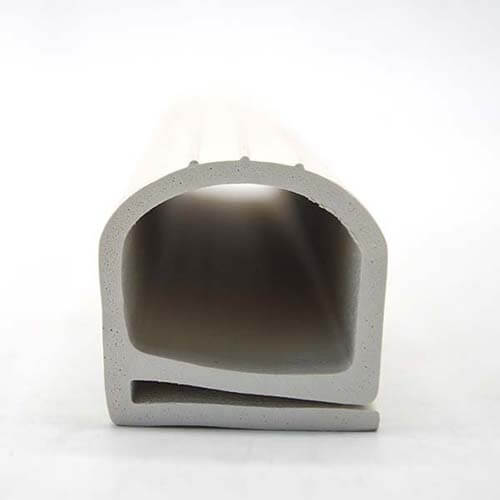
Our extruded rubber E seals help reduce air leakage and moisture entry around cold room and freezer doors. Flexible E-shaped rubber profiles provide sealing contact between doors and frames. Custom sizes, rubber materials, and lengths are available to suit new equipment and replacement needs.
Key Features Include:
- E-shaped profile with multiple sealing lips
- Flexible contact for reduced air leakage
- Material options for low-temperature use
- Custom profile dimensions and lengths
- Suitable for new doors and seal replacements
Extruded Rubber E Seals Specifications
- Material: EPDM rubber
- Color: red, any other colour is available
- Hardness (Shore A): 70 ±5 as standard or per request
- Specific gravity:1.2 to 1.35 g/cm3
- Tensile strength: 10MPA
- Temperature Range: -40 °F – 248 °F (-40°C – 120°C)
- Tolerance:RMA Standard Cross-sectional Tolerance E2,orper request

Material Options for Refrigeration Door E Seals
Our E-shaped refrigeration door seals are made from EPDM rubber, offering good resistance to weathering, ozone, and moisture. Suitable EPDM compounds retain flexibility at low temperatures, helping maintain sealing contact around cold room and freezer doors. Custom dimensions, hardness, and lengths are available to match different door designs.
Performance Checks Before Production Approval
Low-Temperature Flexibility
Evaluate finished profiles at the intended operating temperature. Room-temperature softness does not establish whether sealing lips will remain flexible inside freezer environments.
Compression Recovery
Check whether the lips maintain contact after prolonged closure and repeated opening. Permanent flattening can reduce their ability to follow changes in the door gap.
Installation and Joint Integrity
Confirm that profiles remain securely retained without stretching during fitting. Inspect corners and joints for distortion, separation, and interrupted contact.
Cleaning Compatibility
Review the actual detergents and disinfectants used onsite, including concentration and application temperature. Compatibility with water alone does not establish resistance to cleaning chemicals.
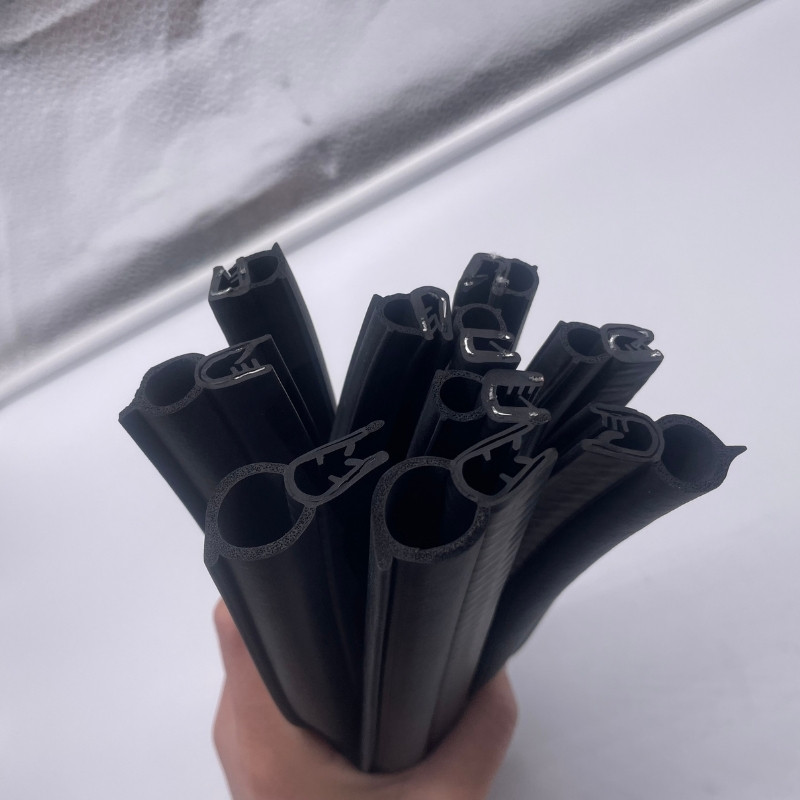

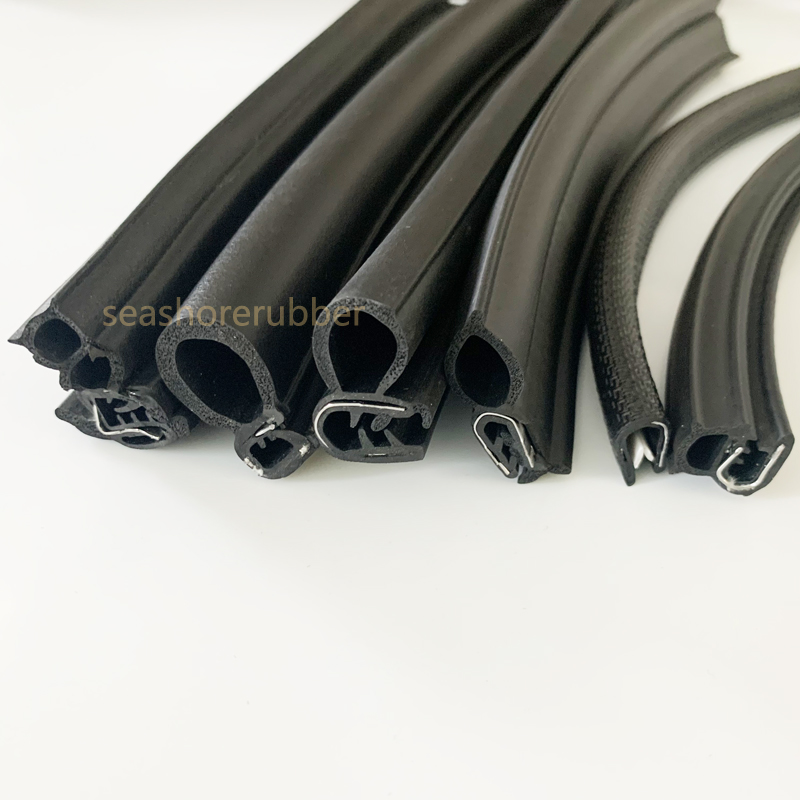
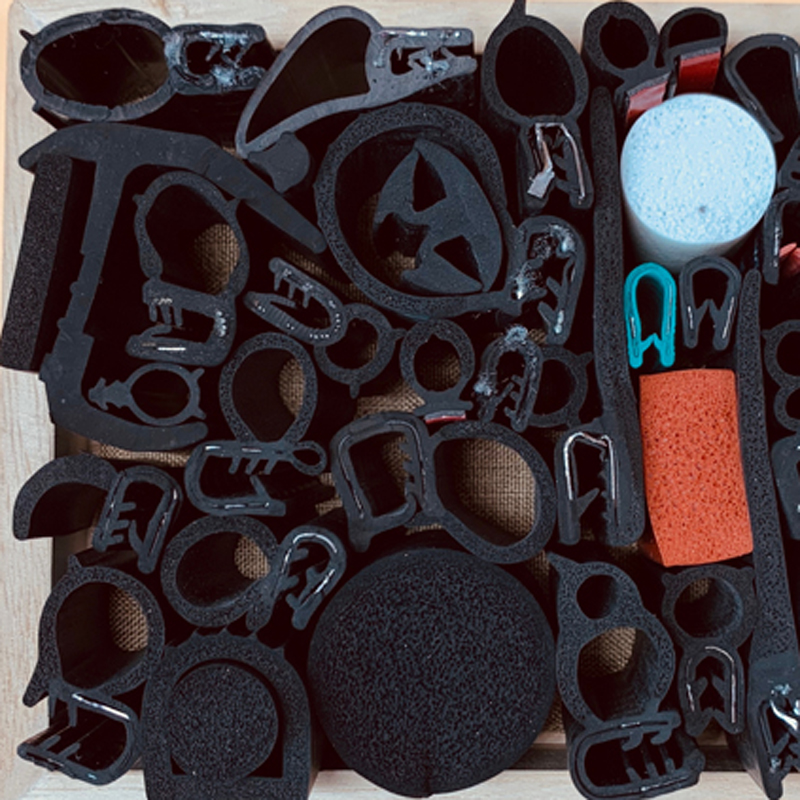
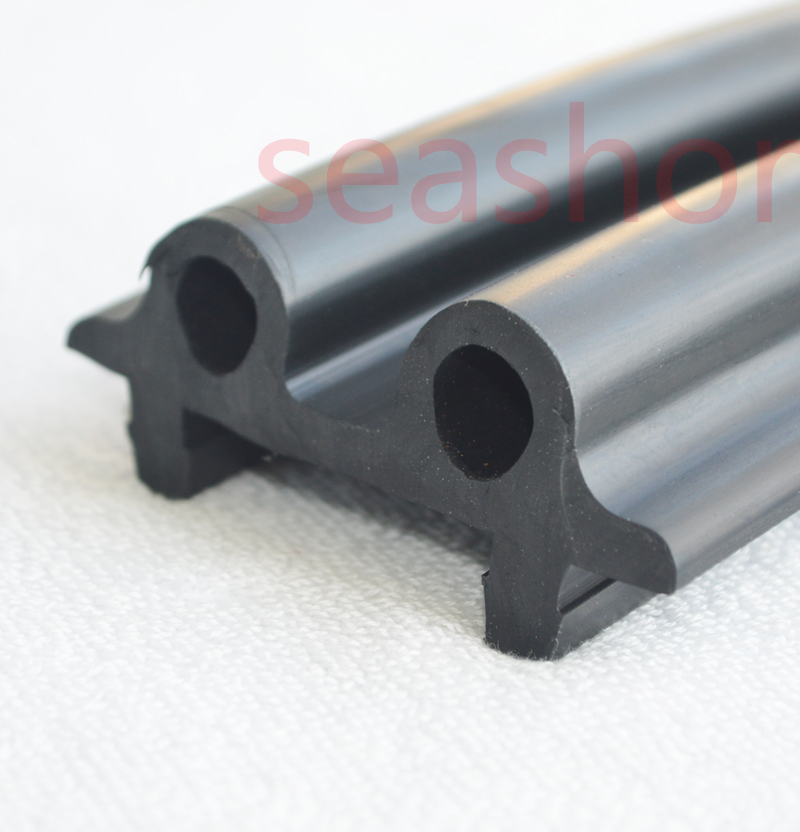 rubber gate seal
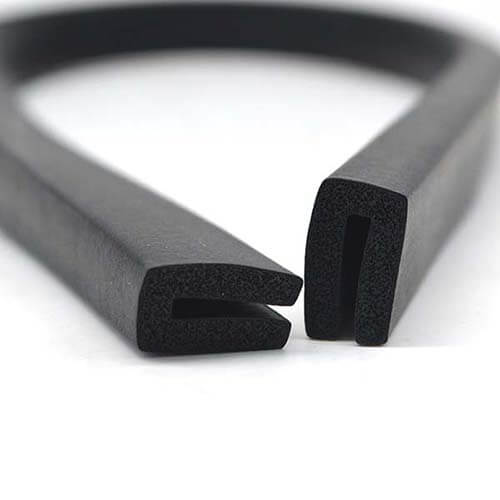 U Type Sponge Rubber (3)
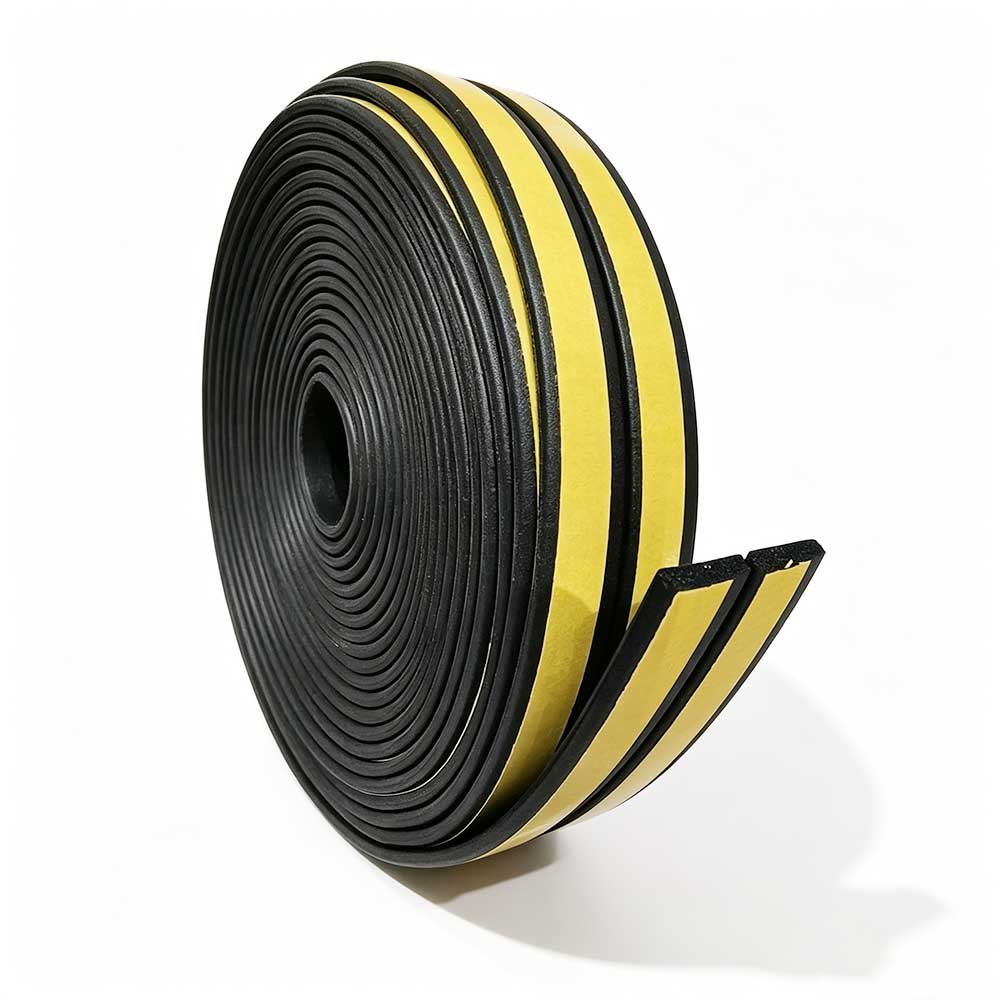
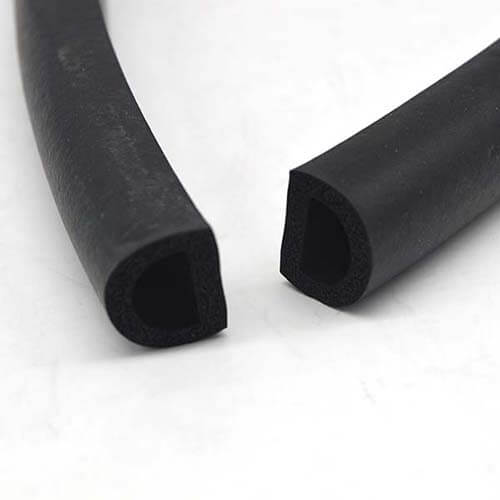 D Type EPDM Sponge Strip Seal (3)


 D Shape Fender EPDM Rubber (1)
 Extruded rubber D shape fender for marine (4)