Custom Nitrile and Neoprene Rubber Extrusion China Manufacturer
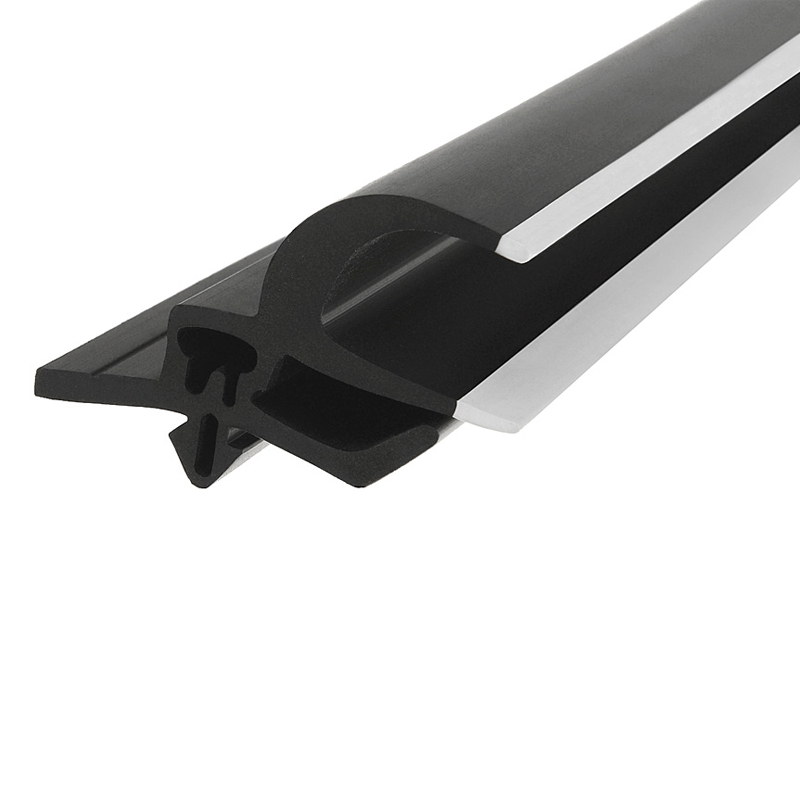
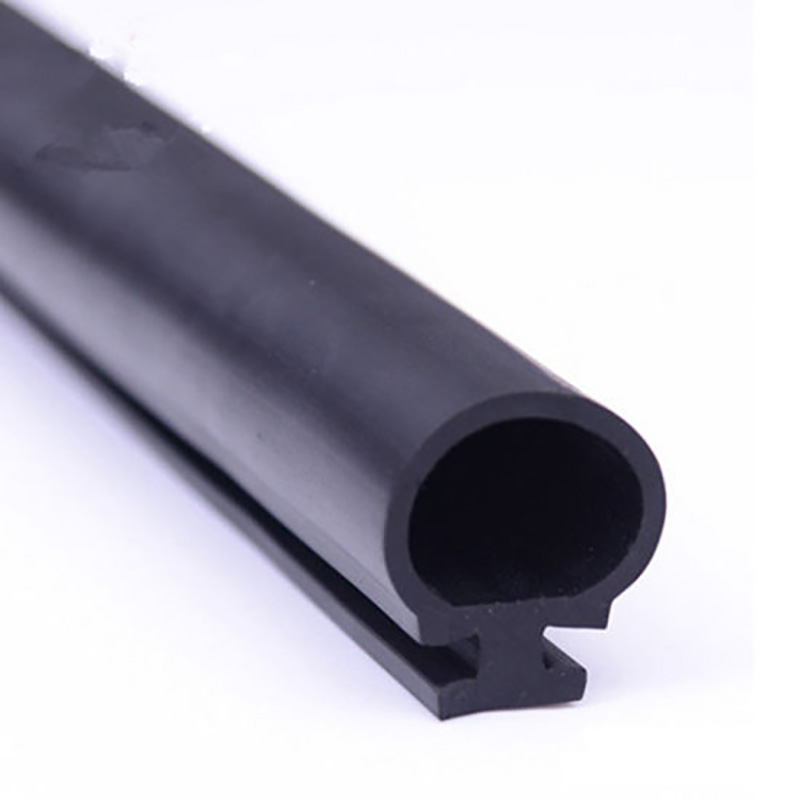
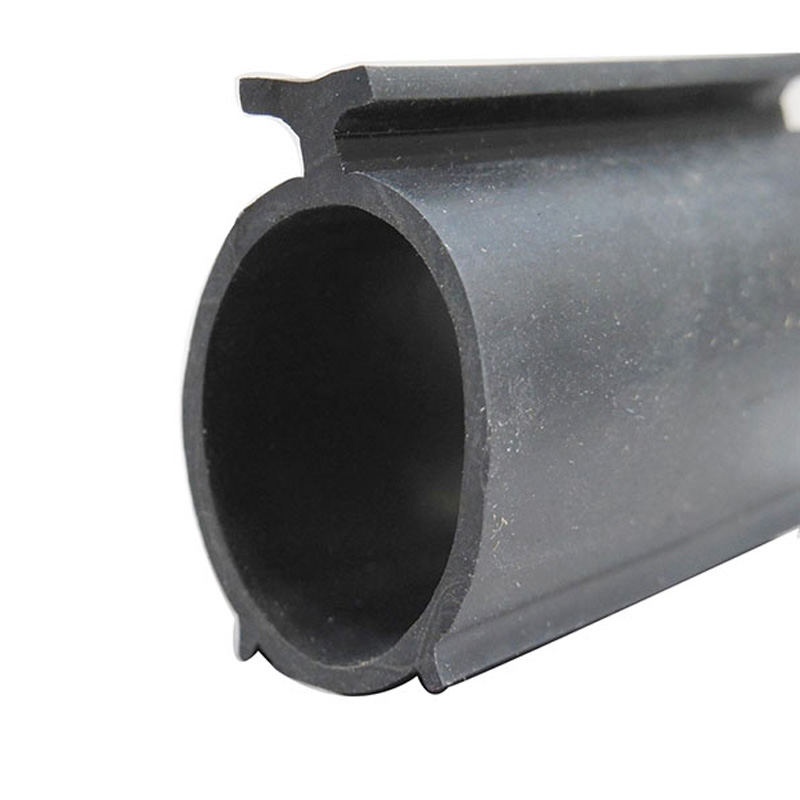
SEASHORE RUBBER provides custom Nitrile rubber and Neoprene rubber extrusion solutions for sealing applications in machinery, automotive, hydraulic systems, and outdoor environments. Our rubber seals include U, D, and P shapes, manufactured with NBR, Neoprene, and other rubber compounds based on performance requirements. We support OEM production using drawings or samples to ensure precise fit and consistent quality. Each seal delivers stable sealing performance, long service life, and reliable dimensional accuracy in diverse applications.
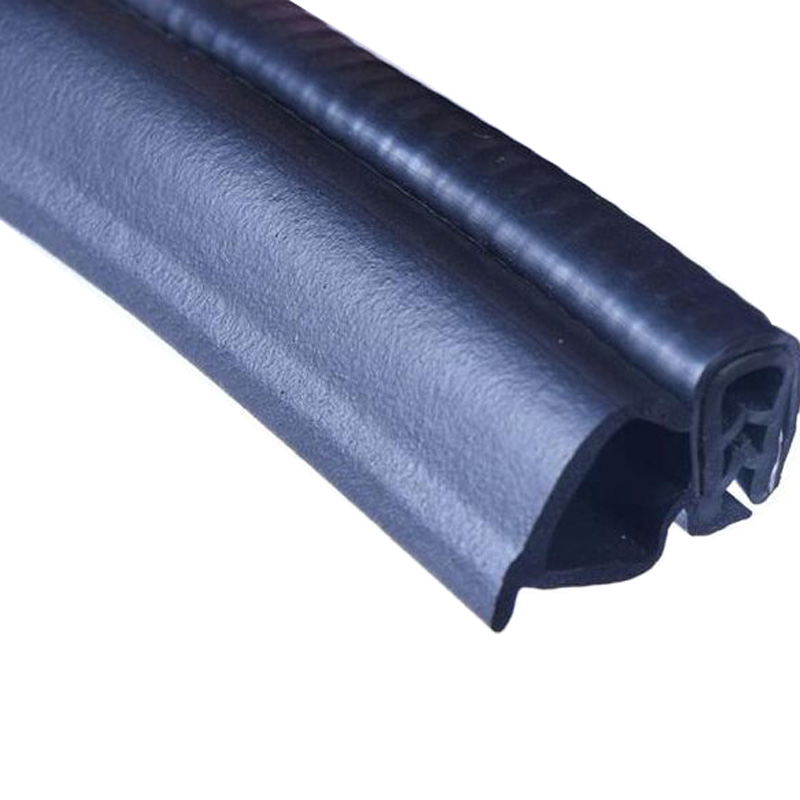
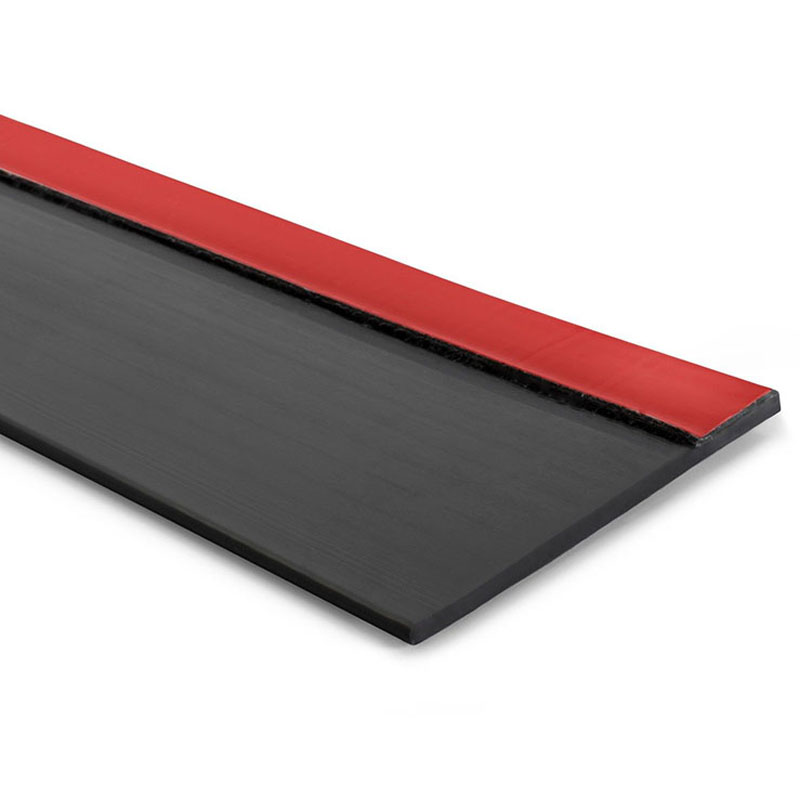
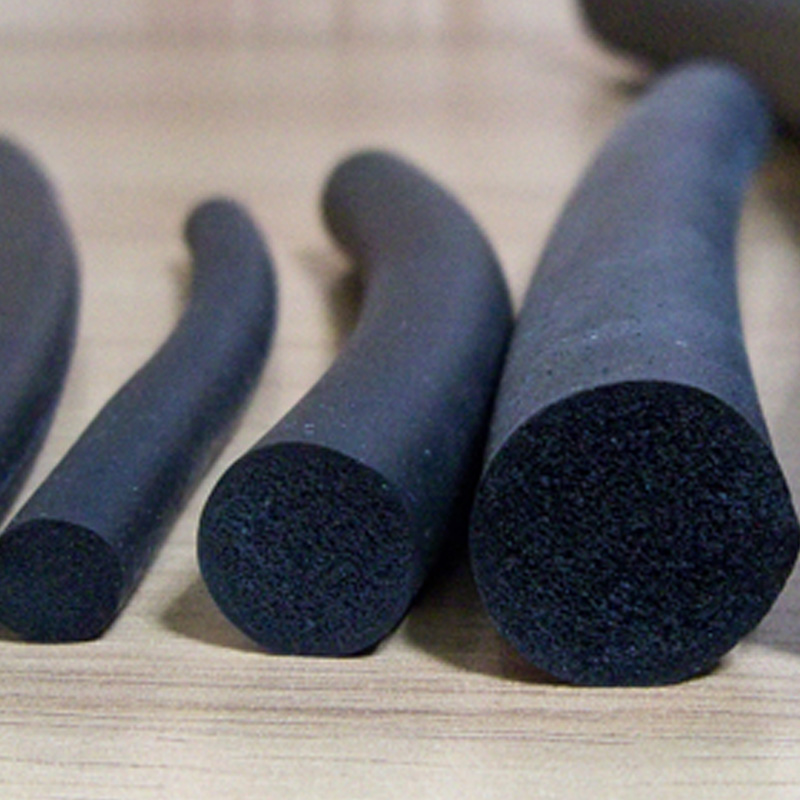
Nitrile Rubber Seals: The Industry Standard for Oil Resistance
Nitrile rubber, also known as Buna-N or NBR (Nitrile Butadiene Rubber), is the workhorse of the fluid power and automotive industries. If your application involves contact with hydrocarbons, Nitrile is almost always the preferred choice.
Key Advantages of Nitrile
- Superior Petroleum Resistance: It maintains its structural integrity when exposed to diesel, gasoline, petroleum-based hydraulic fluids, and lubricating oils.
- Abrasion Resistance: It is highly resistant to wear and tear, making it ideal for dynamic applications like O-rings in hydraulic cylinders or rotating seals.
- Compression Set Resistance: It has excellent “memory,” allowing it to return to its original shape after being compressed for long periods, ensuring a reliable seal.
Ideal Applications
- Fuel Systems: Hoses, diaphragms, and gaskets for fuel handling.
- Hydraulics: Seals for cylinders, pumps, and valves where oil-based fluids are present.
- Automotive: O-rings and gaskets exposed to engine oil and lubricants.
Neoprene Rubber Seals: The Versatile All-Rounder
Neoprene (polychloroprene) is a versatile, general-purpose elastomer. It is often described as the “jack of all trades” because it offers a balanced profile of physical toughness and chemical resistance, particularly when exposed to the elements.
Key Advantages of Neoprene
Weathering Stability: Unlike Nitrile, Neoprene stands up to sunlight (UV rays), ozone, and oxidation. It won’t crack or brittle when used in outdoor environments.
Flame Retardancy: Neoprene possesses inherent fire-resistance properties, making it safer for use in enclosed industrial spaces or near potential heat sources.
Vibration Damping: Due to its excellent mechanical properties, it is frequently used to reduce noise and vibrations in heavy machinery.
Ideal Applications
Outdoor Equipment: Seals for HVAC units, electrical enclosures, and exterior structural joints.
Mass Transit: Door and window seals where flame, smoke, and toxicity (FST) compliance is required.
Vibration Isolation: Mounts and shock absorbers for industrial machinery.
Quick Comparison Table
| Property | Nitrile Rubber (NBR) | Neoprene Rubber (CR) |
| Primary Strength | Oil and Fuel Resistance | Weathering & Outdoor Stability |
| Oil Resistance | Excellent | Moderate |
| Ozone/UV Resistance | Poor | Excellent |
| Flame Resistance | Poor | Very Good |
| Typical Usage | Indoor / Fuel & Oil Systems | Outdoor / General Purpose |
| Best For | Hydraulic fluids, fuel, grease | Sunlight, ozone, vibration damping |
How to Choose: 4 Questions to Determine Your Material
To decide which material will perform best in your specific application, ask these four technical questions:
1. What will the seal be in contact with?
If your seal will be constantly submerged or splashed with oils, fuels, or petroleum-based solvents, Nitrile is your best choice. If it is touching water, mild chemicals, or general atmospheric gases, Neoprene offers better versatility.
2. Is the application indoor or outdoor?
For any application exposed to direct sunlight, ozone, or fluctuating weather conditions, use Neoprene. Nitrile will rapidly degrade, crack, and fail if left outdoors.
3. Does the system involve fire risks or electrical enclosures?
Neoprene’s flame-resistant properties and good electrical insulating characteristics make it the safer, standard choice for cabinets, housing, and general facility equipment.
4. Is the motion dynamic or static?
If you need a seal that experiences high friction (like a rotating shaft or a sliding piston), Nitrile’s high abrasion resistance makes it the superior candidate for longevity.
The Risk of Wrong Selection
Selecting the wrong elastomer can lead to “chemical degradation.” For example, using a Nitrile seal on an outdoor rooftop HVAC unit will lead to rapid ozone cracking, resulting in a failed seal within months. Conversely, using a Neoprene seal in a constant, high-pressure oil-based hydraulic system will cause the rubber to swell, soften, and eventually disintegrate.
Need Expert Guidance for Your Custom Rubber Seals?
Choosing the right rubber material is essential for reliable sealing performance and service life. Nitrile rubber is commonly used in oil, fuel, and hydraulic applications due to its strong resistance to petroleum-based fluids. Neoprene is preferred for outdoor and exposed environments, offering good resistance to UV, ozone, and weathering. At SEASHORE RUBBER, we provide material selection support and custom extrusion solutions based on your application requirements. Contact us to discuss your project and request a quotation.


