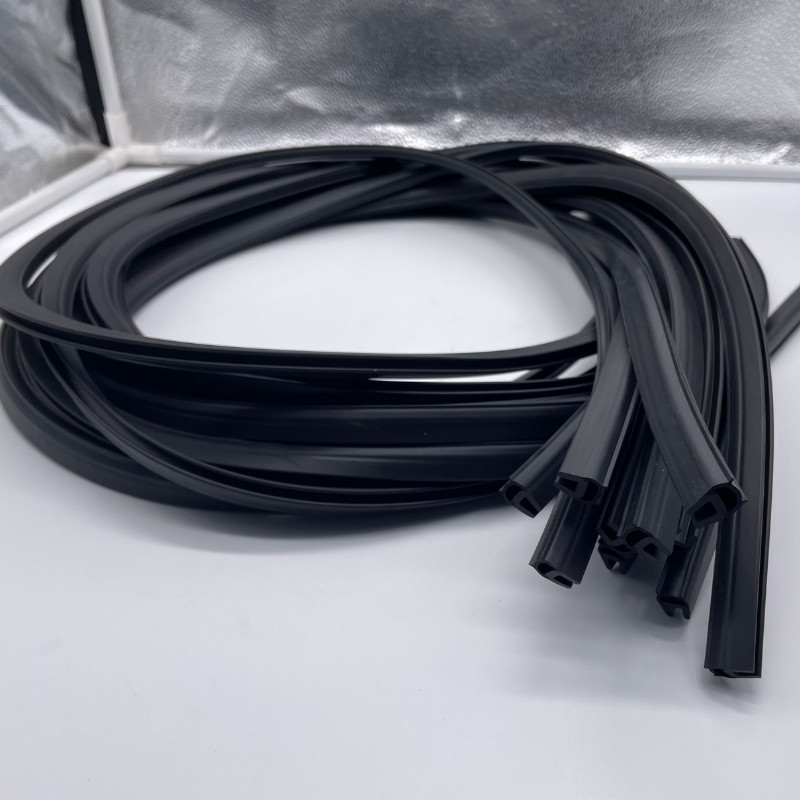
Rubber Seal Failures and How to Prevent Them

Common Rubber Seal Failures and How to Prevent Them

rubber seals

Rubber seal failures often happen because of material issues, temperature changes, or mistakes during installation. Prevention starts with choosing the right seal and following best practices.

  • Make a checklist for regular inspections.
  • Replace worn seals before leaks start.
  • Ask experts for advice when needed.

Rubber Seal Failure Causes

Material Incompatibility

Material incompatibility stands as one of the most common failure causes in rubber oil seals. When the wrong material is chosen for a specific application, the seal may not perform as expected. For example, using a seal made from a material that cannot handle certain fluids or pressures can lead to swelling, cracking, or even complete breakdown. This problem often appears in machinery that operates under different conditions or uses various chemicals.

Selecting quality materials is essential to prevent hydraulic seal failure. Engineers must match the seal material to the fluid, pressure, and temperature requirements of the machinery. High-quality material can resist wear and last longer, reducing the risk of rubber seal failures. Always check the manufacturer’s recommendations before choosing a seal for your machinery.

Tip: Review the machinery’s operating environment before selecting rubber oil seals. This step helps avoid costly hydraulic seal failure.

Chemical Exposure

Chemical exposure is another leading cause of hydraulic seal failure. Many types of machinery use fluids that can react with rubber oil seals. If the seal material is not compatible with these chemicals, it may swell, soften, or lose its shape. This can cause leaks and damage to other parts of the machinery.

Common failure causes include exposure to oils, solvents, or cleaning agents that break down the rubber. Chemical swell is a frequent issue in both static and dynamic applications. To prevent this, always choose rubber oil seals that match the chemicals used in your machinery. Regular inspection can help spot early signs of chemical attack.

  • Signs of chemical exposure in rubber oil seals:
    • Swelling or softening
    • Cracks or blisters
    • Loss of elasticity

Temperature Extremes

Temperature extremes can quickly lead to rubber seal failures. Machinery often operates in environments with high or low temperatures. If rubber oil seals are not designed for these conditions, they may harden, crack, or lose flexibility. High fluid temperature can speed up aging and cause the seal to fail sooner.

Hydraulic seal failure often results from using seals that cannot handle the machinery’s temperature range. Always check the temperature ratings before installation. Using the right seal for the temperature conditions helps prevent leaks and extends the life of the machinery.

Note: Sudden changes in temperature can also damage rubber oil seals. Allow machinery to warm up or cool down gradually when possible.

Compression Set

Compression set is a common failure cause in rubber oil seals. This problem happens when a seal stays compressed for a long time and does not return to its original shape. Over time, the seal loses its ability to block fluids, leading to leaks and hydraulic seal failure.

Compression set often results from poor seal design, incorrect installation, or using the wrong material. The seal manufacturing process also plays a role. If the process does not produce seals with the right properties, they may fail early in machinery.

To prevent compression set:

  1. Use rubber oil seals made for your machinery’s pressure and temperature.
  2. Follow proper installation steps.
  3. Inspect seals regularly for signs of flattening or hardening.

Rubber oil seals are critical for machinery performance. Understanding these common failure causes helps prevent hydraulic seal failure and keeps machinery running smoothly.

Installation Errors


Common Mistakes

Improper installation often leads to rubber seal failures. Many technicians overlook the importance of handling seals with care. Scratches, nicks, or tears can occur when tools are used incorrectly or when seals are forced into place. Neglecting installation instructions is a frequent issue. Some workers skip steps or use the wrong lubricant, which can damage the seal and cause leaks. Another mistake involves failing to check the alignment of the seal. If the seal is not seated properly, it may not perform as expected.

Common mistakes to avoid include using excessive force, ignoring cleanliness, and rushing the process. Dirt or debris can get trapped under the seal, leading to premature failure. Sometimes, seals are installed without checking for dimensional accuracy, which can result in gaps or uneven compression. These errors can cause start-up issues and reduce the lifespan of the machinery.

Tip: Always inspect the seal and the installation area before beginning. Clean surfaces help prevent damage and ensure a tight fit.

Prevention Tips

Following proper installation guidelines is essential for reliable performance. Start by reading the manufacturer’s instructions carefully. Use the recommended tools and lubricants. Handle the seal gently to avoid stretching or tearing. Make sure the installation area is clean and free of debris. Align the seal correctly and apply even pressure during installation.

Regular training helps technicians stay updated on best practices. Supervisors should encourage careful work and double-check each installation. Keeping a checklist can help prevent mistakes and ensure every step is followed. When in doubt, consult an expert or refer to technical manuals.

A well-installed seal protects machinery from leaks and extends its service life. Proper installation reduces the risk of start-up issues and helps avoid costly repairs.

Environmental and Operational Factors

Aging and Wear

Rubber seals face aging and wear during regular operation. Over time, exposure to sunlight, ozone, and air can cause the seal to lose flexibility. This process is called material degradation. As the seal ages, small cracks may appear. These cracks can lead to leaks and reduce the seal’s effectiveness. Regular inspection helps spot early signs of wear. Replacing old seals before they fail prevents unexpected breakdowns.

Tip: Store spare seals in a cool, dry place to slow down aging.

Mishandling and Damage

Improper handling can cause serious damage to a seal. Dropping, bending, or stretching the seal too much can weaken its structure. Even a small nick or scratch can lead to leaks. Mishandling often happens during installation or maintenance. Workers should use the right tools and avoid sharp objects near the seal. Training helps reduce the risk of damage.

  • Common causes of damage:
    • Using sharp tools
    • Forcing the seal into place
    • Not following handling guidelines

Fluid and Chemical Compatibility

Choosing the right seal for the fluid in use is important. Some fluids can react with the seal material and cause it to swell or break down. Overlooking environmental factors, such as exposure to harsh chemicals, can lead to early failure. Always check the compatibility chart before selecting a seal. This step helps prevent leaks and extends the life of the equipment.

Note: Regular checks for chemical exposure help avoid unexpected seal problems.

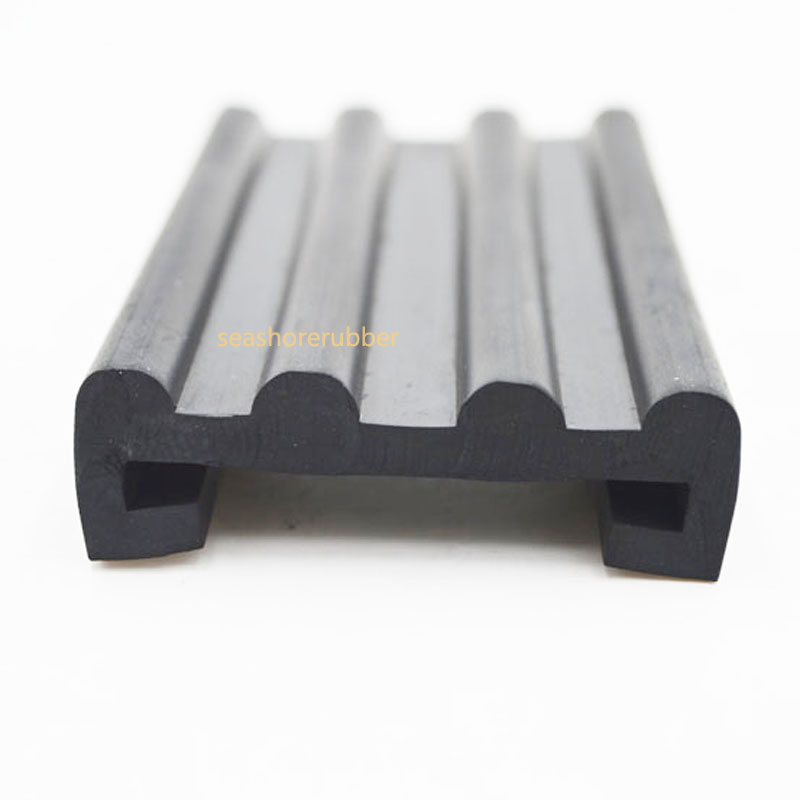
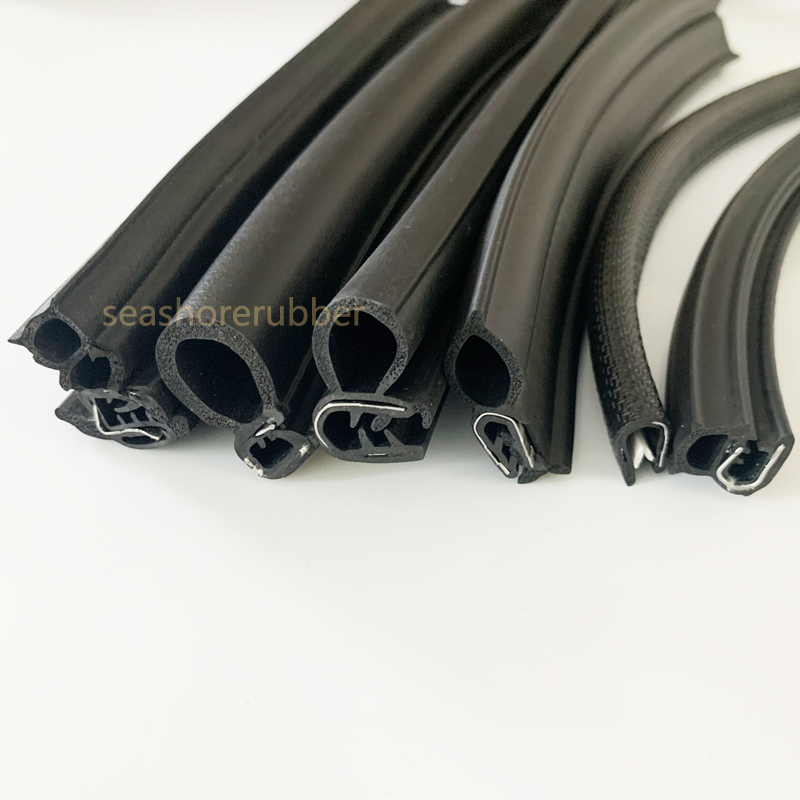
rubber sealing profiles

Design and Dimensional Issues


Improper Seal Design

Improper design can cause a seal to fail before it reaches its expected lifespan. When engineers do not consider the specific needs of an application, the seal may not fit or function as intended. For example, a design that ignores pressure changes or movement can lead to leaks. Some seals are made for static use, while others must handle constant motion. Using the wrong type can result in early breakdown.

A good design matches the seal to the equipment’s requirements. This includes the shape, hardness, and flexibility. Engineers should also think about how the seal will react to temperature and chemicals. Well-designed rubber seals protect against leaks and keeps machinery running smoothly.

Tip: Always review the application details before choosing or designing a seal. This step helps prevent costly mistakes.

Tolerance and Fit Problems

Tolerance and fit problems often lead to seal failure. If the seal is too tight, it may wear out quickly. If it is too loose, it cannot block fluids or gases. Even small errors in size can cause big problems. Manufacturing processes must keep tight control over dimensions to ensure a proper fit.

A table can help show common issues:

Problem Result
Too tight Excessive wear
Too loose Leakage
Uneven compression Seal distortion

Regular checks during installation help catch fit problems early. Measuring tools can confirm that the seal matches the equipment. When in doubt, consult technical guides or experts.

A proper fit extends the life of the seal and reduces maintenance costs. Paying attention to design and dimensions is key to reliable performance.

Maintenance and Inspection

Regular Checks

Regular maintenance checks help keep equipment running smoothly. These checks allow workers to find small problems before they become big failures. A simple inspection can reveal cracks, hard spots, or leaks around a seal. Technicians should look for signs of wear or damage during every maintenance visit. Using a flashlight helps spot hidden issues. Cleaning the area around the seal makes it easier to see problems.

A checklist can guide workers through each step. Here is an example:

Step What to Look For
Visual Inspection Cracks, swelling, leaks
Feel Test Hardness, stickiness
Area Cleanliness Dirt, debris, oil

Skipping regular maintenance can lead to sudden breakdowns. When workers miss these checks, a small leak can turn into a major repair. Regular maintenance checks save time and money in the long run.

Tip: Schedule inspections at set intervals to avoid missing important steps.

Proactive Prevention

Proactive prevention means taking action before a problem starts. Preventative maintenance includes replacing seals before they fail. Workers should follow the manufacturer’s guidelines for replacement times. Keeping records of each maintenance task helps track the condition of every seal.

Training is important for anyone who handles maintenance. Workers learn how to spot early warning signs and use the right tools. Good storage practices also protect seals from damage before installation. Store spare parts in a cool, dry place away from sunlight.

A strong maintenance plan keeps equipment safe and reliable. It reduces downtime and extends the life of every seal. Paying attention to small details makes a big difference.

FAQ

What causes a rubber seal to fail?

Many factors can cause failure. Common reasons include material incompatibility, chemical exposure, temperature extremes, improper installation, and aging. Regular inspection helps prevent unexpected problems.

How can I extend the life of my seal?

Store seals in a cool, dry place. Avoid exposure to sunlight and chemicals. Follow installation instructions and check for damage before use. Replace worn seals promptly.

What signs show a seal needs replacement?

Look for cracks, swelling, leaks, or loss of flexibility. If the seal feels hard or sticky, it may be time to replace it. Regular checks help catch issues early.

Can I use any lubricant during installation?

Always use the lubricant recommended by the manufacturer. Some lubricants can damage rubber or reduce performance. Check compatibility before applying.

How often should seals be inspected?

Create a schedule for regular inspections. Most seals should be checked during routine maintenance. Early detection prevents costly repairs and downtime.

EPDM vs Silicon Rubber Seals

EPDM vs Silicone Rubber Seals: Which One Should You Choose?

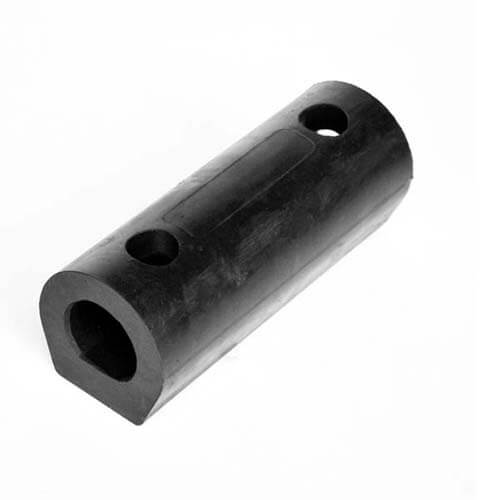
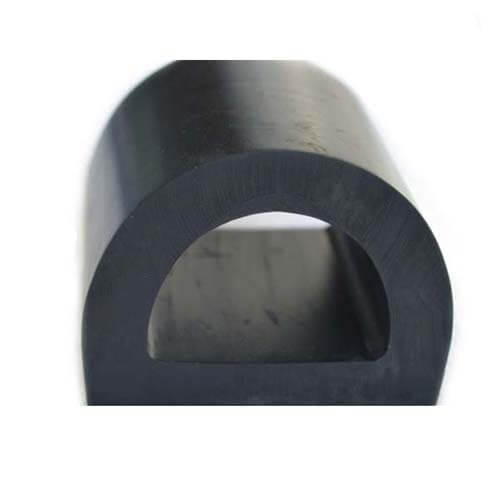
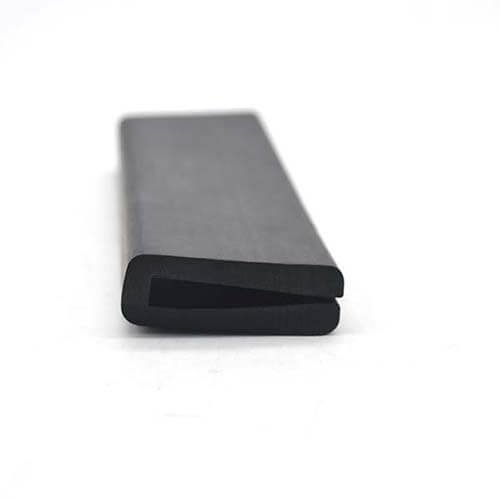
D Shape Fender EPDM Rubber

Both EPDM and silicone rubber seals offer excellent sealing performance, but the right choice depends on your application requirements. EPDM is the preferred option for outdoor environments due to its outstanding weather, UV, ozone, and water resistance, while silicone performs better in extreme temperature conditions and applications requiring flexibility at very high or low temperatures.

Factors such as operating environment, temperature range, chemical exposure, and budget should all be considered when selecting a sealing material. If you are unsure which material is best for your project, working with an experienced rubber seal manufacturer can help you find the most suitable solution.

Silicone vs EPDM Rubber Seals: Quick Comparison

Key Differences

When comparing silicone and EPDM, it helps to look at their main features side by side. Both materials serve as popular choices for seals, but they perform differently in certain conditions. Here is a quick gasket material comparison:

Property EPDM Silicone
Temperature Range -40°F to 250°F -80°F to 450°F
UV/Ozone Resistance Excellent Excellent
Water Resistance Outstanding Good
Chemical Resistance Good (mild acids/alkalis) Excellent (many chemicals)
Flexibility Good Superior
Cost Lower Higher
  • EPDM works well outdoors. It resists sunlight, ozone, and water.
  • Silicone handles extreme temperatures. It stays flexible in both hot and cold environments.
  • In a gasket material comparison, EPDM often costs less than silicone.
  • Silicone offers better chemical resistance, especially with oils and solvents.

When to Use Each

Choosing between silicone and EPDM rubber seals depends on your needs. Here are some guidelines to help you decide:

  • Use EPDM when you need a seal for outdoor use, water systems, or exposure to weather. It works well for window seals, automotive doors, and roofing.
  • Choose silicone for applications with high or low temperatures. It is ideal for food processing, medical devices, and electronics.
  • If you need a gasket material comparison for chemical resistance, silicone is better for harsh chemicals. EPDM handles mild acids and alkalis but not oils.
  • For projects with a tight budget, EPDM is usually the more affordable option.

What is EPDM Rubber?

EPDM rubber is a synthetic elastomer that stands out for its durability and flexibility. The name EPDM comes from its chemical structure: ethylene propylene diene monomer. This elastomer is widely used in industries that need reliable sealing solutions. EPDM rubber is known for its ability to withstand harsh environments. It does not break down easily when exposed to sunlight, ozone, or water.

EPDM Rubber Properties

EPDM rubber has several important properties that make it a popular elastomer for seals and gaskets. Here are some key features:

  • Excellent resistance to UV rays and ozone
  • Outstanding water resistance
  • Good flexibility, even at low temperatures
  • Moderate resistance to mild acids and alkalis
  • Poor resistance to oils and solvents

The table below shows how EPDM rubber compares to other elastomers:

Property EPDM Rubber Natural Rubber Nitrile Rubber
UV Resistance High Low Moderate
Water Resistance High Moderate Low
Flexibility High High Moderate

Common Uses for EPDM

EPDM rubber is used in many products and industries. This elastomer is found in:

  • Automotive weatherstripping and door seals
  • Roofing membranes
  • Window seals
  • Garden hoses
  • Electrical insulation

Manufacturers choose EPDM rubber when they need a seal that lasts outdoors. This elastomer is also used in water systems because it resists moisture. EPDM vs Silicone Rubber Seals is a common comparison for these applications. EPDM rubber offers a cost-effective solution for many sealing needs.

What is Silicone Rubber?

Silicone rubber is a synthetic material known for its flexibility and stability. It stands out because it can handle both very high and very low temperatures. Many industries use this material for seals and gaskets that need to perform in extreme conditions.

Silicone Rubber Properties

Silicone rubber has a unique set of properties. These features make it a top choice for many technical applications.

  • Wide Temperature Range: It stays flexible from -80°F up to 450°F. This means it works well in freezers and ovens.
  • Excellent Flexibility: It does not become brittle in cold weather. It remains soft and elastic even after years of use.
  • Good Chemical Resistance: It resists many chemicals, including oils and solvents. This makes it useful in harsh environments.
  • Non-Toxic and Inert: It does not react with most substances. Many food and medical products use it for this reason.
  • Electrical Insulation: It does not conduct electricity. This property is important for electronic devices.

The table below shows how silicone rubber compares to EPDM:

Property Silicone Rubber EPDM
Temperature Range -80°F to 450°F -40°F to 250°F
Chemical Resistance High Moderate
Flexibility Superior Good

Common Uses for Silicone

Many products rely on silicone rubber for reliable sealing. Here are some common uses:

  • Food processing equipment
  • Medical devices and tubing
  • Oven and freezer door seals
  • Electronics and electrical insulation
  • Aerospace and automotive gaskets

Manufacturers choose this material when they need seals that can handle heat, cold, or chemicals. It is also popular in industries that require clean and non-reactive materials.

Tip: If your project involves extreme temperatures or sensitive environments, silicone rubber is often the best choice.

Physical Properties

Temperature Resistance

Temperature resistance is a key factor when choosing a seal for demanding environments. EPDM performs well in most outdoor and industrial settings. It can handle temperatures from -40°F up to 250°F. This range covers many common applications, including automotive and construction.

Silicone stands out as a high-performance material for extreme temperatures. It remains flexible and stable from -80°F to 450°F. This makes it suitable for both freezers and ovens. Silicone does not lose its shape or crack when exposed to intense heat or deep cold. Many industries rely on silicone for equipment that faces rapid temperature changes.

Flexibility and Compression Set

Flexibility helps a seal maintain its shape and function over time. EPDM provides good flexibility, especially in outdoor conditions. It resists hardening and stays soft even after years of sun and rain. This property helps EPDM seals last longer in weather-exposed areas.

Silicone offers superior flexibility. It does not become brittle in cold or lose elasticity in heat. This material bounces back after being compressed, which means it has a low compression set. Seals made from silicone keep their original shape and sealing ability, even after repeated use.

A quick comparison:

Property EPDM Silicone
Flexibility Good Superior
Compression Set Moderate Low
Cold Resistance Good Excellent

Durability and Tear Strength

Durability measures how well a seal stands up to wear, weather, and chemicals. EPDM is known for its durability in outdoor and water-based environments. It resists UV rays, ozone, and moisture. This makes it a popular choice for roofing, windows, and automotive seals.

Silicone also offers strong durability, especially in harsh chemical or temperature conditions. It resists cracking and remains stable when exposed to oils and solvents. However, EPDM usually has higher tear strength. This means EPDM can handle more physical stress before breaking. Silicone, while flexible, may tear more easily if pulled or cut.

Key points to consider:

  • EPDM provides excellent tensile strength and high tensile strength, making it reliable for heavy-duty seals.
  • Silicone is best for applications that need a seal to survive extreme temperatures and chemical exposure.
  • Both materials offer long service life, but the right choice depends on the specific demands of your project.

U Section EPDM Rubber Edge Seal (1)

Environmental & Chemical Resistance

UV and Ozone Resistance

Both EPDM and silicone rubber seals offer strong protection against UV rays and ozone. These two factors can cause many materials to crack or fade when exposed to outdoor weather. EPDM stands out for its excellent weather resistance. It does not break down quickly under sunlight or in the presence of ozone. This makes EPDM a top choice for seals used in roofing, windows, and automotive parts that face constant weather exposure.

Silicone rubber also provides impressive weather resistance. It keeps its shape and flexibility even after years in direct sunlight. Many industries rely on silicone for outdoor equipment because it resists damage from UV and ozone. When comparing EPDM vs Silicone Rubber Seals, both materials perform well in harsh environmental conditions, but EPDM often lasts longer in wet or humid weather.

Chemical Compatibility

Chemical resistance is another key factor when choosing a seal. EPDM provides good chemical resistance to mild acids and alkalis. It works well in water systems and outdoor settings where exposure to chemicals is limited. However, EPDM does not perform well with oils or solvents.

Silicone rubber offers a higher level of chemical resistance. It stands up to many chemicals, including oils, solvents, and some acids. This makes silicone a better option for industries that use cleaning agents or face frequent chemical spills. Both materials show strong resistance to chemicals, but silicone covers a wider range.

  • EPDM: Best for water, mild acids, and alkalis.
  • Silicone: Best for oils, solvents, and harsh chemicals.

When selecting between EPDM and silicone, always check the specific chemicals the seal will face. The right choice ensures safety and extends the life of your equipment.

Cost and Sustainability

Price Comparison

Price plays a big role when choosing seal materials. EPDM is usually less expensive than silicone. Many automotive manufacturers select EPDM for door seals and weatherstripping because it helps reduce costs. Construction projects often use EPDM for roofing and window seals. Silicone costs more due to its ability to handle extreme temperatures and chemicals. In automotive applications, silicone is used for parts that need to withstand heat, such as engine gaskets. The table below shows a basic price comparison:

Material Typical Cost Common Uses
EPDM Lower Automotive, construction
Silicone Higher Automotive, medical, food

Lifespan and Maintenance

Both EPDM and silicone seals last a long time. EPDM works well outdoors and resists weather damage. Automotive seals made from EPDM can last for years without cracking. Construction sites rely on EPDM for durability in roofing and windows. Silicone seals last even longer in harsh environments. Automotive parts that face high heat or chemicals often use silicone for extended performance. Maintenance needs are low for both materials. EPDM may require replacement sooner if exposed to oils. Silicone keeps its shape and flexibility, reducing the need for frequent maintenance.

  • EPDM: Long-lasting in outdoor and water applications
  • Silicone: Superior lifespan in extreme heat and chemical exposure

Environmental Impact

Sustainability matters in modern manufacturing. EPDM is recyclable and often used in eco-friendly construction. Automotive companies recycle EPDM from old vehicles. Silicone is also recyclable, but the process is more complex. Both materials resist degradation, which reduces waste. EPDM production uses fewer resources, making it a greener choice for construction and automotive industries. Silicone’s durability means fewer replacements, which helps lower environmental impact over time.

Choosing the Right Seal

Application-Based Recommendations

Selecting the right material depends on where and how you plan to use it. For outdoor applications, EPDM works well because it resists sunlight, rain, and temperature changes. This makes it a strong choice for window seals, roofing, and garden hoses. Silicone is better for places with extreme heat or cold. It stays flexible in freezers and ovens. Many food and medical products use silicone because it does not react with most substances. For outdoor applications that need to handle water and weather, EPDM is often the best option.

Key Factors to Consider

When choosing a seal, look at these important factors:

  1. Temperature Range: If your project faces very high or low temperatures, silicone is a safe bet. EPDM covers most normal outdoor conditions.
  2. Chemical Exposure: For projects with oils, solvents, or strong cleaning agents, silicone offers better protection.
  3. Environment: EPDM stands up to sunlight, ozone, and water. This makes it reliable for long-term outdoor use.
  4. Budget: EPDM usually costs less. If you need many seals for a large project, this can save money.
  5. Lifespan: Both materials last a long time, but silicone may last longer in harsh chemical or temperature environments.

FAQ

What is the main difference between EPDM and silicone rubber seals?

EPDM works best outdoors and in water. Silicone handles extreme temperatures and chemicals. Each material has unique strengths for different sealing needs.

Can EPDM or silicone rubber seals be used with oils?

EPDM does not resist oils well. Silicone rubber offers better protection against oils and solvents. For oil exposure, silicone is the safer choice.

Are EPDM and silicone rubber seals safe for food or medical use?

Silicone rubber is often used in food and medical products because it is non-toxic and inert. EPDM is not usually chosen for these applications.

Which seal lasts longer outdoors?

EPDM seals last a long time in outdoor conditions. They resist sunlight, rain, and ozone. Silicone also performs well but is usually chosen for temperature extremes.

How do I choose between EPDM and silicone rubber seals?

  • List your project’s needs.
  • Check temperature, chemical exposure, and budget.
  • Match the material to your main challenge.
  • EPDM fits most outdoor uses. Silicone suits high heat or chemical resistance.
Automotive Rubber Seals Types, Uses and Selection Guide

Automotive Rubber Seals: Types, Uses and Selection Guide

Extruded NBR rubber extrusion for car bus truck tank sealing

Automotive rubber seals are essential components that protect vehicles from water, dust, noise, vibration, and other environmental factors. Found in doors, windows, trunks, engine compartments, and various sealing systems, they help improve vehicle safety, comfort, and overall performance. Selecting the right automotive rubber seal requires careful consideration of factors such as material type, durability, chemical resistance, and operating conditions. In this guide, we’ll explore the different types of automotive rubber seals, their uses, key material considerations, and how to choose the best sealing solution for your needs.

What Are Automotive Rubber Seals

Definition and Function

Automotive rubber seals are flexible components made from various rubber materials. They fill gaps between different parts of a vehicle. These seals create barriers that block water, dust, and air from entering sensitive areas. Each seal has a specific shape and size to match its location. Some common types include door seals, window seals, and trunk seals. Other types, such as gasket seals and O-rings, help prevent leaks in engines and other systems. Weatherstripping is another type that protects against harsh weather conditions. Specialized types serve unique roles in certain vehicles.

Importance in Vehicles

Rubber seals play a vital role in the automotive industry. They protect important systems from damage caused by moisture, dirt, and noise. Without these seals, vehicles would face more wear and tear. Different types of seals work together to keep the interior dry and quiet. For example, door and window seals stop rain and wind from entering the cabin. Gasket seals and O-rings prevent oil and coolant leaks in the engine. Weatherstripping keeps out extreme temperatures. Specialized types offer extra protection in high-stress areas.

A table below shows some common types and their main uses:

Type Main Use
Door Seals Block water and noise
Window Seals Prevent drafts and leaks
Trunk Seals Keep trunk dry and clean
Gasket Seals Seal engine and transmission
O-Rings Prevent fluid leaks
Weatherstripping Protect against weather

Automotive rubber seals help extend the life of vehicles. They also make driving safer and more comfortable.

Types of Automotive Rubber Seals


Automotive rubber seals come in many types. Each type serves a unique purpose in vehicles. Understanding these types helps users choose the right seal for their needs.

Door Seals

Door seals protect the cabin from water, dust, and noise. These seals fit around the edges of doors. They keep the interior dry and quiet. Door seals also help maintain temperature inside the vehicle.

Window Seals

Window seals prevent drafts and leaks. They sit between the glass and the frame. These seals stop rain and wind from entering. Window seals also reduce rattling and vibration.

Trunk Seals

Trunk seals keep the trunk dry and clean. They block water and dust from entering. These seals protect luggage and other items stored in the trunk. Trunk seals also help prevent rust.

Engine Seals

Engine seals protect engine parts from leaks. They keep oil, coolant, and other fluids inside. These seals help maintain engine performance. Engine seals also reduce the risk of damage from contaminants.

Gasket Seals

Gasket seals fill gaps between metal surfaces. They prevent leaks in engines and transmissions. These seals come in many rubber gasket types. Rubber gaskets resist heat and chemicals. Gasket seals are vital for keeping fluids contained.

O-Rings

O-rings are small, round seals. They fit into grooves and block fluid leaks. O-rings are a common rubber gasket type. These seals work in fuel systems, brakes, and air conditioning.

Weatherstripping

Weatherstripping seals protect against harsh weather. They block rain, snow, and wind. These seals improve comfort and safety. Weatherstripping also helps reduce energy loss.

Specialized Seals

Specialized seals serve unique roles. Some seals protect electrical systems. Others work in high-pressure areas. Specialized seals use different rubber gasket types for specific needs.

A table below shows the main types and their uses:

Type Purpose
Door Seals Block water, dust, noise
Window Seals Prevent drafts, leaks
Trunk Seals Keep trunk dry, clean
Engine Seals Protect engine from leaks
Gasket Seals Seal metal surfaces
O-Rings Block fluid leaks
Weatherstripping Protect against weather
Specialized Seals Serve unique functions

Common Rubber Materials in Automotive Seals

Automotive rubber seals use different materials to meet the demands of vehicles. Each type of rubber seal material offers unique properties. The right choice depends on the application, environment, and required durability.

Nitrile Rubber (NBR)

Nitrile rubber, also called NBR, is popular for sealing oils and fuels. It resists oil, gasoline, and other chemicals. NBR works well in engines and fuel systems. It has good abrasion resistance and a low compression set. This means it keeps its shape under pressure. NBR is not the best choice for extreme temperatures, but it performs well in many automotive uses.

EPDM Rubber

EPDM rubber is a common material for weatherstripping and seals exposed to sunlight. It resists ozone, UV rays, and water. EPDM handles temperature changes and stays flexible in cold or hot weather. This material is often used for door, window, and trunk seals. EPDM also provides good durability and temperature resistance. It does not break down easily, even after years of use.

Silicone Rubber

Silicone rubber stands out for its high temperature resistance. It stays flexible in both hot and cold conditions. Silicone seals are often used in areas that face extreme temperatures. This material also resists aging and weathering. Silicone is safe for use near food and medical parts, but in cars, it is valued for its stability and long life.

Viton Rubber

Viton is a high-performance rubber. It resists chemicals, oils, and high temperatures. Viton seals are used in engines and fuel systems where other materials might fail. This rubber keeps its shape and strength even in harsh environments. It is more expensive, but it offers excellent durability.

Other Materials

Other types of rubber seal material include neoprene, natural rubber, and polyurethane. Neoprene resists oil, weather, and aging. Natural rubber is flexible but less resistant to chemicals. Polyurethane offers toughness and abrasion resistance. Each material has its own strengths for different automotive needs.

Material Key Properties Common Uses
NBR Oil resistance, low compression set Engine, fuel seals
EPDM Weather, UV, temperature resistance Door, window, trunk
Silicone Extreme temperature resistance, flexibility High-heat areas
Viton Chemical, oil, temperature resistance Engine, fuel systems
Neoprene Oil, weather resistance Gaskets, hoses

Uses and Applications of Automotive Rubber Seals

EPDM rubber coextrusion seal strip for cars

Preventing Leaks

Automotive rubber seals play a crucial role in stopping leaks. These seals create a watertight seal between parts. Rubber gaskets are often used in engines and transmissions. They help keep oil, coolant, and other fluids inside. O-rings and gaskets also work in fuel systems. Seals must withstand a high-pressure environment to ensure maximum performance. A watertight seal protects sensitive components and prevents costly repairs.

Dust and Moisture Protection

Rubber seals protect vehicles from dust and moisture. Door and window seals block dirt and water from entering the cabin. Rubber gaskets are used in electrical systems to keep moisture away. These types of seals help maintain a clean interior and prevent corrosion. Weatherstripping is another type that shields against rain and snow. The range of applications includes protecting both mechanical and electronic parts.

  • Door seals
  • Window seals
  • Electrical gaskets

Noise and Vibration Reduction

Seals reduce noise and vibration inside vehicles. Rubber gaskets absorb shocks and dampen sounds. Door and trunk seals prevent rattling and wind noise. These types of seals improve comfort for drivers and passengers. O-rings in suspension systems help minimize vibration. The range of applications covers many areas where noise control is needed.

Seal Type Application Area Benefit
Door seals Cabin Reduce noise
Rubber gaskets Engine, suspension Absorb vibration
Trunk seals Storage area Prevent rattling

Safety and Comfort

Rubber seals contribute to safety and comfort. They keep harmful fumes and fluids out of the cabin. Seals also help maintain proper temperature inside the vehicle. Rubber gaskets in braking systems ensure reliable operation. These types of seals support maximum performance and protect passengers. Automotive rubber seals are essential for safe and comfortable driving.

How to Select the Right Rubber Seal

Choosing the right rubber seal is important for every vehicle. The correct choice helps prevent leaks, reduce noise, and protect against dust and moisture. This section explains how to match the seal type and material to your specific automotive needs.

Assessing Application Requirements

Start by understanding where the seal will be used. Each area of a vehicle has different needs. For example, door seals must block water and noise, while engine seals must handle high temperatures and pressure tolerance. Make a list of all the applications that need seals. Think about the environment, such as exposure to oil, fuel, or weather. Some applications require a watertight seal, while others need to resist vibration or chemicals.

Material Properties and Durability

The material selection guide is a key tool for finding the right rubber seal. Different materials offer unique benefits. EPDM works well for weatherstripping because it resists sunlight and water. NBR is good for fuel and oil systems. Silicone handles extreme temperatures. Viton is best for chemical compatibility and high pressure tolerance. Always check the durability of the material. A durable seal lasts longer and reduces maintenance.

Material Best For Durability Level
EPDM Weather, UV, water High
NBR Oil, fuel Medium
Silicone Heat, cold High
Viton Chemicals, pressure Very High

A material selection guide helps compare these options. Choose the material that matches your application and expected lifespan.

Chemical Compatibility

Chemical compatibility is a major factor in selecting the right rubber seal. Some seals must resist oils, fuels, or coolants. Others face cleaning agents or road salts. If the seal material does not match the chemicals it will contact, it may fail early. Check the chemical compatibility chart for each material. This step prevents swelling, cracking, or leaks.

Sizing and Fit

Proper sizing and fit are essential for seal performance. Measure the gap or groove where the seal will sit. Use a caliper or ruler for accuracy. The right rubber seal should fit snugly without stretching or compressing too much. A loose seal may leak, while a tight seal can wear out quickly. For complex shapes or rare applications, consider a bespoke rubber seal. Custom seals provide the best fit for unique needs.

  • Measure the space carefully.
  • Compare with manufacturer specifications.
  • Test the fit before final installation.

Cost and Longevity

Cost and longevity affect the final decision. High-quality seals may cost more but last longer. Consider the total cost over time, not just the price at purchase. A seal with high durability and chemical compatibility often saves money by reducing replacements. For critical applications, invest in the best rubber seal available. For less demanding uses, a standard seal may be enough.

Factor Why It Matters
Upfront Cost Affects budget
Longevity Reduces replacement frequency
Maintenance Lowers long-term expenses

Selecting the right rubber seal involves careful planning. Review the application, use a material selection guide, check chemical compatibility, and ensure proper fit. This process helps you achieve a watertight, long-lasting solution for all automotive rubber seals.

Installation and Maintenance Tips


Preparation and Tools

Proper preparation helps ensure a smooth installation. Start by gathering the right tools. Most jobs require a clean cloth, mild soap, a plastic trim tool, and a measuring tape. For some seals, you may need adhesive or lubricant. Always check the area where the seal will go. Remove old rubber gasket material and clean the surface. Dirt or old adhesive can prevent a good fit.

Installation Steps

Follow these steps for best results:

  1. Measure the gap or groove to confirm the correct size.
  2. Test-fit the new rubber seal before applying adhesive.
  3. Apply adhesive if needed, following the product instructions.
  4. Press the seal firmly into place, starting at one end and working along the edge.
  5. Check for gaps or twists. Adjust as needed.
  6. Allow time for the adhesive to set before using the vehicle.

Common mistakes include stretching the seal or leaving dirt on the surface. Both can cause leaks or poor performance.

Maintenance Best Practices

Regular care extends the life of automotive rubber seals. Clean seals with mild soap and water every few months. Avoid harsh chemicals that can damage the rubber seal material. Inspect for cracks, hard spots, or loose edges. Apply a silicone-based conditioner to keep seals flexible.

Maintenance Task Frequency
Cleaning Every 3 months
Inspection Every oil change
Conditioning Twice a year

When to Replace Rubber Seals

Replace seals if you notice cracks, flattening, or leaks. Squeaking doors or increased road noise can also signal worn seals. If a seal no longer fits tightly, it cannot protect against water or dust. Always choose a replacement that matches the original size and rubber gasket type.

FAQ

What is the main purpose of automotive rubber seals?

Automotive rubber seals block water, dust, and air from entering vehicle parts. They help prevent leaks and protect sensitive systems. These seals also reduce noise and improve comfort.

How often should rubber seals be inspected or replaced?

Inspect rubber seals every oil change. Replace seals if you see cracks, leaks, or loose edges. Regular checks help maintain performance and safety.

Which rubber material is best for weatherstripping?

EPDM rubber works well for weatherstripping. It resists sunlight, water, and temperature changes. This material stays flexible and lasts longer in harsh conditions.

Can I install automotive rubber seals myself?

Yes, many seals can be installed by DIY enthusiasts. Use proper tools and follow instructions. Clean the area before installation for best results.

What signs show a rubber seal needs replacement?

Look for cracks, flattening, or leaks. Increased road noise or squeaking doors also signal worn seals. Replace seals to keep your vehicle safe and comfortable.

what is EPDM rubber

EPDM Rubber Explained: The Durable Choice for Seals

EPDM Ruber Extruison for Containers Sealing

EPDM rubber remains one of the most widely used materials for seals and gaskets because of its outstanding resistance to UV rays, ozone, weathering, and temperature extremes. Its flexibility, durability, and long service life make it a dependable choice for automotive, construction, industrial, and aerospace applications.

Compared with materials such as Neoprene, Nitrile, and Silicone, EPDM offers excellent performance in outdoor and weather-exposed environments. By understanding its properties, benefits, and common applications, engineers can select the right EPDM seal to improve reliability, reduce maintenance needs, and achieve long-lasting sealing performance.

What is EPDM Rubber


EPDM Composition and Structure

EPDM stands for ethylene propylene diene monomer. This synthetic rubber uses three main ingredients: ethylene, propylene, and a diene component. The combination of these materials gives EPDM its unique structure.

The diene part allows the rubber to form cross-links, which improve flexibility and durability. EPDM rubber has a saturated backbone, which means it resists damage from sunlight, ozone, and weather. This structure makes EPDM a popular choice for seals that need to last for many years.

How EPDM Rubber Is Manufactured

Manufacturers create EPDM using a process called polymerization. They mix ethylene, propylene, and diene in special reactors. The process forms long chains of molecules, which give the rubber its strength and flexibility.

After polymerization, the material goes through mixing and shaping. Factories use molds or extrusion machines to form EPDM into sheets, strips, or custom shapes. The final step is vulcanization, where heat and chemicals help the rubber keep its shape and improve its properties. This careful process ensures that EPDM meets strict quality standards.

Grades and Hardness Options

EPDM comes in many grades and hardness levels. Each grade suits different uses. Some grades offer extra resistance to chemicals or extreme temperatures. Others provide more flexibility or strength. Hardness, measured by the Shore A scale, ranges from soft to firm. For example:

Hardness (Shore A) Typical Use Cases
40-50 Flexible seals, gaskets
60-70 Automotive weatherstrips
80+ Industrial applications

Key Properties of EPDM Rubber

UV and Ozone Resistance

EPDM shows remarkable resistance to ultraviolet light and ozone. This property protects seals from cracking and fading. Many industries rely on EPDM seals because they maintain their shape and strength under sunlight.

Ozone resistance prevents the rubber from breaking down in outdoor environments. EPDM rubber stands out for its ability to handle harsh conditions. The combination of UV and weathering resistance makes EPDM ideal for long-term applications. Engineers often select EPDM seals for outdoor projects due to their durability.

Weathering and Aging Performance

EPDM performs well against weathering and aging. The rubber resists rain, snow, and temperature changes. Seals made from EPDM do not lose their flexibility or durability over time. Many users notice that EPDM seals keep their performance even after years of exposure.

The material does not become brittle or weak. EPDM rubber offers a service life of up to 30 years. This long-lasting performance reduces the need for frequent replacements. Weathering resistance helps EPDM seals protect buildings, vehicles, and machines.

Property EPDM Seals Benefit
Weathering Resistance Maintains seal quality
Aging Resistance Extends service life
UV and Ozone Resistance Prevents cracking

Flexibility and Temperature Range

EPDM provides excellent flexibility and durability. The rubber bends and stretches without tearing. EPDM seals work in both hot and cold environments. The material stays flexible at temperatures as low as -40°F and as high as 250°F.

This wide temperature range allows EPDM seals to perform in many climates. Flexibility helps the seals fit tightly and prevent leaks. EPDM rubber adapts to movement and vibration. Many industries use EPDM seals for doors, windows, and machinery because of their flexibility and durability.

  • EPDM seals remain flexible in freezing conditions.
  • The rubber does not melt or deform in high heat.
  • Flexibility improves the performance of seals in dynamic applications.

Chemical Resistance

EPDM rubber offers strong chemical resistance. The material resists acids, alkalis, and many solvents. EPDM seals protect against damage from cleaning agents and industrial fluids. Chemical resistance ensures the seals do not swell or break down.

EPDM rubber stands up to oils and greases in automotive and industrial settings. Many engineers choose EPDM seals for environments with harsh chemicals. The rubber maintains its performance even when exposed to aggressive substances. Chemical resistance makes EPDM a reliable choice for seals in laboratories, factories, and outdoor installations.

EPDM rubber combines ozone resistance, UV and weathering resistance, flexibility and durability, and chemical resistance to deliver outstanding performance. These properties make EPDM seals the preferred option for many demanding applications.

Benefits of EPDM Rubber Seals

Black EPDM Ruber Profiles for Windows and Doors

Longevity and Cost Savings

EPDM seals deliver outstanding longevity. Many users report a long lifespan of 20 to 30 years for these products. This extended service life means fewer replacements and less downtime for equipment. EPDM rubber maintains its flexibility and resistance to weathering, even after years of exposure to sunlight, ozone, and harsh environments. The durability of EPDM seals reduces the need for frequent repairs or replacements. This quality leads to significant cost-effectiveness over time.

Facility managers and engineers often choose EPDM seals for their ability to withstand demanding conditions. The rubber resists cracking, shrinking, and hardening, which helps preserve the integrity of gaskets and seals. By investing in EPDM, companies save money on maintenance and replacement parts. The long lifespan of EPDM rubber also supports sustainability by reducing waste and resource consumption.

Versatility in Applications

EPDM seals show remarkable versatility across many industries. These products perform well in automotive, construction, industrial, and aerospace settings. The rubber adapts to a wide range of temperatures and resists chemicals, making it suitable for both indoor and outdoor applications. EPDM gaskets protect against water, dust, and air leaks in doors, windows, and machinery.

Aerospace engineers rely on EPDM for its resistance to extreme temperatures and its ability to maintain a tight seal under pressure. In construction, EPDM gaskets prevent moisture intrusion and improve energy efficiency. Industrial plants use EPDM seals to protect equipment from harsh chemicals and environmental factors. The versatility of EPDM rubber allows it to meet the unique needs of each application.

Industry Common EPDM Applications
Automotive Weatherstrips, door gaskets
Construction Window seals, roofing gaskets
Aerospace Cabin pressure seals, insulation
Industrial Pipe gaskets, machinery seals

Low Maintenance

EPDM seals require minimal maintenance throughout their service life. The rubber resists dirt, mold, and mildew, which helps keep gaskets clean and functional. EPDM’s resistance to UV rays, ozone, and chemicals means that seals do not degrade quickly, even in challenging environments. Maintenance teams spend less time inspecting and replacing EPDM gaskets compared to other materials.

Aerospace and industrial sectors value the low maintenance needs of EPDM seals. These industries demand reliable performance with minimal intervention. EPDM rubber supports sustainability by reducing the frequency of replacements and lowering the environmental impact of maintenance activities. The long lifespan and durability of EPDM seals contribute to both cost savings and

EPDM vs. Other Seal Materials

EPDM vs. Neoprene

EPDM and Neoprene both serve as popular choices for seals. EPDM rubber offers excellent resistance to UV, ozone, and weathering. Neoprene provides good resistance to oil and moderate weathering. EPDM stands out in outdoor environments because it resists sunlight and ozone better than Neoprene. Neoprene works well in applications where oil resistance is more important than weather resistance. Many industries select EPDM for long-term outdoor use, while Neoprene fits indoor or oil-exposed settings.

Property EPDM Neoprene
UV Resistance Excellent Moderate
Ozone Resistance Excellent Good
Oil Resistance Poor Good
Weathering Excellent Good

EPDM vs. Nitrile

Nitrile rubber excels in oil and fuel resistance. EPDM, on the other hand, provides superior resistance to weathering, ozone, and aging. Nitrile seals often appear in automotive and industrial systems that handle oils. EPDM seals perform better in outdoor and water-based environments. When a project requires resistance to oils, Nitrile is the better choice. For applications exposed to sunlight, water, or harsh weather, EPDM offers longer service life.

EPDM vs. Silicone

Silicone rubber handles extreme temperatures and remains flexible in both hot and cold conditions. EPDM also performs well across a wide temperature range but offers better resistance to UV and ozone. Silicone seals resist many chemicals and do not become brittle in cold weather. EPDM seals provide greater durability in outdoor environments. Silicone costs more than EPDM, so many choose EPDM for cost-effective, long-lasting seals in outdoor or industrial settings.

Choosing the Right Material

Selecting the right material depends on the environment and the type of exposure. EPDM works best for seals that face sunlight, ozone, and changing weather. Neoprene fits applications with moderate weathering and oil contact. Nitrile suits systems exposed to oils and fuels. Silicone serves well in extreme temperatures and chemical-rich environments. Each rubber type has strengths, but EPDM stands out for its resistance to weathering and long-term durability.

  • EPDM rubber remains the top choice for outdoor and general-purpose seals.
  • Neoprene and Nitrile offer specialized resistance for oil and fuel systems.
  • Silicone excels in high-temperature and chemical applications.

EPDM Seal Applications and Selection


Common Uses (Automotive, Construction, Industrial)

EPDM seals serve a wide range of applications. Automotive applications rely on EPDM for door and window weatherstrip seals, engine gaskets, and hoses. Construction projects use EPDM seals for roofing, window gaskets, and waterproofing.

Industrial settings depend on EPDM for pipe gaskets, machinery seals, and insulation. The common applications of EPDM include environments where resistance to weather, chemicals, and aging is essential. Aerospace applications also benefit from EPDM seals, especially in cabin insulation and pressure gaskets.

Sector Typical Applications
Automotive Door and window weatherstrip seals, engine gaskets, hoses
Construction Roofing gaskets, window seals, waterproofing
Industrial Pipe gaskets, machinery seals, insulation
Aerospace Cabin insulation, pressure gaskets

Selecting the Right EPDM Seal

Choosing the correct EPDM seals depends on the specific applications. Engineers consider factors such as temperature range, chemical exposure, and mechanical stress. They select the grade and hardness of EPDM rubber to match the demands of each environment.

For outdoor applications, seals with high resistance to UV and ozone perform best. Indoor applications may require softer gaskets for flexibility. The selection process ensures that EPDM seals deliver reliable performance and long service life.

Tip: Always match the EPDM seal’s grade and hardness to the application’s requirements for optimal durability.

Installation and Care

Proper installation and care extend the lifespan of EPDM seals. Technicians clean surfaces before fitting gaskets to prevent leaks. They avoid stretching or twisting the rubber during installation. Regular inspections help detect wear or damage early. Maintenance teams replace seals when they show signs of aging or loss of resistance. EPDM seals require minimal upkeep because of their durability and resistance to weather and chemicals.

  • Clean surfaces before installing EPDM gaskets.
  • Inspect seals regularly for signs of wear.
  • Replace seals if they lose flexibility or resistance.

FAQ

What makes EPDM seals different from other rubber seals?

EPDM seals resist sunlight, ozone, and weathering better than many other rubbers. This material keeps its flexibility and strength for many years, even outdoors.

Can EPDM rubber handle extreme temperatures?

Yes. EPDM rubber stays flexible in cold as low as -40°F and remains stable in heat up to 250°F. This wide range makes it useful in many climates.

Is EPDM safe for drinking water applications?

Many EPDM products meet safety standards for drinking water. Always check if the specific EPDM seal has the right certification before use in water systems.

How long do EPDM seals usually last?

Most EPDM seals last between 20 and 30 years. Their long service life reduces the need for frequent replacements and lowers maintenance costs.

Does EPDM resist chemicals?

EPDM resists many acids, alkalis, and some solvents. It does not perform well with oils or fuels, so another material may work better in those cases.

Custom Rubber Seals Guide

Custom Rubber Seals Guide for OEM and Industrial Use

custom rubber extrusion manufacturer

When equipment fails in the field, the culprit is often something surprisingly small — a degraded seal, a mismatched gasket, or a rubber component that was never designed for the actual operating environment. Custom rubber seals are the unsung workhorses of modern manufacturing, keeping hydraulic systems pressurized, food processing lines contamination-free, and aerospace components performing under extreme conditions. For OEMs and industrial manufacturers, the difference between a standard off-the-shelf seal and a precision-engineered custom solution can mean the difference between a product that lasts decades and one that fails in months.

This guide covers everything engineers, procurement teams, and OEM designers need to know about custom rubber seals — from material selection and manufacturing processes to supplier partnerships and emerging technologies.

What Are Custom Rubber Seals?

Definition of Custom Rubber Seals

Custom rubber seals are elastomeric components manufactured to specific dimensions, tolerances, material compositions, and performance requirements that standard catalog seals cannot meet. Unlike off-the-shelf options that require engineers to design around available sizes, custom seals are engineered around the application — matching exact bore dimensions, shaft tolerances, chemical exposures, and pressure ratings.

Their primary function is to prevent fluid or gas leakage, block contamination ingress, and maintain pressure integrity across mechanical interfaces. Whether static (no relative motion between mating surfaces) or dynamic (sealing around rotating or reciprocating components), custom seals deliver a level of reliability that generalized solutions simply cannot match.

Common Industries Using Custom Rubber Seals

Custom rubber seals serve virtually every industrial sector. The automotive industry relies on them for engine gaskets, transmission seals, fuel system components, and brake systems. Aerospace applications demand seals that perform across extreme temperature ranges and resist aviation fluids. Oil and gas operations require seals capable of handling aggressive hydrocarbons, high pressures, and corrosive environments deep underground or offshore.

Food processing equipment uses FDA-compliant silicone and EPDM seals to prevent contamination across wash-down cycles. Medical device manufacturers depend on biocompatible elastomers that meet strict regulatory standards. Heavy machinery, HVAC systems, electronics enclosures, and marine equipment round out the extensive list of industries where custom sealing solutions are critical to operational success.

Key Benefits of Custom Rubber Seals

The advantages of going custom over standard extend well beyond dimensional fit. Precision-engineered seals reduce friction in dynamic applications, extend equipment service intervals, and lower total lifecycle costs. When a seal is designed specifically for the operating chemistry and temperature range of a system, premature failures caused by swelling, cracking, or compression set become far less common. For OEMs, that translates directly into fewer warranty claims, stronger brand reputation, and more competitive product designs.

Types of Custom Rubber Seals

O-Rings

O-rings are the most widely used sealing element in industrial and commercial applications. These toroidal rings seat into a machined groove and compress between mating surfaces to create a leak-proof barrier. They work in both static and dynamic configurations and are manufactured from nearly every elastomer compound available — NBR for oil resistance, silicone for high-temperature food contact, Viton for aggressive chemical environments. Custom O-rings are specified when standard AS568 or metric sizes don’t match groove geometry or when a specialized compound is required.

Rubber Gaskets

Gaskets provide static sealing between two flat or semi-flat mating surfaces — flanges, pipe connections, valve bodies, and covers. Custom rubber gaskets are cut or molded to match exact bolt patterns, port configurations, and surface geometries. Sheet gasket materials include EPDM, neoprene, silicone, and compressed non-asbestos fiber composites, selected based on the fluid being sealed, operating pressure, and temperature.

Extruded Rubber Seals

Extrusion produces continuous profiles — D-sections, P-sections, bulb seals, and complex custom shapes — used extensively in door and window sealing, industrial enclosures, automotive body sealing, and access panels. The process allows for highly consistent cross-sections across long lengths, making it ideal for perimeter sealing applications where the seal profile needs to compress uniformly along its entire run.

Lip Seals

Lip seals, also called radial shaft seals, feature a flexible sealing lip that maintains contact with a rotating shaft to retain lubricants and exclude contaminants. Custom lip seals are designed to match specific shaft diameters, housing bores, and rotational speeds. They’re standard components in gearboxes, pumps, electric motors, and hydraulic cylinders.

U-Cups and Hydraulic Seals

U-cup seals are single-acting seals designed for hydraulic and pneumatic cylinders operating under high pressure. Their U-shaped cross-section energizes the sealing lips against the cylinder bore and rod, providing effective sealing in both directions when used in pairs. Custom hydraulic seals are engineered to handle system pressures often exceeding 3,000 PSI while maintaining low friction coefficients to protect cylinder efficiency.

Custom Molded Rubber Parts

Beyond standard seal geometries, OEMs frequently require complex molded rubber components — multi-durometer boots, integrated sealing assemblies, rubber-to-metal bonded parts, and custom profiles that combine sealing, vibration damping, and structural functions in a single component. Injection and compression molding make these geometrically complex parts possible with tight tolerances.

Best Materials for Custom Rubber Seals

Material selection is arguably the most consequential decision in custom seal design. The wrong compound can cause seal failure within weeks; the right one can deliver decades of reliable service.

EPDM (Ethylene Propylene Diene Monomer) excels in outdoor and weather-exposed applications. Its outstanding resistance to UV radiation, ozone, steam, and weathering makes it the standard choice for automotive door seals, roofing membranes, and HVAC gaskets. EPDM is not compatible with petroleum-based oils or fuels, making application compatibility critical.

Silicone rubber handles temperature extremes better than virtually any other elastomer, performing reliably from -60°C to over 200°C. Its biocompatibility and availability in FDA-compliant grades make it the material of choice for food processing equipment, pharmaceutical applications, and medical devices. Silicone’s lower tensile strength makes it less suitable for high-pressure dynamic sealing.

Nitrile rubber (NBR) offers excellent resistance to petroleum oils, fuels, and hydraulic fluids at a cost-effective price point. It’s the dominant material in automotive sealing, industrial hydraulics, and fuel handling systems. Standard NBR is limited to temperatures below approximately 120°C; hydrogenated nitrile (HNBR) extends both temperature and chemical resistance for more demanding applications.

Viton® / FKM is the premium choice when chemical resistance and high-temperature performance are both required. It maintains integrity against fuels, lubricants, hydraulic fluids, and a broad range of aggressive chemicals at temperatures up to 200°C continuously. Its higher cost is justified in critical applications where failure is not an option.

Neoprene (CR) provides a balanced profile — moderate oil resistance, good weather and ozone resistance, and solid mechanical properties. It’s widely used in marine applications, refrigeration equipment, and general industrial sealing where a versatile, mid-range performer is needed.

Natural rubber delivers superior flexibility and abrasion resistance, making it valuable in applications involving dynamic movement, impact loading, or wear. Mining equipment, conveyor systems, and vibration isolation mounts frequently specify natural rubber compounds.

D-shape Buble EPDM Rubber Seal Strip

How to Choose the Right Custom Rubber Seal

Match Material to Operating Conditions

Begin with a systematic analysis of the operating environment. Document the minimum and maximum temperatures the seal will experience — both during operation and storage. Identify every fluid or chemical the seal will contact, including cleaning agents and secondary process fluids. Specify the system pressure range and whether the application is static or involves shaft rotation, reciprocation, or oscillation.

Environmental Exposure

Seals in outdoor or exposed equipment must withstand UV radiation, ozone attack, moisture cycling, and temperature extremes. Interior industrial seals may face chemical splash, cleaning agents, or abrasive particles. Each exposure condition narrows the appropriate material selection.

Compression Set Resistance

Compression set measures a seal’s ability to recover its original dimensions after being compressed over time. Seals with high compression set lose their sealing force and eventually leak. Applications with elevated temperatures or long service intervals demand materials with inherently low compression set — silicone and FKM generally outperform NBR and neoprene in this regard.

Industry Certifications

Regulated industries impose material certification requirements that must be confirmed before specifying a compound. Food contact applications typically require FDA 21 CFR 177.2600 compliance. Drinking water systems may require NSF/ANSI 61 certification. European market products often require REACH and RoHS compliance. Medical applications may require USP Class VI or ISO 10993 biocompatibility testing.

OEM Design Considerations for Rubber Seals

Successful custom seal design begins with clear communication between the OEM engineering team and the seal manufacturer. Provide detailed dimensional drawings with tolerances specified for all critical dimensions — groove width, depth, bore diameter, and surface finish requirements. CAD files in standard formats (STEP, IGES, DXF) accelerate the quoting and tooling process significantly.

Durometer hardness directly affects sealing behavior. Softer compounds (40–50 Shore A) conform more readily to surface irregularities but have lower extrusion resistance under pressure. Harder compounds (70–90 Shore A) handle higher pressures but require smoother mating surfaces. Most hydraulic and pneumatic seals fall in the 70–80 Shore A range.

Prototype testing before committing to production tooling is strongly recommended for critical applications. Functional prototypes, produced via CNC cutting or rapid tooling, validate dimensional fit, compression behavior, and material compatibility before significant tooling investment is made.

Manufacturing Processes for Custom Rubber Seals

Compression molding is the most common process for custom rubber seals — preformed rubber blanks are placed in a heated mold cavity, and pressure causes the material to flow and cure in the mold shape. It’s cost-effective for medium volumes and handles most seal geometries competently.

Injection molding offers tighter dimensional tolerances and faster cycle times for high-volume production. Liquid rubber is injected under pressure into a closed mold, reducing flash and material waste. It’s the preferred process for complex geometries requiring consistent quality across large quantities.

Transfer molding sits between compression and injection — rubber is placed in a pot and transferred through sprues into the mold cavities under pressure. It provides better dimensional consistency than compression molding while remaining cost-effective for moderate complexities.

Extrusion continuously forces rubber compound through a shaped die to produce profiles of consistent cross-section. Cut to length and vulcanized, extruded seals serve perimeter, edge, and linear sealing applications efficiently.

CNC and die cutting produce flat gaskets and seals from sheet stock without tooling investment — ideal for prototypes, small production runs, or applications requiring quick turnaround.

Common Problems and Troubleshooting

Seal failures nearly always trace back to one of a handful of root causes.

Leakage most commonly results from improper groove dimensions, inadequate compression load, surface finish deficiencies on mating hardware, or seal damage during installation.

Compression set failure occurs when material loses elasticity over time, typically accelerated by elevated temperatures or incompatible chemical exposure.

Chemical swelling happens when the elastomer absorbs a fluid it’s not compatible with, growing in volume and losing mechanical properties.

Cracking and hardening indicate ozone attack, UV degradation, or thermal aging beyond the material’s temperature rating. In each case, the solution begins with accurately characterizing the operating conditions and confirming material compatibility.

How to Work with a Rubber Seal Manufacturer

Effective OEM-supplier collaboration requires complete information sharing from the start. Provide dimensional drawings with tolerances, CAD files, operating temperature and pressure data, a complete list of chemical exposures, required certifications, expected production volumes, and target lead times. The more completely the operating environment is documented, the more accurately the manufacturer can recommend the right material and geometry.

Key questions to ask prospective suppliers include: What elastomer compounds do you compound in-house versus purchase? What testing capabilities do you have for material validation? What are your standard and expedite lead times? What quality management certifications do you hold (ISO 9001, IATF 16949, AS9100)? What are your minimum order quantities for tooled versus cut seals?

FAQ

What is the best material for industrial rubber seals?

There is no single best material — the optimal compound depends entirely on the application. NBR suits oil and fuel environments; silicone handles temperature extremes and food contact; Viton/FKM provides the best combination of chemical and heat resistance for demanding industrial applications.

How long do custom rubber seals last?

Service life varies widely by material, application conditions, and maintenance practices. Well-specified seals in appropriate environments typically last from 5 to 15 years or longer. Improper material selection or exposure to incompatible chemicals can reduce service life to months.

Can rubber seals withstand chemicals and high temperatures?

Yes, with correct material selection. Viton/FKM seals handle temperatures up to 200°C and resist a broad chemical spectrum. Silicone performs at even higher temperatures in dry heat. Always verify compatibility through chemical resistance charts and, for critical applications, immersion testing.

What is the difference between O-rings and gaskets?

O-rings are circular cross-section rings that seat in machined grooves and seal by compression. Gaskets are flat components that seal between two mating faces, typically bolted together. O-rings suit both static and dynamic applications; gaskets are primarily static sealing solutions.

How are custom rubber seals manufactured?

Depending on geometry and volume, through compression molding, injection molding, transfer molding, extrusion, or CNC/die cutting from sheet stock.

Conclusion

Selecting the right custom rubber seal is a systems engineering decision — one that requires careful analysis of operating conditions, material chemistry, dimensional requirements, and long-term reliability expectations. The upfront investment in a properly engineered custom sealing solution consistently delivers returns through reduced downtime, lower maintenance costs, longer equipment life, and fewer warranty claims.

For OEMs and industrial manufacturers, partnering with an experienced rubber seal manufacturer who brings material science expertise, quality management discipline, and responsive engineering support is as important as the seal specification itself. Get the seal right from the beginning, and it becomes one of the least-noticed — and most valuable — components in your entire product.

Complete Guide to Rubber Seals

Complete Guide to Rubber Seals: Types, Uses, and Selection

rubber seals

Rubber seals help prevent leaks and protect against dust, water, and other environmental hazards. These components play a vital part in sealing gaps and ensuring secure sealing in machines, vehicles, and devices. People rely on effective rubber seals in industries such as automotive, aerospace, and electronics. The complete guide to rubber seals shows why understanding their purpose and function is important for safety and performance.

What Are Rubber Seals?

Definition and Purpose

Rubber seals are flexible components made from various rubber materials. Their main purpose is to fill gaps between surfaces and prevent unwanted substances from passing through. These seals help keep fluids, gases, and particles contained. They also protect equipment from dust, moisture, and other environmental hazards. Many industries rely on rubber seals to maintain the integrity of their products and systems.

There are several types of rubber seals. Each type serves a unique function. Some seals are designed for high-pressure environments, while others work best in low-pressure settings. The right seal ensures that machines operate safely and efficiently.

Choosing the correct type of rubber seal improves seal integrity and extends the lifespan of equipment.

How Rubber Seals Work

Rubber seals work by creating a tight barrier between two surfaces. When compressed, the rubber material forms a seal that blocks leaks and prevents contamination. The elasticity of rubber allows the seal to adjust to changes in pressure and temperature. This flexibility helps maintain seal integrity even when conditions change.

Different types of rubber seals use various shapes and designs. O-rings, gaskets, and lip seals are common examples. Each type fits specific applications. For example, O-rings are often used in hydraulic systems, while gaskets are found in engines and pipes. The choice of seal depends on the requirements of the system.

A table below shows some common types of rubber seals and their typical uses:

Type Common Use
O-Ring Hydraulic systems
Gasket Engines, pipes
Lip Seal Rotating shafts
Diaphragm Pumps, valves
Bellows Flexible joints

Importance in Industry

Rubber seals play a crucial role in many industries. They help protect sensitive equipment and ensure the integrity of systems. Without proper seals, machines can suffer from leaks, contamination, and damage. This can lead to costly repairs and downtime.

Industries such as automotive, aerospace, and electronics use different types of rubber seals to meet their needs. In automotive applications, seals prevent oil and coolant leaks. Aerospace systems depend on seal integrity to keep fuel and hydraulic fluids contained. Electronics use seals to protect devices from dust and moisture.

Maintaining the integrity of rubber seals is essential for safety and performance. Regular inspection and replacement help prevent failures. Understanding the types of rubber seals and their functions allows engineers and technicians to make informed choices.

Types of Rubber Seals


O-Rings

Features

O-rings are one of the most common types of rubber seals. These components have a simple circular cross-section. Their round shape allows them to fit into grooves and create a tight seal when compressed. O-rings can handle both static and dynamic applications. They are available in many sizes and materials, which makes them suitable for a wide range of environments. The elasticity of the rubber helps the O-ring return to its original shape after compression.

Uses

O-rings are used in many industries. They often appear in hydraulic cylinders, pumps, and valves. These seals prevent leaks in fuel systems, water pipes, and air compressors. O-rings also work well in automotive engines and braking systems. Their versatility makes them a popular choice for sealing fluids and gases. When selecting an O-ring, engineers consider factors such as temperature, pressure, and chemical exposure.

Gaskets

Features

Gaskets are flat or shaped components that fill the space between two surfaces. They are designed to prevent leaks by creating a barrier that blocks the passage of fluids or gases. Gaskets can be made from many materials, but rubber gaskets are especially valued for their flexibility and resilience. The thickness and shape of a gasket can vary depending on the application. Some gaskets have a simple flat design, while others feature complex profiles to fit specific equipment.

A table below highlights common types of gaskets and their typical uses:

Gasket Type Typical Use
Flat Gasket Pipe flanges, covers
Spiral Wound Gasket High-pressure systems
Ring Gasket Valves, pumps
Envelope Gasket Chemical processing

Applications

Gaskets play a vital role in many machines and systems. They are used in engines, pipelines, and industrial machinery. In automotive engines, gaskets seal the cylinder head and prevent oil or coolant leaks. Industrial plants use rubber gaskets to seal pumps and valves. Gasket selection depends on factors such as temperature, pressure, and the type of fluid being sealed. Engineers must choose the right gasket to ensure reliable performance and prevent costly failures. Proper gasket selection also helps extend the life of equipment and reduce maintenance needs.

Always inspect gaskets for damage before installation. A damaged gasket can lead to leaks and equipment failure.

Lip Seals

Characteristics

Lip seals, sometimes called rotary shaft seals, are designed to seal around a rotating shaft. These seals have a flexible lip that presses against the shaft surface. The lip creates a barrier that keeps lubricants in and contaminants out. Lip seals are usually made from durable rubber materials that can withstand friction and wear. Some designs include a spring to maintain pressure on the lip, which improves sealing performance.

Uses

Lip seals are essential in systems with rotating parts. They are found in gearboxes, motors, and pumps. These seals help retain oil or grease inside the housing while blocking dirt and moisture from entering. Lip seals are common in automotive transmissions and wheel hubs. Their ability to handle both high speeds and harsh environments makes them a key component in many mechanical systems.

Diaphragms

Functions

Diaphragms are flexible membranes made from rubber or elastomeric materials. These components act as barriers that separate two chambers or environments. They can move or flex in response to pressure changes. This movement allows them to control the flow of liquids or gases. Diaphragms help regulate pressure, prevent leaks, and isolate different fluids. Their flexibility makes them ideal for applications that require repeated movement without losing sealing performance.

Key functions of rubber diaphragms include:

  • Pressure Regulation: They maintain consistent pressure between two areas.
  • Separation: They keep different fluids or gases apart.
  • Leak Prevention: They block unwanted substances from passing through.
  • Actuation: They transfer force or motion in pumps and valves.

Diaphragms are often chosen for systems that need both flexibility and a reliable seal.

Applications

Rubber diaphragms appear in many industries. They are common in pumps, valves, and regulators. In automotive systems, diaphragms control fuel and air flow. Medical devices use them to manage fluids in diagnostic equipment. Industrial machinery relies on diaphragms for accurate pressure control.

A table below shows typical applications for rubber diaphragms:

Application Area Example Use
Automotive Brake boosters, fuel pumps
Medical Devices Fluid management systems
Industrial Equipment Pressure regulators
Pumps and Valves Chemical dosing pumps

Diaphragms offer long service life when made from the right material. Selection depends on the type of fluid, temperature, and pressure in the system.

Bellows

Design

Bellows are flexible, accordion-like components made from rubber or elastomers. Their unique shape allows them to expand and contract. This design helps absorb movement, vibration, and misalignment between connected parts. Bellows can protect moving parts from dust, moisture, and chemicals. Some bellows have reinforced layers for extra strength and durability.

Main design features include:

  • Corrugated Shape: Provides flexibility and stretch.
  • Variable Lengths: Can be compressed or extended as needed.
  • Material Options: Available in many rubber compounds for different environments.
  • End Fittings: Designed to attach securely to equipment.

Proper design ensures bellows can handle repeated cycles without cracking or tearing.

Uses

Bellows serve many purposes in mechanical and industrial systems. They protect joints, shafts, and rods from contaminants. In automotive applications, bellows cover steering and suspension parts. Industrial machines use bellows to shield moving components from dust and chemicals. They also appear in pumps, valves, and expansion joints.

Common uses for rubber bellows:

  • Protecting moving parts
  • Absorbing vibration
  • Compensating for misalignment
  • Sealing against environmental hazards

Bellows help extend the life of equipment by reducing wear and preventing damage from outside elements.

Custom-Engineered Seals

When to Use

Standard rubber seals may not fit every application. Custom-engineered seals are designed for unique requirements. These seals are used when standard shapes, sizes, or materials cannot provide the needed performance. Engineers choose custom solutions for challenging environments, unusual geometries, or strict industry standards.

Situations that call for custom-engineered seals:

  • Extreme temperatures or pressures
  • Exposure to aggressive chemicals
  • Complex shapes or large sizes
  • Special regulatory requirements

Always consult with a sealing expert when standard options do not meet your needs.

Benefits

Custom-engineered rubber seals offer several advantages. They provide a perfect fit for specialized equipment. These seals can improve system reliability and reduce the risk of leaks or failures. Custom designs allow for the use of advanced materials that match the application’s demands.

Benefits include:

  • Enhanced performance and durability
  • Optimized sealing for unique conditions
  • Reduced maintenance and downtime
  • Compliance with industry standards

Custom-engineered seals help solve complex sealing challenges. They ensure that critical systems operate safely and efficiently.

rubber extrusion profiles

Applications of Rubber Seals


Automotive

Engine and Transmission

Rubber seals play a key role in automotive engines and transmissions. These components help keep oil, coolant, and other fluids inside the engine. They also prevent dirt and moisture from entering sensitive parts. O-rings and gaskets are common in these systems. Mechanics rely on seals to maintain proper fluid levels and protect moving parts. When a seal fails, leaks can cause damage and reduce performance. Regular inspection helps catch problems early.

A table below shows typical uses in automotive engines and transmissions:

Component Seal Type Purpose
Oil Pan Gasket Prevent oil leaks
Cylinder Head Gasket Seal combustion chamber
Transmission Case O-Ring Keep fluid contained

Always check for worn or damaged seals during routine maintenance.

Weatherstripping

Weatherstripping uses rubber seals to block water, dust, and wind from entering vehicles. These seals line doors, windows, and trunks. They help keep the interior dry and quiet. Weatherstripping also improves comfort by reducing noise and drafts. Over time, exposure to sunlight and temperature changes can cause seals to crack or lose flexibility. Replacing old weatherstripping restores protection and keeps vehicles in good condition.

Aerospace

Fuel and Hydraulic Systems

Aerospace systems depend on rubber seals to keep fuel and hydraulic fluids contained. These seals must withstand high pressure and extreme temperatures. Engineers use O-rings and custom gaskets in fuel lines, pumps, and actuators. Reliable sealing prevents leaks that could affect safety or performance. Materials are chosen for their resistance to chemicals and temperature changes.

Aerospace seals must meet strict standards for durability and reliability.

Environmental Sealing

Aircraft face harsh environments, including rapid temperature shifts and exposure to moisture. Rubber seals protect sensitive electronics and structural joints from these hazards. They keep water, dust, and other contaminants out of critical areas. Environmental seals help maintain the integrity of the aircraft and reduce maintenance needs.

Industrial Machinery

Pumps and Valves

Industrial pumps and valves use rubber seals to control the flow of liquids and gases. These seals prevent leaks and keep systems running smoothly. Gaskets and O-rings are common in these applications. Proper sealing reduces downtime and protects equipment from damage. Maintenance teams inspect seals regularly to ensure reliable operation.

Hydraulic and Pneumatic Systems

Hydraulic and pneumatic systems rely on rubber seals for pressure control. These seals help keep fluids and air contained within cylinders and hoses. They also prevent contamination from entering the system. Engineers select seals based on pressure, temperature, and chemical exposure. Good sealing improves efficiency and extends the life of machinery.

Choosing the right seal material is important for long-lasting performance.

Electronics

Environmental Seals

Rubber seals protect electronic devices from dust, moisture, and other environmental hazards. These seals help keep sensitive components safe. Many electronic products, such as smartphones, cameras, and outdoor sensors, use rubber gaskets or O-rings to block water and particles. This protection is important for devices that operate in harsh conditions or outdoors.

Manufacturers often choose rubber seals because they are flexible and durable. The elasticity of rubber allows the seal to fit tightly around openings and edges. This tight fit prevents water and dust from entering the device. Some seals are designed to meet specific standards for water resistance, such as IP ratings. These ratings show how well a device can resist water and dust.

Devices with high water resistance often use multiple rubber seals for extra protection.

Connectors and Enclosures

Connectors and enclosures in electronics also rely on rubber seals. These components join cables, wires, or circuit boards. A rubber seal helps keep the connection secure and free from contaminants. For example, connectors in outdoor lighting systems use rubber gaskets to block rain and dirt.

Enclosures, such as control panels and junction boxes, use rubber seals around doors and covers. This keeps the inside of the enclosure clean and dry. It also protects the electronics from corrosion and short circuits. Engineers select the right type of rubber seal based on the size and shape of the connector or enclosure.

A table below shows common uses of rubber seals in electronics:

Application Seal Type Purpose
Device Housing Gasket Block dust and moisture
Cable Connector O-Ring Seal cable entry points
Control Panel Door Strip Seal Protect internal parts

Medical Devices

Diagnostic Equipment

Rubber seals play a vital role in medical diagnostic equipment. These devices must stay clean and free from leaks. Seals prevent fluids, air, or contaminants from entering sensitive areas. For example, blood analyzers and imaging machines use rubber gaskets to keep their systems sealed.

The material used for these seals must be safe for medical use. It should not react with chemicals or fluids found in hospitals. Engineers often choose silicone or EPDM rubber for these applications because they are non-reactive and easy to clean.

Fluid Management

Fluid management systems in healthcare also depend on rubber seals. These systems move or store liquids, such as saline or medication. Rubber diaphragms and O-rings help control the flow and prevent leaks. Infusion pumps, dialysis machines, and IV systems all use rubber seals to ensure safety and accuracy.

Regular inspection of rubber seals in medical devices helps prevent failures and ensures patient safety.

Other Uses

Rubber seals appear in many other fields. They are used in food processing equipment to keep products clean and safe. Water treatment plants use them to prevent leaks in pipes and tanks. Even household appliances, such as washing machines and dishwashers, rely on rubber seals to block water and detergent.

In each case, the right seal improves performance and extends the life of the equipment. Choosing the correct material and design is important for every application.

Rubber Seal Material Selection

Choosing the right rubber material is essential for seal performance. Different materials offer unique properties that affect how well a seal works in specific environments. Understanding the options helps ensure reliable sealing and long service life.

Common Materials

Rubber seals come in several common materials. Each type has strengths and weaknesses. The right choice depends on the application and the conditions the seal will face.

Nitrile (NBR)

Nitrile, also known as NBR, is a popular choice for many sealing applications. It resists oils, fuels, and some chemicals. Nitrile seals work well in automotive, industrial, and hydraulic systems. They handle moderate temperatures and provide good mechanical strength. However, NBR does not perform well with ozone or sunlight exposure.

EPDM

EPDM rubber stands out for its resistance to weather, ozone, and aging. It handles hot water and steam, making it suitable for outdoor and plumbing uses. EPDM does not resist oils and fuels as well as other materials. This rubber is often used in automotive weatherstripping and water system seals.

Silicone

Silicone rubber offers excellent flexibility and a wide temperature range. It remains soft and elastic in both hot and cold conditions. Silicone seals are common in food processing, medical devices, and electronics. They resist many chemicals but may not handle high-pressure or abrasive environments as well as other rubbers.

Viton (FKM)

Viton, or FKM, is a high-performance rubber. It resists chemicals, oils, fuels, and high temperatures. Viton seals are used in aerospace, automotive, and chemical processing industries. They maintain their properties in harsh environments. However, Viton can be more expensive than other options.

Neoprene

Neoprene rubber provides good resistance to weather, ozone, and moderate chemicals. It is flexible and durable, making it useful for refrigeration, automotive, and marine applications. Neoprene does not perform as well with strong acids or oils.

Natural Rubber

Natural rubber is known for its high elasticity and mechanical strength. It works well in dynamic applications where flexibility is important. Natural rubber does not resist oils, fuels, or ozone. It is best for low-temperature and non-chemical environments.

Always match the rubber material to the specific needs of your application for the best seal performance.

Material Properties

The properties of rubber materials affect seal performance in different ways. Knowing these properties helps with effective material selection.

Chemical Resistance

Chemical resistance determines how well a seal can withstand exposure to fluids and gases. Some rubbers, like Viton, resist harsh chemicals and fuels. Others, such as natural rubber, may break down quickly when exposed to oils or solvents. Chemical compatibility is a key factor in material selection, especially in environments with aggressive fluids.

Temperature Range

Temperature range describes how well a rubber seal performs in hot or cold conditions. Silicone handles extreme temperatures, staying flexible in both freezing and high-heat situations. Nitrile and EPDM have more limited ranges. Choosing a material that matches the operating temperature ensures consistent performance and prevents seal failure.

Mechanical Strength

Mechanical strength includes properties like tensile strength, tear resistance, and flexibility. Seals in moving parts need high strength to avoid cracking or breaking. Natural rubber and NBR offer good mechanical properties for dynamic applications. Weak seals can lead to leaks and reduced performance.

Environmental Resistance

Environmental resistance covers how well a seal stands up to sunlight, ozone, weather, and aging. EPDM and neoprene excel in outdoor environments. Seals exposed to the elements need materials that resist degradation. Poor environmental resistance can shorten seal lifespan and reduce performance.

Environmental exposure, such as contact with cleaning agents or even household substances like vinegar, can affect seal performance and durability. Always consider the full range of possible exposures during material selection.

Selection Factors

Several factors influence material selection for rubber seals. Each factor plays a role in overall seal performance.

Application Needs

The application determines the demands placed on a seal. Pressure, movement, and the type of fluid or gas all affect which material works best. For example, seals in hydraulic systems need to handle oil and pressure. Medical devices may require materials that are safe for contact with the human body. Understanding the application helps guide material selection and ensures reliable performance.

Environmental Exposure

Seals often face harsh environments. Exposure to chemicals, temperature changes, sunlight, and moisture can impact seal performance. For instance, a seal exposed to vinegar or cleaning chemicals may degrade faster if the material is not compatible. Choosing a material with the right resistance properties helps maintain performance over time.

Attachment Systems

The way a seal attaches to equipment can influence material selection. Some seals need to be flexible for press-fit installation. Others may require adhesives or mechanical fasteners. The attachment method should match the material’s properties to ensure a secure and lasting seal.

Always review the full operating environment and attachment requirements before finalizing material selection. This step helps prevent premature seal failure and ensures optimal performance.

A table below summarizes the key properties of common rubber materials:

Material Oil Resistance Chemical Resistance Temp. Range (°F) Weather Resistance Typical Use
Nitrile (NBR) Good Moderate -40 to 250 Poor Automotive, hydraulics
EPDM Poor Good -60 to 300 Excellent Outdoor, plumbing
Silicone Poor Good -80 to 450 Good Medical, electronics
Viton (FKM) Excellent Excellent -15 to 400 Good Chemical, aerospace
Neoprene Moderate Moderate -40 to 225 Good Marine, refrigeration
Natural Rubber Poor Poor -60 to 175 Poor Dynamic, low-temp uses

Selecting the right rubber material is critical for seal performance. Careful material selection ensures that seals last longer, resist damage, and keep systems running smoothly.

Design Considerations

Choosing the Right Seal

Selecting the correct seal is a key part of design considerations. The right choice depends on the type of fluid, pressure, and temperature in the system. Engineers look at the shape, size, and material of the seal. They also think about how often the seal will move and what kind of wear it might face. A good seal matches the needs of the equipment and the sealing environment. When in doubt, it helps to review the system’s requirements and consult with a sealing expert.

Always check the compatibility of the seal material with the fluids and temperatures in your application.

Cross-Section Design

The cross-section of a seal affects how well it works. This part of design considerations helps ensure a tight fit and long-lasting performance.

Standard vs. Custom

Standard cross-sections, like O-rings or flat gaskets, fit many common uses. They are easy to find and often cost less. Custom cross-sections are made for special shapes or unique equipment. These designs can solve problems that standard seals cannot. Custom seals may be needed for complex machinery or when space is limited.

A table below compares standard and custom cross-sections:

Type Advantages When to Use
Standard Low cost, quick to get Common shapes, simple needs
Custom Exact fit, special uses Unique shapes, tight spaces

Sizing and Tolerances

Correct sizing is important for a good seal. If a seal is too large or too small, it may leak or wear out quickly. Tolerances are the small differences allowed in the size of the seal and the parts it fits. Engineers measure these carefully to make sure the seal works well. Always follow the manufacturer’s guidelines for sizing and tolerances.

Attachment Methods

How a seal attaches to equipment can affect its performance and lifespan. There are different ways to hold a seal in place.

Press-Fit

Press-fit seals are pushed into a groove or opening. The rubber’s flexibility helps it stay in place. This method works well for O-rings and some gaskets. Press-fit is simple and does not need extra tools or glue.

Adhesive and Mechanical

Some seals need adhesives or mechanical fasteners. Adhesives can bond the seal to metal or plastic surfaces. Mechanical methods use clips, screws, or flanges to hold the seal. These methods are used when the seal must stay in place under high pressure or movement.

Always choose an attachment method that matches the seal material and the demands of the system.

Environmental Factors

Rubber seals must perform well in many environments. Engineers consider several environmental factors when designing and selecting seals. These factors affect how long a seal lasts and how well it works.

Chemical and Fluid Exposure

Many rubber seals come into contact with chemicals, oils, or cleaning agents. Some chemicals can cause rubber to swell, crack, or lose strength. For example, exposure to strong acids or solvents may damage certain materials. Seals used in food processing, laboratories, or industrial plants often face harsh fluids.

To choose the right seal, check the chemical compatibility of the rubber material. Some rubbers, like FKM, resist fuels and aggressive chemicals. Others, such as natural rubber, may break down quickly. Always review the types of fluids the seal will touch. This step helps prevent leaks and early failure.

Use a chemical compatibility chart to match the seal material with the fluids in your system.

Temperature and Pressure

Temperature and pressure changes can affect rubber seals. High temperatures may cause some materials to soften or lose shape. Low temperatures can make rubber hard and brittle. Each rubber type has a temperature range where it works best. For example, silicone stays flexible in both hot and cold conditions.

Pressure also matters. Seals in high-pressure systems must resist being pushed out of place. If the pressure is too great, the seal may deform or leak. Engineers select materials and designs that match the expected temperature and pressure.

A table below shows how common rubber materials handle temperature and pressure:

Material Temp. Range (°F) Pressure Suitability
NBR -40 to 250 Moderate
EPDM -60 to 300 Moderate
Silicone -80 to 450 Low to Moderate
FKM -15 to 400 High

Always check both the highest and lowest temperatures your seal will face.

Dynamic vs. Static

Rubber seals work in both moving (dynamic) and non-moving (static) situations. Dynamic seals must handle friction and movement. These seals appear in pumps, engines, and rotating shafts. They need materials with good wear resistance and flexibility.

Static seals stay in one place. They seal joints, flanges, or covers. These seals do not move, so they face less wear. However, they must still resist temperature changes and chemical attack.

  • Dynamic seals: Need high strength and low friction.
  • Static seals: Focus on compression and chemical resistance.

Choosing the right type for your application helps prevent leaks and extends the life of your equipment.

Always tell your supplier if your seal will move or stay still. This information helps them recommend the best material and design.

Installation and Maintenance

Preparation

Inspection and Cleaning

Proper preparation helps ensure reliable performance. Begin by inspecting the rubber seal for any visible damage, such as cracks, tears, or deformation. Use a magnifying glass if needed to spot small imperfections. Clean the seal with a lint-free cloth and mild soap. Avoid harsh chemicals that can degrade rubber. Remove all dust, debris, and old lubricant. A clean surface allows the seal to fit tightly and prevents fluid or gas leaks.

Always check the groove or mating surface for dirt or corrosion before installing the seal.

Lubrication

Lubrication reduces friction and helps the seal slide into place. Choose a lubricant that matches the rubber material and the system’s requirements. For example, use silicone grease for SILICONE seals and mineral oil for NBR seals. Apply a thin, even layer to the seal and the mating surface. Too much lubricant can cause the seal to slip out of position. Proper lubrication extends the life of the seal and improves sealing performance.

Installation Tips

Common Mistakes

Many installation errors can lead to leaks or premature failure. Avoid stretching the seal excessively, as this can cause permanent deformation. Do not use sharp tools that might cut or nick the rubber. Make sure the seal is aligned correctly in its groove. If the seal is twisted or pinched, it will not function as intended. Rushing the installation process often results in mistakes.

  • Stretching the seal too much
  • Using sharp tools
  • Misalignment in the groove
  • Twisting or pinching

Take your time and follow the manufacturer’s instructions for best results.

Tools Needed

The right tools make installation easier and safer. Use plastic or wooden tools to avoid damaging the rubber. A soft brush helps with cleaning. Lubricant applicators ensure even coverage. For larger seals, a seal installation tool can help position the seal without stretching it. Always keep a clean workspace to prevent contamination.

Tool Purpose
Plastic Spatula Positioning the seal
Soft Brush Cleaning surfaces
Lubricant Applicator Applying lubricant
Magnifying Glass Inspecting for damage

Troubleshooting

Leaks and Failures

If a leak occurs after installation, inspect the seal and the mating surfaces. Look for signs of wear, improper fit, or contamination. Sometimes, a seal may have been installed upside down or in the wrong orientation. Replace damaged seals immediately to prevent further fluid or gas leaks. Regular checks help catch problems early.

Causes of Wear

Several factors contribute to seal wear. High temperatures, chemical exposure, and excessive movement can degrade rubber over time. Abrasive particles or improper lubrication also cause damage. Monitor the system for vibration or misalignment, as these can accelerate wear. Addressing these issues helps extend the life of the seal and maintain system integrity.

Routine maintenance and careful installation are key to preventing leaks and failures.

Maintenance

Inspection Schedules

Regular inspection helps keep rubber seals in good condition. Most systems benefit from a set inspection schedule. For example, seals in automotive engines should be checked during every oil change. Industrial equipment may require monthly or quarterly inspections. The frequency depends on the environment, the type of seal, and how often the equipment runs.

A simple inspection checklist includes:

  • Look for cracks, tears, or hard spots.
  • Check for swelling or changes in shape.
  • Inspect for leaks or residue around the seal.
  • Listen for unusual noises that may signal seal failure.

Create a maintenance log to track inspection dates and findings. This record helps spot patterns and plan replacements before problems occur.

Cleaning and Storage

Clean rubber seals last longer and work better. Use mild soap and water to remove dirt and debris. Avoid harsh chemicals, as they can damage the rubber material. Dry the seal completely before putting it back in place. For seals that are not in use, proper storage is important.

Follow these steps for safe storage:

  1. Store seals in a cool, dry place away from sunlight.
  2. Keep them in airtight bags or containers to block moisture and dust.
  3. Avoid stacking heavy objects on top of seals to prevent deformation.
  4. Label containers with the type and size of each seal for easy identification.

A table below summarizes best practices for cleaning and storage:

Task Best Practice
Cleaning Mild soap, water, soft cloth
Drying Air dry completely
Storage Cool, dry, dark, airtight container
Handling Avoid stretching or folding

Proper cleaning and storage help extend the lifespan of rubber seals and reduce the risk of early failure.

Replacement Timing

Knowing when to replace a rubber seal is key to preventing leaks and equipment damage. Replace seals if you see visible cracks, tears, or hardening. Swelling or loss of flexibility also signals the need for a new seal. In high-use systems, follow the manufacturer’s recommended replacement intervals, even if the seal looks fine.

Common signs that a seal needs replacement:

  • Persistent leaks after installation
  • Noticeable wear or flattening
  • Changes in color or texture

Never ignore signs of seal failure. Early replacement saves time and money by avoiding bigger repairs.

Regular maintenance, careful cleaning, and timely replacement keep rubber seals working well. These steps help protect equipment and ensure reliable performance in any application.

Conclusion

Rubber seals protect equipment and keep systems running safely. They come in many types and materials. Good design and regular maintenance help prevent leaks and failures. Use these tips for better seal selection and care:

  • Match the seal to your application.
  • Inspect and replace seals as needed.
  • Ask an expert for custom solutions.

Remember: Careful planning leads to longer-lasting seals.

FAQ

What are rubber seals used for?

Rubber seals block fluids, gases, and particles. They protect equipment from leaks and contamination. Many industries use them in engines, pumps, and electronic devices.

How do I choose the right rubber seal material?

Check the environment and application. Look for chemical resistance, temperature range, and mechanical strength. Match the material to the system’s needs for best performance.

Can rubber seals handle extreme temperatures?

Some rubber seals, like those made from silicone or FKM, withstand high and low temperatures. Always review the material’s temperature range before use.

How often should rubber seals be replaced?

Inspect rubber seals regularly. Replace them if you see cracks, swelling, or leaks. Follow the manufacturer’s guidelines for replacement intervals.

What causes rubber seals to fail?

Common causes include improper installation, chemical exposure, high temperatures, and mechanical wear. Regular maintenance helps prevent early failure.

Are rubber seals safe for food and medical applications?

Certain rubber materials, such as silicone and EPDM, are safe for food and medical devices. Always check for compliance with safety standards.

How can I extend the life of rubber seals?

Clean seals before installation. Use proper lubrication. Store them in cool, dry places. Inspect and replace seals as needed to prevent leaks.

Do rubber seals work in dynamic applications?

Yes, many rubber seals are designed for moving parts. Choose materials with good wear resistance and flexibility for dynamic systems.

Rubber Extrusion Process Step by Step

Understanding Rubber Extrusion Process Step-by-Step

rubber extrusion products

Rubber extrusion shapes rubber into continuous profiles by forcing it through a specialized die. This process involves several important steps, including preparing the material, heating, shaping, curing, and inspecting the final product. Each stage transforms raw materials into a finished shape with specific properties.

Preparing the Rubber Compound

Selecting Materials

The first step in the rubber extrusion process involves choosing the right materials. Manufacturers select raw rubber based on the desired properties of the final product. Additives such as fillers, plasticizers, and curing agents are also chosen to enhance performance. For silicone rubber extrusion, the selection of silicone compounds is crucial. These compounds offer flexibility, heat resistance, and durability. The choice of materials affects the strength, elasticity, and appearance of the extruded profile.

  • Raw rubber types include natural and synthetic options.
  • Additives improve specific qualities like color, hardness, or weather resistance.
  • Silicone rubber extrusion requires specialized silicone blends for unique applications.

Mixing Ingredients

After selecting the materials, the next step is mixing. The ingredients are combined in a mixer to create a uniform rubber compound. Mixing ensures that additives are evenly distributed throughout the rubber. This process is essential for both general rubber extrusion and silicone rubber extrusion. Proper mixing prevents weak spots and inconsistencies in the final product.

Tip: Consistent mixing helps achieve reliable performance in the extruded rubber profile.

Mixers use mechanical force to blend the materials. The process may involve heat to soften the rubber and improve mixing efficiency. The result is a homogenous compound ready for extrusion.

Consistency Check

Before moving to the next stage, the compound undergoes a consistency check. Technicians test the rubber for uniformity, texture, and color. Any irregularities can affect the extrusion process and the quality of the finished product. For silicone rubber extrusion, consistency is especially important because silicone compounds must meet strict standards.

A table can help summarize the key checks:

Test Type Purpose Importance
Uniformity Ensures even distribution Prevents defects
Texture Checks smoothness Affects appearance
Color Confirms correct shade Maintains quality

Uniformity in the rubber compound is vital. It ensures that the extrusion process produces profiles with consistent properties and appearance.

Feeding and Heating in the Extruder

Loading the Compound

The prepared rubber compound moves to the next stage. Workers load the material into the extruder using a feed hopper. The hopper acts as a funnel, guiding the rubber into the machine. This step is important because it ensures a steady supply of material for the extrusion process. The extruder uses a rotating screw to pull the rubber from the hopper and push it forward. The screw creates pressure and helps mix the compound even more.

Note: A consistent feed rate prevents air pockets and keeps the extrusion process smooth.

The feed hopper can handle different types of rubber compounds. It is designed to keep the material clean and free from contamination. The extruder’s screw speed can be adjusted to match the needs of each batch. This flexibility allows manufacturers to produce a wide range of profiles.

Component Function Benefit
Feed Hopper Guides rubber into extruder Maintains steady flow
Rotating Screw Moves and mixes compound Builds pressure

Softening and Heating

Once inside the extruder, the rubber compound must become soft enough to shape. The machine uses heaters along the barrel to warm the material. Heat makes the rubber pliable and ready for extrusion. Temperature control is critical. If the rubber gets too hot, it may degrade. If it stays too cool, it will not flow through the die.

The heaters work in zones. Each zone can be set to a different temperature. This helps the rubber soften gradually and evenly. The screw continues to mix the compound as it heats up. Proper heating ensures the extrusion process produces profiles with the right shape and properties.

The combination of pressure from the screw and controlled heating prepares the rubber for the next step. The material is now ready to be forced through the die, where it will take its final form.

Rubber Extrusion Process and Shaping

Forcing Through the Die

The softened rubber moves forward inside the extruder. The rotating screw pushes the material toward a metal die. This die has an opening shaped like the desired profile. The rubber extrusion process relies on this step to create continuous shapes. The pressure from the screw forces the rubber through the die. High pressure is necessary to make sure the material fills every part of the die opening.

Temperature control is important during this stage. Heaters keep the rubber at the right softness. If the temperature drops, the rubber may not flow smoothly. If it gets too hot, the material can break down. Operators monitor both pressure and temperature to keep the extrusion stable.

Tip: Consistent pressure and temperature help prevent defects in extruded rubber products.

The die can be changed to produce different shapes. For example, silicone rubber extrusion often uses dies designed for tubes, seals, or custom profiles. The flexibility of the die system allows manufacturers to create many types of extruded rubber products.

Profile Formation

As the rubber exits the die, it takes on its final shape. The extrusion process forms a continuous profile that matches the die opening. The material is still soft and warm at this point. Careful handling is needed to keep the shape accurate.

Operators check the profile as it leaves the die. They look for smooth surfaces and correct dimensions. Any changes in pressure or temperature can affect the profile. For silicone rubber extrusion, maintaining the right conditions is especially important. Silicone compounds can be sensitive to heat and pressure changes.

A table can help summarize the key factors in profile formation:

Factor Role in Profile Formation Impact on Final Product
Pressure Pushes rubber through the die Ensures full shape
Temperature Keeps rubber soft and workable Prevents defects
Die Design Shapes the rubber Controls profile dimensions

The rubber extrusion process creates many types of extruded rubber products. These include seals, gaskets, tubing, and custom parts. Silicone rubber extrusion is popular for products that need flexibility and resistance to heat.

Note: The quality of the final product depends on careful control during extrusion and shaping.

The process continues as the shaped rubber moves to the next stage for curing and cooling.

rubber seal profile

Vulcanization and Cooling

Curing the Rubber

After the extrusion step, the rubber profile remains soft and flexible. To make it strong and durable, the next stage is curing, also known as vulcanization. This process uses heat and sometimes chemicals to create cross-links between the rubber molecules. These cross-links give the material its final strength and elasticity.

There are several methods for curing. The most common include using hot air ovens, steam, or salt baths. Each method heats the rubber to a specific temperature for a set amount of time. The choice depends on the type of rubber and the product’s requirements. For silicone rubber extrusion, curing often takes place in a heated tunnel or oven. This ensures the silicone profile reaches the right level of flexibility and heat resistance.

Tip: Proper curing is essential. It prevents the rubber from becoming brittle or sticky and ensures the product performs well in its final application.

Cooling and Solidifying

Once curing is complete, the rubber profile must cool down. Cooling helps the material keep its shape and finish. The profile usually passes through a water bath or air-cooling section. This step solidifies the rubber and locks in the properties gained during vulcanization.

Operators monitor the cooling rate closely. Rapid cooling can cause warping or internal stress, while slow cooling may affect the surface quality. For silicone rubber extrusion, careful cooling is especially important. It helps maintain the smooth surface and precise dimensions needed for many applications.

A table summarizes the key steps:

Step Purpose Result
Curing Strengthens and sets rubber Durable, elastic profile
Cooling Solidifies and stabilizes Maintains final shape

The vulcanization and cooling stages complete the process. These steps ensure that the extrusion produces rubber products with reliable performance and consistent quality.

Cutting and Inspection

Cutting to Length

After cooling, the rubber profile reaches the cutting stage. Workers or automated machines measure the continuous profile and cut it to the required length. This step ensures each piece matches the specifications for its intended use. The cutting process uses tools such as rotary cutters, guillotines, or blades. Machines often use sensors to detect the correct length and trigger the cutting action.

Tip: Accurate measurement prevents waste and ensures uniform product sizes.

Some extrusion lines include automated systems that stack or package the cut pieces. This helps keep production efficient and organized. The choice of cutting method depends on the shape and thickness of the rubber profile.

Common Cutting Methods:

  • Rotary cutters for flexible tubing
  • Guillotine blades for thicker profiles
  • Automated length sensors for precision

Quality Inspection

Quality inspection follows the cutting process. Inspectors check each piece for defects, such as cracks, uneven surfaces, or incorrect dimensions. They use tools like calipers, rulers, and visual checks. Inspection helps maintain high standards and ensures the extrusion process produces reliable products.

A table summarizes key inspection criteria:

Inspection Item Purpose Result
Dimensions Verify correct length Consistent sizing
Surface Finish Check for smoothness No rough spots
Structural Integrity Detect cracks Strong, usable parts

Inspectors may test samples for flexibility or strength. If a defect appears, they can adjust the extrusion settings or cutting equipment. Quality inspection protects customers from receiving faulty rubber products.

Note: Careful inspection at this stage supports the reputation of the manufacturer and ensures safety in the final application.

The cutting and inspection steps complete the extrusion process, preparing rubber profiles for shipment or further assembly. 🛠️

Summary

The rubber extrusion process transforms raw materials into finished profiles through a series of clear steps. You can follow this process by:

  • Preparing the rubber compound
  • Feeding and heating in the extruder
  • Shaping with the die
  • Vulcanization and cooling
  • Cutting and inspection

Reviewing each step helps you understand how the rubber extrusion process creates reliable rubber profiles. This guide makes the process easy to follow and apply.

FAQ

What is the rubber extrusion process?

The rubber extrusion process shapes rubber by forcing it through a die. This method creates continuous profiles like tubing, seals, and gaskets. Manufacturers use it for both natural and synthetic rubber compounds.

Why is temperature control important during extrusion?

Temperature control keeps the rubber soft and workable. It prevents defects and ensures the material flows smoothly through the die. Operators monitor heaters to maintain consistent quality.

How do manufacturers check quality after extrusion?

Inspectors measure dimensions and check surface finish. They look for cracks or uneven spots. Quality inspection ensures each rubber profile meets standards and performs reliably.

What products are made with the rubber extrusion process?

Tubing, Seals, Gaskets, Custom profiles. The rubber extrusion process creates products for automotive, medical, and industrial uses.

Applications of Rubber Extrusions

Applications of Rubber Extrusions Across Industries

rubber seal profile

Rubber extrusions are used in almost every major industry. From automotive door seals to industrial equipment protection, these rubber profiles help improve sealing, insulation, vibration control, and product durability. Their flexibility and material versatility make them suitable for both indoor and outdoor environments.

Manufacturers use rubber extrusions because they can be produced in continuous lengths, customized into different shapes, and designed to match specific application requirements. Whether the goal is weather sealing, noise reduction, or edge protection, extruded rubber profiles offer a practical and cost-effective solution.

What Are Rubber Extrusions?

Rubber extrusions are shaped profiles created by pushing rubber through a specially designed die. This process forms continuous lengths with specific cross-sections. These profiles serve many purposes, such as sealing, insulating, and protecting. The extrusion process allows manufacturers to produce shapes that fit unique requirements. Rubber extrusions are found in many industries, including automotive, construction, and healthcare.

Manufacturing Process

The extrusion process begins with raw rubber material. Workers feed the rubber into an extruder machine. The machine uses a screw to push the rubber through a heated barrel. The rubber moves toward a die, which gives the material its final shape. After exiting the die, the rubber profile cools and hardens. Some profiles may go through additional steps, such as cutting or adding adhesive backing. The extrusion process can create many shapes, including tubes, strips, and custom profiles.

Tip: The extrusion process allows for quick production of long, continuous profiles. This makes it ideal for applications that need consistent shapes and sizes.

Key Properties

Rubber extrusions offer several important properties. Durability helps them resist wear and tear. Flexibility allows them to bend and fit around corners or uneven surfaces. Customizability means profiles can match specific needs. The extrusion process lets manufacturers adjust the hardness, color, and shape of the rubber. These properties make rubber extrusions suitable for harsh environments and demanding applications.

  • Durability: Withstands extreme temperatures and chemicals.
  • Flexibility: Fits many shapes and surfaces.
  • Customizability: Meets unique design requirements.

A table below shows how extrusion properties benefit different industries:

Property Benefit in Industry
Durability Protects against weather
Flexibility Reduces vibration and noise
Customizability Fits specialized equipment

Rubber extrusions play a key role in many products. The extrusion process ensures profiles meet strict standards for performance and quality.

Applications of Extruded Rubber Seals

Extruded rubber seals are essential in many industries. These seals provide effective sealing solutions for doors, windows, and equipment. They help protect against moisture, dust, and vibration. The following sections describe common applications of extruded rubber seals in key industries.

Automotive

The automotive industry relies on extruded rubber seals for many purposes. Door seals keep water and wind out of vehicles. Window seals prevent leaks and reduce noise inside the cabin. Weatherstrips protect against dust and improve comfort. Extruded rubber seals also help absorb vibration and noise from the road. These seals withstand extreme temperatures and chemicals found in vehicles. They offer excellent sealing properties for doors, windows, and trunks.

Note: Extruded rubber seals in the automotive industry improve safety and extend the life of vehicles.

Construction

The construction industry uses extruded rubber seals for doors, windows, and expansion joints. Door seals block drafts and moisture. Window seals keep out rain and wind. These seals help buildings stay energy efficient. Extruded rubber seals also protect against vibration and noise from outside. They are used in curtain walls, glazing systems, and roofing. The flexibility of rubber extrusions allows them to fit many shapes and sizes.

  • Common applications:
    • Door seals for exterior and interior doors
    • Window seals for glazing and frames
    • Expansion joint seals for bridges and floors

Rail and Transportation

Rail and transportation systems need extruded rubber seals for passenger doors, windows, and cargo compartments. Door seals keep trains and buses quiet and comfortable. Window seals protect against weather and vibration. Extruded rubber seals reduce noise from tracks and engines. They also prevent dust and water from entering vehicles. These seals must withstand heavy use and harsh environments.

Application Benefit
Passenger door seals Reduce vibration and noise
Window seals Block wind and moisture
Cargo compartment Protect against dust and water

Industrial Machinery

Industrial machinery depends on extruded rubber seals for effective sealing solutions. Door seals protect control panels and enclosures. Extruded rubber seals keep out dust, oil, and chemicals. They help with vibration absorption in heavy machinery. These seals also reduce noise and prevent leaks in hydraulic systems. The durability of rubber extrusions makes them ideal for harsh industrial environments.

Tip: Extruded rubber seals in industrial machinery improve performance and reduce maintenance costs.

Medical and Healthcare

Medical and healthcare equipment uses extruded rubber seals for protection and hygiene. Door seals keep medical devices clean and safe. Extruded rubber seals protect sensitive equipment from moisture and contaminants. Window seals are used in laboratory enclosures and clean rooms. These seals must meet strict standards for cleanliness and durability. The flexibility of rubber extrusions allows for custom shapes and sizes.

  • Applications of extruded rubber seals in healthcare:
    • Door seals for medical device enclosures
    • Window seals for laboratory equipment
    • Protective seals for diagnostic machines

Marine

The marine industry uses extruded rubber seals for boats, ships, and offshore equipment. Door seals keep cabins dry and comfortable. Window seals protect against saltwater and wind. Extruded rubber seals prevent leaks and reduce vibration and noise dampening. These seals withstand harsh marine environments, including UV exposure and saltwater corrosion. Rubber extrusions offer custom profiles for hatches, doors, and windows.

Alert: Marine industry relies on extruded rubber seals for safety and durability in extreme conditions.

Extruded rubber seals provide effective sealing solutions across many industries. Their durability, flexibility, and customizability make them suitable for demanding applications. The applications of extruded rubber seals help solve challenges like vibration, noise, and environmental resistance.

custom rubber extrusion manufacturer

How to Choose the Right Rubber Extrusions for Your Application

Selecting the right rubber extrusion profiles is important for product performance and durability. Each application has unique needs. Careful evaluation helps ensure the best fit.

Consider Environmental Conditions

Start by thinking about where the rubber extrusion profiles will be used. Some environments have high temperatures, while others have exposure to chemicals or UV light. Outdoor settings may require profiles that resist weather and sunlight. Indoor applications might need profiles that block dust or moisture. Understanding these conditions helps you choose rubber extrusion profiles that last longer and perform better.

Tip: Always match the profile’s resistance to the environment for maximum protection.

Select the Correct Rubber Material

The material of rubber extrusion profiles affects their strength and flexibility. Common materials include EPDM, silicone, and nitrile. Each material has special properties. For example, EPDM works well in outdoor settings because it resists sunlight and ozone. Silicone handles high temperatures. Nitrile is good for oil and fuel resistance. Choosing the right material ensures the rubber extrusion profiles meet your needs.

Profile Design and Dimensions

The shape and size of rubber extrusion profiles must fit the equipment or structure. Measure the space where the profile will go. Check the width, height, and thickness. Some applications need simple shapes, while others require complex designs. Custom rubber extrusion profiles can be made for special projects. Accurate measurements help prevent leaks and gaps.

Profile Feature Why It Matters
Shape Matches sealing surfaces
Size Ensures tight fit
Thickness Affects durability and seal

Adhesive Backing and Custom Features

Some rubber extrusion profiles come with adhesive backing. This feature makes installation faster and easier. Custom features like color, hardness, or special coatings can also be added. These options help the profiles meet specific requirements. High-quality rubber extrusion profiles often include these custom features for better performance.

Note: Work with trusted suppliers to get rubber extrusion profiles that match your exact needs.

Choosing the right rubber extrusion profiles involves careful planning. Consider the environment, material, design, and any special features. This approach leads to better results and longer-lasting seals.

Benefits of Custom Rubber Extrusions

Improved Product Performance

Custom extrusions help products work better. They create tight seals that block water, dust, and air. This keeps equipment safe and working longer. Many industries need seals that fit perfectly. Custom profiles match the exact shape of doors, windows, or machines. This reduces leaks and improves energy efficiency. When seals fit well, they also lower noise and vibration. Better performance means fewer repairs and less downtime.

Faster Installation

Custom shapes make installation easier and quicker. Workers do not need to cut or adjust standard profiles. Each piece fits right where it belongs. This saves time during assembly. Fast installation also means less labor is needed. Projects finish sooner, and equipment can start working faster. In busy industries, every minute counts. Custom extrusions help teams meet tight deadlines.

Tip: Pre-applied adhesive backing can make installation even faster and cleaner.

Cost Savings for OEM Manufacturers

Original Equipment Manufacturers (OEMs) can save money with custom extrusions. When parts fit perfectly, there is less waste. Fewer mistakes happen during assembly. This lowers the cost of materials and labor. Custom profiles can also reduce the need for extra tools or fasteners. Over time, these savings add up. OEMs can offer better products at lower prices.

Benefit Impact on OEMs
Less material waste Lower production costs
Fewer assembly errors Higher product quality
Faster installation Increased output

Support for Specialized Industry Requirements

Some industries have strict rules for safety and performance. Custom extrusions can meet these special needs. For example, medical devices need seals that are easy to clean. Rail and marine equipment require profiles that resist harsh weather. Custom options allow for different colors, hardness, and coatings. This flexibility helps companies follow industry standards. It also supports new designs and innovations.

Custom rubber extrusions offer many advantages. They improve how products work, speed up installation, and lower costs. They also help meet unique industry needs.

Conclusion

Rubber extrusions are essential components across automotive, construction, industrial, marine, transportation, electrical, and medical industries. Their ability to provide sealing, insulation, vibration control, and environmental protection makes them suitable for a wide range of applications.

Choosing the correct rubber material and profile design is important for long-term performance. Whether the application requires weather resistance, oil resistance, or high-temperature stability, custom rubber extrusions can be designed to meet specific operational requirements.

FAQ

What are the main uses of rubber extrusions?

Rubber extrusions seal, insulate, and protect equipment in many industries. They appear in doors, windows, machines, and vehicles. These profiles help block water, dust, and noise.

How do I select the right rubber extrusion for my project?

Start by checking the environment and temperature. Choose a material that matches your needs. Measure the space for the profile. Ask your supplier about custom options for a perfect fit.

Can rubber extrusions handle extreme temperatures?

Yes. Many rubber extrusions resist both high and low temperatures. Materials like SILICONE and EPDM work well in harsh conditions. Always check the material’s temperature range before use.

Are custom shapes available for rubber extrusions?

Custom shapes are possible. Manufacturers can create profiles to match special designs or equipment. Customization helps improve sealing and performance in unique applications.

What industries use rubber extrusions most?

Industries such as automotive, construction, rail, marine, and healthcare use rubber extrusions. These profiles solve problems like vibration, moisture, and noise in many settings.

Reliable Rubber Seal Materials

A Guide to the Most Reliable Rubber Seal Materials

Selecting the right rubber seal materials improves performance and extends service life. NITRILE offers excellent oil resistance. EPDM stands out in weather and ozone protection. SILICONE remains flexible in extreme temperatures. VITON resists harsh chemicals. NEOPRENE provides durability in outdoor conditions. FFKM handles the most demanding environments. POLYURETHANE excels in abrasion resistance. Knowing the properties and limits of these rubber materials helps ensure reliable seals for every application.

rubber sealing profiles


Rubber Seal Material Properties Overview

Rubber materials play a key role in the performance of every gasket. Each type of rubber elastomer has unique strengths. Some offer flexibility at low temperatures, while others resist chemicals or weather. The most common rubber materials for gasket use include NITRILE, EPDM, SILICONE, VITON, NEOPRENE, FFKM, and POLYURETHANE. These materials help gaskets seal out fluids, gases, and dust in many industries.

Here is a quick look at the main properties:

Material Temperature Range Chemical Resistance Weather/Ozone Resistance Flexibility Abrasion Resistance
NITRILE -40°C to 120°C Good (oils/fuels) Fair Good Good
EPDM -50°C to 150°C Good (water/steam) Excellent Good Fair
SILICONE -60°C to 230°C Fair Excellent Excellent Poor
VITON -20°C to 205°C Excellent Excellent Good Good
NEOPRENE -40°C to 120°C Good Good Good Good
FFKM -20°C to 327°C Outstanding Excellent Good Good
POLYURETHANE -40°C to 90°C Fair Fair Fair Excellent

Factors Affecting Reliability

Many factors affect the reliability of a gasket made from rubber materials. Temperature swings can cause some gaskets to harden or crack. Chemical exposure may break down certain rubber materials over time. Pressure and movement can also stress the gasket, leading to leaks. Outdoor gaskets need materials that resist sunlight and ozone. In food or medical settings, purity and flexibility matter most.

Choosing the right rubber materials for your gasket means looking at the whole environment. Consider what the gasket will seal, the temperatures it will face, and how often it will move. Testing and expert advice can help ensure the best choice for long-lasting performance.

Nitrile Rubber (Buna-N) Rubber Seal

Properties

NITRILE RUBBER, also known as BUNA-N, is a popular choice for many sealing applications. This material offers strong resistance to oils and fuels. It performs well in temperatures ranging from -40°C to 120°C. NITRILE RUBBER has good mechanical strength and flexibility. It can handle moderate abrasion and compression. The material is easy to mold into different shapes, making it suitable for custom seals.

Uses in Automotive Seals

NITRILE RUBBER is widely used in automotive seals. It protects engines, transmissions, and fuel systems from leaks. Many gaskets and O-rings in vehicles rely on this material. It works well in automotive fuel handling systems, where exposure to fuels is frequent.

NITRILE RUBBER seals help prevent contamination and maintain pressure. These seals are found in oil pans, fuel injectors, and hydraulic lines. The material’s durability ensures reliable performance in demanding automotive environments.

  • Common uses for NITRILE RUBBER in automotive seals:
    • Fuel system gaskets
    • Oil seals
    • Transmission seals
    • Hydraulic system O-rings
    • Engine gaskets

Automotive seals made from NITRILE RUBBER offer long service life. They withstand contact with fuels and oils, which is essential for vehicle safety and efficiency.

Limitations

NITRILE RUBBER has some limitations. It does not resist weathering, ozone, or sunlight as well as other rubber seal materials. Extended exposure to outdoor conditions can cause cracking or hardening. The material is not suitable for sealing applications involving strong acids or polar solvents. It also has a limited temperature range compared to high-performance elastomers. For automotive seals exposed to extreme heat or harsh chemicals, other materials may be better choices.

EPDM Rubber Seal

Properties

EPDM stands for ethylene-propylene-diene monomer. This synthetic rubber is known for its excellent resistance to weather, ozone, and sunlight. It handles a wide range of temperatures, from -50°C to 150°C. EPDM offers both high temperature resistance and low temperature resistance, making it suitable for many environments.

The material does not break down easily when exposed to water, steam, or many chemicals. It also resists aging and remains flexible over time. Unlike nitrile, EPDM does not swell in water or brake fluids. This makes it a reliable choice for outdoor and water-based applications.

Best Uses

EPDM rubber is used in many industries. It is common in roofing, window seals, and door gaskets. Many car manufacturers use ethylene-propylene seals for weatherstripping and trunk seals. The material works well in HVAC systems, where it seals ducts and pipes.

EPDM is also found in washing machine hoses and garden hoses. It is often chosen for applications that require high and low temperature resistance. Ethylene-propylene is a top pick for seals that face sunlight, rain, or ozone. It outperforms nitrile in these conditions.

  • Common uses for EPDM:
    • Window and door seals
    • Weatherstripping
    • Roof membranes
    • Water system gaskets
    • Outdoor electrical enclosures

Limitations

EPDM has some limitations. It does not resist oils, fuels, or solvents as well as nitrile. Ethylene-propylene is not suitable for applications involving petroleum products. The material can swell or break down if exposed to these substances.

EPDM also has lower abrasion resistance compared to some other rubber seal materials. For heavy-duty mechanical seals, polyurethane or nitrile may be better choices. Always check the chemical compatibility before selecting ethylene-propylene for your project.

Silicone Rubber (VMQ) Seal

Properties

SILICONE RUBBER, also known as VMQ, is valued for its flexibility and stability in extreme temperatures. This material stays soft and elastic from -60°C up to 230°C. It resists cracking and remains flexible even in freezing conditions.

SILICONE RUBBER does not react with water or many chemicals. It also resists ultraviolet light and ozone, which helps it last longer outdoors. The surface of this material is smooth and non-stick, making it easy to clean. It does not support the growth of mold or bacteria. These qualities make it a top choice for many industries.

Food and Medical Applications

SILICONE RUBBER is widely used in food and medical settings. It is safe for contact with food and does not change taste or smell. Many kitchen appliances use seals made from this material. It is also common in bakeware and tubing for drink dispensers. In hospitals, SILICONE RUBBER is used for medical tubing, gaskets, and seals in devices.

It can be sterilized many times without losing its shape or flexibility. For applications that need even higher chemical resistance, fluorosilicone is often selected. Fluorosilicone offers better protection against fuels, oils, and some harsh chemicals. This makes fluorosilicone a good option for medical devices that may come into contact with aggressive fluids.

Food processing equipment sometimes uses fluorosilicone seals to handle both high temperatures and chemical exposure. When choosing between SILICONE RUBBER and fluorosilicone, consider the types of fluids and cleaning agents involved.

Limitations

SILICONE RUBBER has some weaknesses. It does not resist abrasion as well as other rubber seal materials. Heavy mechanical wear can cause it to tear or break down. This material also has lower strength compared to some other elastomers. It is not recommended for use with strong acids, alkalis, or concentrated solvents. In situations where exposure to fuels or oils is likely, fluorosilicone is a better choice. While SILICONE RUBBER performs well in many environments, always check the specific needs of your application before making a selection.

Viton (FKM) Rubber Seal

Properties

Viton, also known as FKM, is a type of fluorocarbon elastomer. This material stands out for its excellent performance in harsh environments. It can handle temperatures from -20°C to 205°C. Some special grades can even go higher. FKM keeps its shape and flexibility when exposed to heat. It also resists swelling and shrinking. This makes it a top choice for seals that must last a long time.

The fluorocarbon structure gives FKM its unique qualities. It does not break down easily when exposed to oils, fuels, or many chemicals. The material also resists weathering, ozone, and sunlight. FKM stays flexible and strong even after years of use. Many industries trust this fluorocarbon for critical sealing jobs.

Chemical Resistance Uses

FKM is famous for its chemical resistance. The fluorocarbon backbone protects the material from attack by many aggressive fluids. It works well with oils, fuels, acids, and even some solvents. This makes it ideal for use in chemical processing plants, laboratories, and fuel systems. FKM seals are common in aerospace, automotive, and industrial equipment.

Some typical uses for this fluorocarbon include:

  • Seals and gaskets in fuel systems
  • O-rings for chemical pumps and valves
  • Gaskets in oil refineries
  • Seals for high-temperature machinery

FKM is also used in environments where both heat and chemicals are present. Its durability helps prevent leaks and equipment failure.

Limitations

While FKM offers many advantages, it has some limits. The material does not perform well in very low temperatures. It can become hard and lose flexibility below -20°C. FKM also does not resist certain chemicals, such as ketones and some organic acids. In these cases, another fluorocarbon like FFKM may be a better choice.

FKM is more expensive than many other rubber seal materials. This can affect the cost of large projects. It also has lower resistance to steam compared to EPDM. Always check the compatibility of FKM with the fluids and temperatures in your application.

Neoprene Rubber Seal

Properties

NEOPRENE is a synthetic material known for its balanced set of features. It offers good resistance to weather, ozone, and sunlight. This material stays flexible in temperatures from -40°C to 120°C. NEOPRENE also resists moderate chemicals, including some oils and greases.

It has solid mechanical strength and can handle repeated movement without cracking. The material does not easily catch fire and can self-extinguish in many cases. These qualities make it a reliable choice for many sealing needs.

Outdoor Applications

Many industries use NEOPRENE for outdoor sealing. It works well in window gaskets, door seals, and electrical enclosures. Construction projects often rely on this material for expansion joints and bridge bearings. NEOPRENE is also common in marine environments, such as boat hatches and dock bumpers.

It resists damage from rain, sunlight, and wind. This material can also handle contact with water and some mild chemicals. Because of its durability, NEOPRENE is a popular choice for playground surfaces and sports equipment padding.

Common outdoor uses for NEOPRENE:

    • Window and door gaskets
    • Electrical box seals
    • Marine hatch seals
    • Playground mats

Limitations

NEOPRENE has some limits. It does not resist strong acids, alkalis, or aromatic hydrocarbons. The material can swell or break down if exposed to these substances. NEOPRENE also has lower resistance to oils and fuels compared to NITRILE.

In high-abrasion settings, it may wear out faster than POLYURETHANE. For applications that require high chemical resistance or extreme temperatures, other materials may perform better. Always check the compatibility of NEOPRENE with the fluids and conditions in your project.

FFKM (Perfluoroelastomer) Rubber Seal

Properties

FFKM stands for perfluoroelastomer. This material is known for its outstanding chemical resistance and high-temperature stability. FFKM can handle temperatures from -20°C up to 327°C. It keeps its shape and flexibility even in extreme heat. The structure of FFKM contains a high amount of fluorine.

This gives it resistance to almost all chemicals, including strong acids, bases, and solvents. FFKM does not swell or break down when exposed to aggressive fluids. It also resists aging, ozone, and weathering. These features make FFKM one of the most advanced rubber seal materials available.

High-Performance Uses

Industries use FFKM in the most demanding applications. It is common in semiconductor manufacturing, where purity and chemical resistance are critical. FFKM seals protect equipment in chemical processing plants. They also appear in oil and gas exploration, where high temperatures and aggressive fluids are present.

Many aerospace systems rely on FFKM for reliable sealing under extreme conditions. Pharmaceutical and food processing industries use FFKM when contamination must be avoided. Some typical uses include:

  • O-rings for chemical reactors
  • Gaskets in high-temperature pumps
  • Seals for analytical instruments
  • Valve seats in corrosive environments

These applications require seals that last a long time and prevent leaks, even when exposed to harsh chemicals and high heat.

Limitations

FFKM offers many advantages, but it also has some drawbacks. The main limitation is cost. FFKM is much more expensive than most other rubber seal materials. This high price limits its use to critical applications. FFKM can also be less flexible at very low temperatures.

While it resists most chemicals, a few rare substances can still affect it. Installation and handling require care to avoid damaging the seal. For most standard sealing needs, other materials may provide a better balance of performance and cost.

Polyurethane (PU) Rubber Seal

Properties

Polyurethane, often called PU, is a versatile material known for its outstanding toughness and flexibility. It can handle temperatures from -40°C to 90°C. PU stands out for its high resistance to abrasion and tearing. This makes it a strong choice for seals that face repeated movement or contact with rough surfaces.

The material also resists many oils, greases, and some chemicals. PU maintains its shape under pressure and does not compress easily. It can return to its original form after being stretched or squeezed. This property helps seals last longer in demanding environments.

Hydraulic and Mechanical Uses

PU is widely used in hydraulic and mechanical systems. It performs well in applications where seals must move or flex often. Many hydraulic cylinders use PU seals to prevent leaks and keep fluids contained. The material works well in pistons, rods, and valves.

It is also common in heavy machinery, such as construction equipment and industrial presses. PU seals help reduce downtime by lasting longer than many other materials. They can handle high pressures and repeated cycles without breaking down.

Some typical uses for PU in hydraulic and mechanical systems include:

  • Hydraulic cylinder seals
  • Rod and piston seals
  • Scraper rings
  • Shock absorber seals
  • Wear rings

These applications benefit from PU’s ability to resist damage from friction and impact.

Limitations

While PU offers many advantages, it has some limits. The material does not perform well at very high temperatures. Prolonged exposure to heat above 90°C can cause it to lose strength or become brittle. PU also has limited resistance to strong acids, bases, and some solvents. In outdoor settings, it may degrade faster if exposed to sunlight or ozone for long periods. For applications that require high chemical resistance or extreme temperatures, other rubber seal materials may be better choices.

custom rubber extrusion manufacturer

Rubber Seal Materials Comparison


Choosing the right rubber seal materials can make a big difference in how well a gasket performs. Each material has its own strengths and weaknesses. Some work better in high temperatures, while others resist chemicals or weather. This section will help you compare the most reliable options for different uses, including automotive and industrial applications.

Quick Reference Table

The table below shows the main properties, temperature ranges, and best-use scenarios for each type of rubber seal material. Use this as a guide when selecting the best gasket for your needs.

Material Temperature Range Chemical Resistance Weather/Ozone Resistance Flexibility Abrasion Resistance Best Uses
NITRILE -40°C to 120°C Good (oils/fuels) Fair Good Good Automotive gaskets, fuel systems
EPDM -50°C to 150°C Good (water/steam) Excellent Good Fair Outdoor gaskets, water systems
SILICONE -60°C to 230°C Fair Excellent Excellent Poor Food, medical, high-temp seals
VITON -20°C to 205°C Excellent Excellent Good Good Chemical, automotive, fuel
NEOPRENE -40°C to 120°C Good Good Good Good Outdoor, marine, electrical
FFKM -20°C to 327°C Outstanding Excellent Good Good High-performance, chemical plants
POLYURETHANE -40°C to 90°C Fair Fair Fair Excellent Hydraulic, mechanical, automotive

In-Depth Comparison

  • NITRILE is a top choice for automotive gaskets. It resists oils and fuels, which are common in engines and transmissions. This material works well in moderate temperatures and offers good abrasion resistance. However, it does not last long outdoors or in sunlight.
  • EPDM stands out for weather and ozone resistance. It is often used in outdoor gaskets, such as window and door seals. EPDM handles both hot and cold temperatures. It does not perform well with oils or fuels, so it is not the best for automotive engines.
  • SILICONE is known for flexibility and stability in extreme temperatures. It is safe for food and medical gaskets. This material does not resist abrasion, so it is not ideal for moving parts. SILICONE is also used in some automotive applications that require high heat resistance.
  • VITON offers excellent chemical resistance. It is used in automotive fuel systems, chemical plants, and high-temperature machinery. This material keeps its shape and flexibility under stress. VITON costs more than other rubber seal materials, but it lasts longer in harsh environments.
  • NEOPRENE provides a balance of weather resistance and flexibility. It is common in outdoor and marine gaskets. NEOPRENE can handle some oils and chemicals, but not as well as NITRILE. It is also used in automotive electrical enclosures.
  • FFKM is the best for extreme chemical and temperature conditions. It is used in high-performance gaskets for chemical processing, oil and gas, and aerospace. FFKM is very expensive, so it is chosen only when other materials cannot survive.
  • POLYURETHANE excels in abrasion resistance. It is used in hydraulic and mechanical gaskets that face repeated movement. Many automotive shock absorbers and hydraulic cylinders use this material. POLYURETHANE does not handle high heat or sunlight for long periods.

Choosing Rubber Seal Materials

Application Needs

Every application has its own requirements. Start by listing what the seal must do. Some seals must keep oil inside an engine. Others must block water from entering a building. Many applications need seals that can handle movement or pressure changes.

  • Automotive applications often need seals that resist oil, fuel, and heat. NITRILE and VITON are common choices for these uses. Seals in engines, transmissions, and fuel systems must last for many years. The right material prevents leaks and keeps vehicles safe.
  • In food and medical applications, purity and flexibility matter most. SILICONE is a top pick because it does not affect taste or smell. It also stays soft in both hot and cold conditions.
  • Outdoor applications require materials that resist sunlight, rain, and ozone. EPDM and NEOPRENE work well for window gaskets, door seals, and electrical enclosures.
  • Hydraulic and mechanical applications need seals that can handle pressure and movement. POLYURETHANE is often used in these systems because it resists wear and tear.

Environmental Factors

The environment plays a big role in how long a seal will last. Some materials break down when exposed to certain chemicals or weather conditions. Others stay strong even in harsh settings.

  • Temperature: High heat can cause some seals to harden or crack. Low temperatures can make them brittle. For example, FFKM handles extreme heat, while EPDM stays flexible in the cold.
  • Chemical Exposure: Many applications involve contact with chemicals. Seals in chemical plants, laboratories, or fuel systems must resist attack from acids, bases, or solvents. VITON and FFKM are good choices for these environments.
  • Weather and Ozone: Outdoor applications face sunlight, rain, and ozone. EPDM and NEOPRENE resist these factors better than most other materials.
  • Pressure and Movement: Some seals must handle high pressure or constant movement. POLYURETHANE works well in hydraulic applications because it resists abrasion.

Cost Considerations

Cost is an important factor in every project. Some materials cost more but last longer. Others are less expensive but may need to be replaced more often.

  • Material Cost: FFKM is the most expensive option. It is used only in critical applications where nothing else will survive. NITRILE and EPDM are more affordable and work well in many common applications.
  • Service Life: A seal that lasts longer can save money over time. For example, VITON costs more than NITRILE but may last longer in automotive applications.
  • Replacement and Maintenance: Consider how easy it is to replace the seal. In some applications, changing a seal is difficult and costly. Choosing a more durable material can reduce downtime and repair costs.
  • Industry Standards: Some applications must meet strict rules. Food, medical, and chemical applications often require materials that pass safety tests. These materials may cost more but are necessary for safety and compliance.

How to Decide

Choosing the right rubber seal materials means looking at all the factors together. Think about what the seal must do, where it will be used, and how much you can spend. Use the table below as a quick guide:

Application Type Best Material Options Key Factors
Automotive NITRILE, VITON, PU Oil/fuel resistance, heat
Food/Medical SILICONE Purity, flexibility
Outdoor EPDM, NEOPRENE Weather, ozone resistance
Hydraulic/Mechanical POLYURETHANE Abrasion, pressure
Chemical Processing FFKM, VITON Chemical resistance

By understanding your application needs, the environment, and your budget, you can select the most reliable rubber seal materials for any project. This approach helps ensure safety, performance, and cost savings over time.

FAQ

What are the most common types of rubber seal materials?

The most common types include NITRILE, EPDM, SILICONE, VITON, NEOPRENE, FFKM, and POLYURETHANE. Each type offers unique properties for different environments and applications.

How do I choose the right rubber seal material for my project?

Start by considering temperature, chemical exposure, and pressure. Check if the material resists the fluids and conditions in your application. Use comparison tables and consult with experts for the best match.

Can rubber seal materials handle extreme temperatures?

Some rubber seal materials, such as FFKM and SILICONE, can handle very high or low temperatures. Always check the temperature range for each material before making a selection.

Are all rubber seal materials safe for food or medical use?

No, only certain materials like SILICONE are safe for food and medical applications. Always verify that the material meets safety standards for your industry.

How can I extend the life of rubber seals?

Store seals in a cool, dry place. Avoid direct sunlight and harsh chemicals. Regularly inspect and replace seals that show signs of wear or damage.

Types of Rubber Extrusions

Different Types of Rubber Extrusions and Profiles

rubber sealing profiles

Rubber extrusions come in a wide range of shapes and designs. Common profiles include solid rubber, bulb and hollow forms, D-section, U-channel, edge trim, and tubing. Specialty options like coextrusions, custom rubber extrusions, and accordion seals are also available.

Choosing the right rubber profile ensures proper sealing, protection, and durability in your application. Each rubber type offers unique benefits for specific needs, from weather resistance to flexibility.

Overview of Rubber Extrusions


What Are Rubber Extrusions

Rubber extrusions are shaped rubber profiles made by forcing raw rubber through a die. This process creates continuous lengths of rubber components with specific cross-sectional profiles. These profiles can be simple, like round cords, or complex, such as seals with multiple chambers. Rubber extrusion allows manufacturers to produce consistent shapes that fit many applications. Some common uses include weatherstripping, edge protection, and vibration dampening.

Profiles come in many forms. Solid profiles offer strength and durability. Hollow profiles provide flexibility and cushioning. D-section and U-channel profiles are popular for sealing and edge protection. Tubing profiles carry fluids or protect wires. Each profile serves a unique role in different products and industries.

Note: Choosing the right profiles ensures that rubber components perform well in their intended applications.

Rubber Extrusion Process

The rubber extrusion process starts with raw rubber material. This material is fed into an extruder, which pushes it through a shaped die. The die determines the final profile of the rubber. As the rubber exits the die, it may pass through a curing oven to set its shape. This step is important for making sure the profiles stay strong and flexible.

The rubber extrusion process can produce long, continuous profiles. These profiles are then cut to the required length for each application. The process supports a wide range of rubber types, including EPDM, silicone, and neoprene. Manufacturers can create custom profiles for specialized products. The rubber extrusion process also allows for coextrusion, where two or more rubber materials are combined in one profile.

Rubber components made by extrusion are used in many products. These include door seals, window gaskets, and protective covers. The variety of profiles available means there is a solution for almost any sealing or protection need.

Common Types of Extruded Rubber Products


Solid Rubber Extrusions

Solid rubber extrusions are dense profiles made from compact rubber material. These extruded rubber products offer strength and durability. They resist wear and tear in harsh environments. Solid rubber parts are often used for sealing, cushioning, and impact protection.

Key Features:

  • High strength
  • Excellent resistance to abrasion
  • Long-lasting performance

Typical Applications:

  • Door seals in vehicles
  • Industrial bumpers
  • Protective gaskets

Tip: Solid extruded rubber is ideal for parts that must withstand heavy loads or repeated impacts.

Bulb and Hollow Extrusions

Bulb and hollow extrusions have empty spaces inside their profiles. These extruded rubber products provide flexibility and compressibility. Bulb rubber parts can seal gaps and absorb vibrations. Hollow rubber extrusion profiles are lighter and easier to compress than solid ones.

Key Features:

  • Flexible structure
  • Good cushioning properties
  • Lightweight design

Typical Applications:

  • Weatherstripping for doors and windows
  • Vibration dampening in machinery
  • Seals for marine and automotive parts

A bulb seal can fit around a door frame to keep out water and air. Hollow extruded rubber products are often used in equipment that needs soft, flexible seals.

D-Section Rubber Extrusions

D-section rubber extrusions have a profile shaped like the letter “D.” These extruded rubber products are designed for sealing and edge protection. The flat side attaches to surfaces, while the curved side provides a soft seal.

Key Features:

  • Unique D-shaped profile
  • Easy installation
  • Effective sealing

Typical Applications:

  • Edge protection for glass panels
  • Seals for truck doors
  • Cushioning for metal parts

Note: D-section extruded rubber products are popular in transportation and construction because they protect edges and prevent leaks.

U-Channel and Edge Trim

U-channel and edge trim extrusions have a U-shaped profile. These extruded rubber products fit over the edges of panels, doors, or glass. They protect surfaces from damage and provide a neat finish.

Key Features:

  • U-shaped design
  • Simple to install
  • Protects edges from impact

Typical Applications:

  • Edge trim for automotive doors
  • Protection for glass and metal panels
  • Decorative finishing for furniture parts

A U-channel extruded rubber product can cover the sharp edge of a metal sheet. Edge trim rubber parts are used in many industries to prevent injuries and improve appearance.

Extruded Rubber Tubing

Extruded rubber tubing is a hollow, cylindrical profile. These extruded rubber products are used to transport fluids, protect wires, or provide insulation. Rubber tubing parts come in many sizes and materials.

Key Features:

  • Hollow tube shape
  • Flexible and bendable
  • Resistant to chemicals

Typical Applications:

  • Fluid transfer in laboratory equipment
  • Wire protection in electrical systems
  • Insulation for heating and cooling parts

Tip: Extruded rubber tubing is essential for applications that require flexibility and resistance to chemicals.

Type Key Features Common Applications
Solid Rubber Extrusions Strength, durability Seals, bumpers, gaskets
Bulb & Hollow Extrusions Flexibility, cushioning Weatherstripping, vibration dampening
D-Section Extrusions D-shaped, easy to install Edge protection, seals
U-Channel & Edge Trim U-shaped, protects edges Edge trim, panel protection
Rubber Tubing Hollow, flexible, chemical resistant Fluid transfer, wire protection

Extruded rubber products are essential in many industries. Each type of rubber extrusion serves a specific purpose. Choosing the right rubber parts ensures reliable performance in all applications.

custom rubber extrusion manufacturer

Specialty Rubber Extrusions

Specialty rubber extrusions offer solutions for unique challenges that standard profiles cannot address. These advanced products use specific designs and materials to meet demanding requirements. Specialty extrusions provide extra flexibility, improved sealing, and custom shapes. They often combine several rubber molding techniques to achieve the best results.
Coextrusions

Coextrusions use two or more types of rubber in a single profile. This process allows manufacturers to combine materials with different properties. For example, a coextruded seal might have a soft section for sealing and a firm section for support. The benefits of extruded rubber in coextrusions include better performance and longer life. These products work well in automotive doors, windows, and equipment that needs both flexibility and strength. Coextrusions can also reduce the need for extra parts, making assembly easier.

Custom Rubber Extrusions

Custom rubber extrusions are designed for specific projects. Engineers use rubber molding to create profiles that fit exact shapes and sizes. Customization allows for special features like grooves, holes, or complex curves. The benefits of extruded rubber in custom designs include perfect fit and improved function. Custom extrusions are common in industries such as aerospace, electronics, and medical devices. These products can serve as rubber gaskets, rubber seals, or even as protective covers. Custom rubber molding ensures that each part meets strict standards.

Accordion Seals

Accordion seals use a folded design to allow for expansion and compression. These rubber extrusions protect moving parts and keep out dust, water, and debris. Accordion seals are made using rubber molding to create flexible, durable shapes. The benefits of extruded rubber in accordion seals include excellent movement and strong sealing. These seals are often used in machinery, vehicles, and doors that need to open and close often. Accordion seals can also act as rubber gaskets in dynamic environments.

Note: Specialty rubber extrusions provide advanced solutions for complex needs. They offer more options than standard profiles and can be tailored for almost any application.

Specialty Extrusion Type Unique Benefits of Extruded Rubber Typical Uses
Coextrusions Multiple materials, better sealing Automotive, equipment
Custom Extrusions Exact fit, special features Aerospace, electronics
Accordion Seals Flexibility, dynamic protection Machinery, moving doors

Choosing the right rubber extrusion depends on the needs of your project. Each rubber profile offers unique benefits:

  • Solid rubber extrusions give strength and durability.
  • Bulb and hollow rubber profiles provide flexibility and cushioning.
  • D-section rubber shapes protect edges and seal gaps.
  • U-channel and edge trim rubber parts cover and protect surfaces.
  • Rubber tubing moves fluids and shields wires.
  • Specialty rubber extrusions solve complex problems.

For the best results, match the rubber type to your application. Consult a supplier or expert for custom rubber solutions.

FAQ

What are the main benefits of extruded rubber in industrial applications?

Extruded rubber offers consistent quality, custom shapes, and strong sealing. It works well for many applications, including weatherstripping and vibration dampening. The rubber extrusion process allows for high volumes of rubber parts, making it cost-effective for large projects.

How do I choose the right rubber extrusion for my project?

Start by looking at the environment and function. Consider temperature, chemicals, and movement. Different profiles and rubber materials suit different needs. Ask suppliers for advice if you need custom rubber components or unique rubber products.

Can extruded rubber products be used outdoors?

Yes, many extruded rubber products resist sunlight, water, and temperature changes. EPDM and silicone rubber extrusions work well for outdoor applications. These rubber parts often serve as rubber seals or rubber gaskets in doors, windows, and vehicles.

What is the difference between solid and hollow rubber profiles?

Solid profiles provide strength and durability. Hollow profiles offer flexibility and cushioning. The choice depends on the application. For example, solid rubber components are best for impact protection, while hollow extruded rubber products work well for sealing and vibration control.

Are custom rubber molding and extrusion the same?

No, rubber molding shapes rubber in a closed mold, while extrusion pushes rubber through a die to form continuous profiles. Both methods create rubber parts, but extrusion is better for long, uniform products like tubing and seals.