A Guide to the Most Reliable Rubber Seal Materials
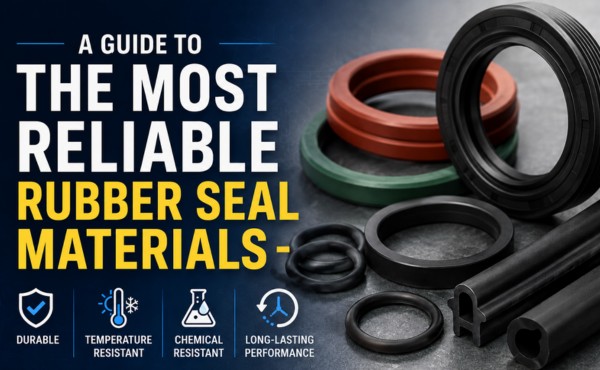
Selecting the right rubber seal materials improves performance and extends service life. NITRILE offers excellent oil resistance. EPDM stands out in weather and ozone protection. SILICONE remains flexible in extreme temperatures. VITON resists harsh chemicals. NEOPRENE provides durability in outdoor conditions. FFKM handles the most demanding environments. POLYURETHANE excels in abrasion resistance. Knowing the properties and limits of these rubber materials helps ensure reliable seals for every application.
Rubber Seal Material Properties Overview
Rubber materials play a key role in the performance of every gasket. Each type of rubber elastomer has unique strengths. Some offer flexibility at low temperatures, while others resist chemicals or weather. The most common rubber materials for gasket use include NITRILE, EPDM, SILICONE, VITON, NEOPRENE, FFKM, and POLYURETHANE. These materials help gaskets seal out fluids, gases, and dust in many industries.
Here is a quick look at the main properties:
| Material | Temperature Range | Chemical Resistance | Weather/Ozone Resistance | Flexibility | Abrasion Resistance |
|---|---|---|---|---|---|
| NITRILE | -40°C to 120°C | Good (oils/fuels) | Fair | Good | Good |
| EPDM | -50°C to 150°C | Good (water/steam) | Excellent | Good | Fair |
| SILICONE | -60°C to 230°C | Fair | Excellent | Excellent | Poor |
| VITON | -20°C to 205°C | Excellent | Excellent | Good | Good |
| NEOPRENE | -40°C to 120°C | Good | Good | Good | Good |
| FFKM | -20°C to 327°C | Outstanding | Excellent | Good | Good |
| POLYURETHANE | -40°C to 90°C | Fair | Fair | Fair | Excellent |
Factors Affecting Reliability
Many factors affect the reliability of a gasket made from rubber materials. Temperature swings can cause some gaskets to harden or crack. Chemical exposure may break down certain rubber materials over time. Pressure and movement can also stress the gasket, leading to leaks. Outdoor gaskets need materials that resist sunlight and ozone. In food or medical settings, purity and flexibility matter most.
Choosing the right rubber materials for your gasket means looking at the whole environment. Consider what the gasket will seal, the temperatures it will face, and how often it will move. Testing and expert advice can help ensure the best choice for long-lasting performance.
Nitrile Rubber (Buna-N) Rubber Seal
Properties
NITRILE RUBBER, also known as BUNA-N, is a popular choice for many sealing applications. This material offers strong resistance to oils and fuels. It performs well in temperatures ranging from -40°C to 120°C. NITRILE RUBBER has good mechanical strength and flexibility. It can handle moderate abrasion and compression. The material is easy to mold into different shapes, making it suitable for custom seals.
Uses in Automotive Seals
NITRILE RUBBER is widely used in automotive seals. It protects engines, transmissions, and fuel systems from leaks. Many gaskets and O-rings in vehicles rely on this material. It works well in automotive fuel handling systems, where exposure to fuels is frequent.
NITRILE RUBBER seals help prevent contamination and maintain pressure. These seals are found in oil pans, fuel injectors, and hydraulic lines. The material’s durability ensures reliable performance in demanding automotive environments.
- Common uses for NITRILE RUBBER in automotive seals:
- Fuel system gaskets
- Oil seals
- Transmission seals
- Hydraulic system O-rings
- Engine gaskets
Automotive seals made from NITRILE RUBBER offer long service life. They withstand contact with fuels and oils, which is essential for vehicle safety and efficiency.
Limitations
NITRILE RUBBER has some limitations. It does not resist weathering, ozone, or sunlight as well as other rubber seal materials. Extended exposure to outdoor conditions can cause cracking or hardening. The material is not suitable for sealing applications involving strong acids or polar solvents. It also has a limited temperature range compared to high-performance elastomers. For automotive seals exposed to extreme heat or harsh chemicals, other materials may be better choices.
EPDM Rubber Seal
Properties
EPDM stands for ethylene-propylene-diene monomer. This synthetic rubber is known for its excellent resistance to weather, ozone, and sunlight. It handles a wide range of temperatures, from -50°C to 150°C. EPDM offers both high temperature resistance and low temperature resistance, making it suitable for many environments.
The material does not break down easily when exposed to water, steam, or many chemicals. It also resists aging and remains flexible over time. Unlike nitrile, EPDM does not swell in water or brake fluids. This makes it a reliable choice for outdoor and water-based applications.
Best Uses
EPDM rubber is used in many industries. It is common in roofing, window seals, and door gaskets. Many car manufacturers use ethylene-propylene seals for weatherstripping and trunk seals. The material works well in HVAC systems, where it seals ducts and pipes.
EPDM is also found in washing machine hoses and garden hoses. It is often chosen for applications that require high and low temperature resistance. Ethylene-propylene is a top pick for seals that face sunlight, rain, or ozone. It outperforms nitrile in these conditions.
- Common uses for EPDM:
- Window and door seals
- Weatherstripping
- Roof membranes
- Water system gaskets
- Outdoor electrical enclosures
Limitations
EPDM has some limitations. It does not resist oils, fuels, or solvents as well as nitrile. Ethylene-propylene is not suitable for applications involving petroleum products. The material can swell or break down if exposed to these substances.
EPDM also has lower abrasion resistance compared to some other rubber seal materials. For heavy-duty mechanical seals, polyurethane or nitrile may be better choices. Always check the chemical compatibility before selecting ethylene-propylene for your project.
Silicone Rubber (VMQ) Seal
Properties
SILICONE RUBBER, also known as VMQ, is valued for its flexibility and stability in extreme temperatures. This material stays soft and elastic from -60°C up to 230°C. It resists cracking and remains flexible even in freezing conditions.
SILICONE RUBBER does not react with water or many chemicals. It also resists ultraviolet light and ozone, which helps it last longer outdoors. The surface of this material is smooth and non-stick, making it easy to clean. It does not support the growth of mold or bacteria. These qualities make it a top choice for many industries.
Food and Medical Applications
SILICONE RUBBER is widely used in food and medical settings. It is safe for contact with food and does not change taste or smell. Many kitchen appliances use seals made from this material. It is also common in bakeware and tubing for drink dispensers. In hospitals, SILICONE RUBBER is used for medical tubing, gaskets, and seals in devices.
It can be sterilized many times without losing its shape or flexibility. For applications that need even higher chemical resistance, fluorosilicone is often selected. Fluorosilicone offers better protection against fuels, oils, and some harsh chemicals. This makes fluorosilicone a good option for medical devices that may come into contact with aggressive fluids.
Food processing equipment sometimes uses fluorosilicone seals to handle both high temperatures and chemical exposure. When choosing between SILICONE RUBBER and fluorosilicone, consider the types of fluids and cleaning agents involved.
Limitations
SILICONE RUBBER has some weaknesses. It does not resist abrasion as well as other rubber seal materials. Heavy mechanical wear can cause it to tear or break down. This material also has lower strength compared to some other elastomers. It is not recommended for use with strong acids, alkalis, or concentrated solvents. In situations where exposure to fuels or oils is likely, fluorosilicone is a better choice. While SILICONE RUBBER performs well in many environments, always check the specific needs of your application before making a selection.
Viton (FKM) Rubber Seal
Properties
Viton, also known as FKM, is a type of fluorocarbon elastomer. This material stands out for its excellent performance in harsh environments. It can handle temperatures from -20°C to 205°C. Some special grades can even go higher. FKM keeps its shape and flexibility when exposed to heat. It also resists swelling and shrinking. This makes it a top choice for seals that must last a long time.
The fluorocarbon structure gives FKM its unique qualities. It does not break down easily when exposed to oils, fuels, or many chemicals. The material also resists weathering, ozone, and sunlight. FKM stays flexible and strong even after years of use. Many industries trust this fluorocarbon for critical sealing jobs.
Chemical Resistance Uses
FKM is famous for its chemical resistance. The fluorocarbon backbone protects the material from attack by many aggressive fluids. It works well with oils, fuels, acids, and even some solvents. This makes it ideal for use in chemical processing plants, laboratories, and fuel systems. FKM seals are common in aerospace, automotive, and industrial equipment.
Some typical uses for this fluorocarbon include:
- Seals and gaskets in fuel systems
- O-rings for chemical pumps and valves
- Gaskets in oil refineries
- Seals for high-temperature machinery
FKM is also used in environments where both heat and chemicals are present. Its durability helps prevent leaks and equipment failure.
Limitations
While FKM offers many advantages, it has some limits. The material does not perform well in very low temperatures. It can become hard and lose flexibility below -20°C. FKM also does not resist certain chemicals, such as ketones and some organic acids. In these cases, another fluorocarbon like FFKM may be a better choice.
FKM is more expensive than many other rubber seal materials. This can affect the cost of large projects. It also has lower resistance to steam compared to EPDM. Always check the compatibility of FKM with the fluids and temperatures in your application.
Neoprene Rubber Seal
Properties
NEOPRENE is a synthetic material known for its balanced set of features. It offers good resistance to weather, ozone, and sunlight. This material stays flexible in temperatures from -40°C to 120°C. NEOPRENE also resists moderate chemicals, including some oils and greases.
It has solid mechanical strength and can handle repeated movement without cracking. The material does not easily catch fire and can self-extinguish in many cases. These qualities make it a reliable choice for many sealing needs.
Outdoor Applications
Many industries use NEOPRENE for outdoor sealing. It works well in window gaskets, door seals, and electrical enclosures. Construction projects often rely on this material for expansion joints and bridge bearings. NEOPRENE is also common in marine environments, such as boat hatches and dock bumpers.
It resists damage from rain, sunlight, and wind. This material can also handle contact with water and some mild chemicals. Because of its durability, NEOPRENE is a popular choice for playground surfaces and sports equipment padding.
Common outdoor uses for NEOPRENE:
-
- Window and door gaskets
- Electrical box seals
- Marine hatch seals
- Playground mats
Limitations
NEOPRENE has some limits. It does not resist strong acids, alkalis, or aromatic hydrocarbons. The material can swell or break down if exposed to these substances. NEOPRENE also has lower resistance to oils and fuels compared to NITRILE.
In high-abrasion settings, it may wear out faster than POLYURETHANE. For applications that require high chemical resistance or extreme temperatures, other materials may perform better. Always check the compatibility of NEOPRENE with the fluids and conditions in your project.
FFKM (Perfluoroelastomer) Rubber Seal
Properties
FFKM stands for perfluoroelastomer. This material is known for its outstanding chemical resistance and high-temperature stability. FFKM can handle temperatures from -20°C up to 327°C. It keeps its shape and flexibility even in extreme heat. The structure of FFKM contains a high amount of fluorine.
This gives it resistance to almost all chemicals, including strong acids, bases, and solvents. FFKM does not swell or break down when exposed to aggressive fluids. It also resists aging, ozone, and weathering. These features make FFKM one of the most advanced rubber seal materials available.
High-Performance Uses
Industries use FFKM in the most demanding applications. It is common in semiconductor manufacturing, where purity and chemical resistance are critical. FFKM seals protect equipment in chemical processing plants. They also appear in oil and gas exploration, where high temperatures and aggressive fluids are present.
Many aerospace systems rely on FFKM for reliable sealing under extreme conditions. Pharmaceutical and food processing industries use FFKM when contamination must be avoided. Some typical uses include:
- O-rings for chemical reactors
- Gaskets in high-temperature pumps
- Seals for analytical instruments
- Valve seats in corrosive environments
These applications require seals that last a long time and prevent leaks, even when exposed to harsh chemicals and high heat.
Limitations
FFKM offers many advantages, but it also has some drawbacks. The main limitation is cost. FFKM is much more expensive than most other rubber seal materials. This high price limits its use to critical applications. FFKM can also be less flexible at very low temperatures.
While it resists most chemicals, a few rare substances can still affect it. Installation and handling require care to avoid damaging the seal. For most standard sealing needs, other materials may provide a better balance of performance and cost.
Polyurethane (PU) Rubber Seal
Properties
Polyurethane, often called PU, is a versatile material known for its outstanding toughness and flexibility. It can handle temperatures from -40°C to 90°C. PU stands out for its high resistance to abrasion and tearing. This makes it a strong choice for seals that face repeated movement or contact with rough surfaces.
The material also resists many oils, greases, and some chemicals. PU maintains its shape under pressure and does not compress easily. It can return to its original form after being stretched or squeezed. This property helps seals last longer in demanding environments.
Hydraulic and Mechanical Uses
PU is widely used in hydraulic and mechanical systems. It performs well in applications where seals must move or flex often. Many hydraulic cylinders use PU seals to prevent leaks and keep fluids contained. The material works well in pistons, rods, and valves.
It is also common in heavy machinery, such as construction equipment and industrial presses. PU seals help reduce downtime by lasting longer than many other materials. They can handle high pressures and repeated cycles without breaking down.
Some typical uses for PU in hydraulic and mechanical systems include:
- Hydraulic cylinder seals
- Rod and piston seals
- Scraper rings
- Shock absorber seals
- Wear rings
These applications benefit from PU’s ability to resist damage from friction and impact.
Limitations
While PU offers many advantages, it has some limits. The material does not perform well at very high temperatures. Prolonged exposure to heat above 90°C can cause it to lose strength or become brittle. PU also has limited resistance to strong acids, bases, and some solvents. In outdoor settings, it may degrade faster if exposed to sunlight or ozone for long periods. For applications that require high chemical resistance or extreme temperatures, other rubber seal materials may be better choices.
Rubber Seal Materials Comparison
Choosing the right rubber seal materials can make a big difference in how well a gasket performs. Each material has its own strengths and weaknesses. Some work better in high temperatures, while others resist chemicals or weather. This section will help you compare the most reliable options for different uses, including automotive and industrial applications.
Quick Reference Table
The table below shows the main properties, temperature ranges, and best-use scenarios for each type of rubber seal material. Use this as a guide when selecting the best gasket for your needs.
| Material | Temperature Range | Chemical Resistance | Weather/Ozone Resistance | Flexibility | Abrasion Resistance | Best Uses |
|---|---|---|---|---|---|---|
| NITRILE | -40°C to 120°C | Good (oils/fuels) | Fair | Good | Good | Automotive gaskets, fuel systems |
| EPDM | -50°C to 150°C | Good (water/steam) | Excellent | Good | Fair | Outdoor gaskets, water systems |
| SILICONE | -60°C to 230°C | Fair | Excellent | Excellent | Poor | Food, medical, high-temp seals |
| VITON | -20°C to 205°C | Excellent | Excellent | Good | Good | Chemical, automotive, fuel |
| NEOPRENE | -40°C to 120°C | Good | Good | Good | Good | Outdoor, marine, electrical |
| FFKM | -20°C to 327°C | Outstanding | Excellent | Good | Good | High-performance, chemical plants |
| POLYURETHANE | -40°C to 90°C | Fair | Fair | Fair | Excellent | Hydraulic, mechanical, automotive |
In-Depth Comparison
- NITRILE is a top choice for automotive gaskets. It resists oils and fuels, which are common in engines and transmissions. This material works well in moderate temperatures and offers good abrasion resistance. However, it does not last long outdoors or in sunlight.
- EPDM stands out for weather and ozone resistance. It is often used in outdoor gaskets, such as window and door seals. EPDM handles both hot and cold temperatures. It does not perform well with oils or fuels, so it is not the best for automotive engines.
- SILICONE is known for flexibility and stability in extreme temperatures. It is safe for food and medical gaskets. This material does not resist abrasion, so it is not ideal for moving parts. SILICONE is also used in some automotive applications that require high heat resistance.
- VITON offers excellent chemical resistance. It is used in automotive fuel systems, chemical plants, and high-temperature machinery. This material keeps its shape and flexibility under stress. VITON costs more than other rubber seal materials, but it lasts longer in harsh environments.
- NEOPRENE provides a balance of weather resistance and flexibility. It is common in outdoor and marine gaskets. NEOPRENE can handle some oils and chemicals, but not as well as NITRILE. It is also used in automotive electrical enclosures.
- FFKM is the best for extreme chemical and temperature conditions. It is used in high-performance gaskets for chemical processing, oil and gas, and aerospace. FFKM is very expensive, so it is chosen only when other materials cannot survive.
- POLYURETHANE excels in abrasion resistance. It is used in hydraulic and mechanical gaskets that face repeated movement. Many automotive shock absorbers and hydraulic cylinders use this material. POLYURETHANE does not handle high heat or sunlight for long periods.
Choosing Rubber Seal Materials
Application Needs
Every application has its own requirements. Start by listing what the seal must do. Some seals must keep oil inside an engine. Others must block water from entering a building. Many applications need seals that can handle movement or pressure changes.
- Automotive applications often need seals that resist oil, fuel, and heat. NITRILE and VITON are common choices for these uses. Seals in engines, transmissions, and fuel systems must last for many years. The right material prevents leaks and keeps vehicles safe.
- In food and medical applications, purity and flexibility matter most. SILICONE is a top pick because it does not affect taste or smell. It also stays soft in both hot and cold conditions.
- Outdoor applications require materials that resist sunlight, rain, and ozone. EPDM and NEOPRENE work well for window gaskets, door seals, and electrical enclosures.
- Hydraulic and mechanical applications need seals that can handle pressure and movement. POLYURETHANE is often used in these systems because it resists wear and tear.
Environmental Factors
The environment plays a big role in how long a seal will last. Some materials break down when exposed to certain chemicals or weather conditions. Others stay strong even in harsh settings.
- Temperature: High heat can cause some seals to harden or crack. Low temperatures can make them brittle. For example, FFKM handles extreme heat, while EPDM stays flexible in the cold.
- Chemical Exposure: Many applications involve contact with chemicals. Seals in chemical plants, laboratories, or fuel systems must resist attack from acids, bases, or solvents. VITON and FFKM are good choices for these environments.
- Weather and Ozone: Outdoor applications face sunlight, rain, and ozone. EPDM and NEOPRENE resist these factors better than most other materials.
- Pressure and Movement: Some seals must handle high pressure or constant movement. POLYURETHANE works well in hydraulic applications because it resists abrasion.
Cost Considerations
Cost is an important factor in every project. Some materials cost more but last longer. Others are less expensive but may need to be replaced more often.
- Material Cost: FFKM is the most expensive option. It is used only in critical applications where nothing else will survive. NITRILE and EPDM are more affordable and work well in many common applications.
- Service Life: A seal that lasts longer can save money over time. For example, VITON costs more than NITRILE but may last longer in automotive applications.
- Replacement and Maintenance: Consider how easy it is to replace the seal. In some applications, changing a seal is difficult and costly. Choosing a more durable material can reduce downtime and repair costs.
- Industry Standards: Some applications must meet strict rules. Food, medical, and chemical applications often require materials that pass safety tests. These materials may cost more but are necessary for safety and compliance.
How to Decide
Choosing the right rubber seal materials means looking at all the factors together. Think about what the seal must do, where it will be used, and how much you can spend. Use the table below as a quick guide:
| Application Type | Best Material Options | Key Factors |
|---|---|---|
| Automotive | NITRILE, VITON, PU | Oil/fuel resistance, heat |
| Food/Medical | SILICONE | Purity, flexibility |
| Outdoor | EPDM, NEOPRENE | Weather, ozone resistance |
| Hydraulic/Mechanical | POLYURETHANE | Abrasion, pressure |
| Chemical Processing | FFKM, VITON | Chemical resistance |
By understanding your application needs, the environment, and your budget, you can select the most reliable rubber seal materials for any project. This approach helps ensure safety, performance, and cost savings over time.
FAQ
What are the most common types of rubber seal materials?
The most common types include NITRILE, EPDM, SILICONE, VITON, NEOPRENE, FFKM, and POLYURETHANE. Each type offers unique properties for different environments and applications.
How do I choose the right rubber seal material for my project?
Start by considering temperature, chemical exposure, and pressure. Check if the material resists the fluids and conditions in your application. Use comparison tables and consult with experts for the best match.
Can rubber seal materials handle extreme temperatures?
Some rubber seal materials, such as FFKM and SILICONE, can handle very high or low temperatures. Always check the temperature range for each material before making a selection.
Are all rubber seal materials safe for food or medical use?
No, only certain materials like SILICONE are safe for food and medical applications. Always verify that the material meets safety standards for your industry.
How can I extend the life of rubber seals?
Store seals in a cool, dry place. Avoid direct sunlight and harsh chemicals. Regularly inspect and replace seals that show signs of wear or damage.


Leave a Reply
Want to join the discussion?Feel free to contribute!