Different Types of Rubber Extrusions and Profiles
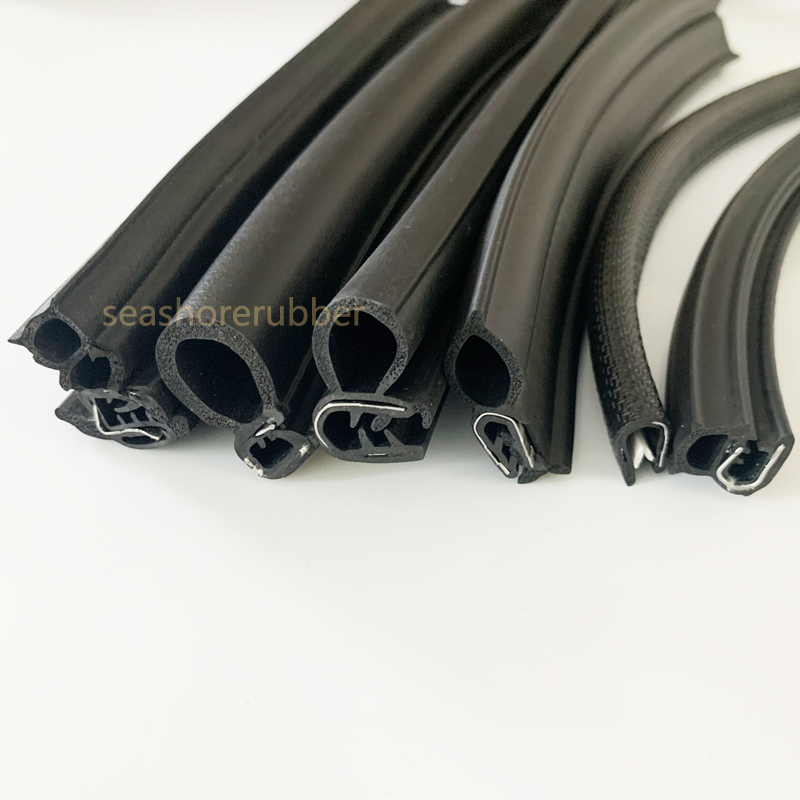
Rubber extrusions come in a wide range of shapes and designs. Common profiles include solid rubber, bulb and hollow forms, D-section, U-channel, edge trim, and tubing. Specialty options like coextrusions, custom rubber extrusions, and accordion seals are also available.
Choosing the right rubber profile ensures proper sealing, protection, and durability in your application. Each rubber type offers unique benefits for specific needs, from weather resistance to flexibility.
Overview of Rubber Extrusions
What Are Rubber Extrusions
Rubber extrusions are shaped rubber profiles made by forcing raw rubber through a die. This process creates continuous lengths of rubber components with specific cross-sectional profiles. These profiles can be simple, like round cords, or complex, such as seals with multiple chambers. Rubber extrusion allows manufacturers to produce consistent shapes that fit many applications. Some common uses include weatherstripping, edge protection, and vibration dampening.
Profiles come in many forms. Solid profiles offer strength and durability. Hollow profiles provide flexibility and cushioning. D-section and U-channel profiles are popular for sealing and edge protection. Tubing profiles carry fluids or protect wires. Each profile serves a unique role in different products and industries.
Note: Choosing the right profiles ensures that rubber components perform well in their intended applications.
Rubber Extrusion Process
The rubber extrusion process starts with raw rubber material. This material is fed into an extruder, which pushes it through a shaped die. The die determines the final profile of the rubber. As the rubber exits the die, it may pass through a curing oven to set its shape. This step is important for making sure the profiles stay strong and flexible.
The rubber extrusion process can produce long, continuous profiles. These profiles are then cut to the required length for each application. The process supports a wide range of rubber types, including EPDM, silicone, and neoprene. Manufacturers can create custom profiles for specialized products. The rubber extrusion process also allows for coextrusion, where two or more rubber materials are combined in one profile.
Rubber components made by extrusion are used in many products. These include door seals, window gaskets, and protective covers. The variety of profiles available means there is a solution for almost any sealing or protection need.
Common Types of Extruded Rubber Products
Solid Rubber Extrusions
Solid rubber extrusions are dense profiles made from compact rubber material. These extruded rubber products offer strength and durability. They resist wear and tear in harsh environments. Solid rubber parts are often used for sealing, cushioning, and impact protection.
Key Features:
- High strength
- Excellent resistance to abrasion
- Long-lasting performance
Typical Applications:
- Door seals in vehicles
- Industrial bumpers
- Protective gaskets
Tip: Solid extruded rubber is ideal for parts that must withstand heavy loads or repeated impacts.
Bulb and Hollow Extrusions
Bulb and hollow extrusions have empty spaces inside their profiles. These extruded rubber products provide flexibility and compressibility. Bulb rubber parts can seal gaps and absorb vibrations. Hollow rubber extrusion profiles are lighter and easier to compress than solid ones.
Key Features:
- Flexible structure
- Good cushioning properties
- Lightweight design
Typical Applications:
- Weatherstripping for doors and windows
- Vibration dampening in machinery
- Seals for marine and automotive parts
A bulb seal can fit around a door frame to keep out water and air. Hollow extruded rubber products are often used in equipment that needs soft, flexible seals.
D-Section Rubber Extrusions
D-section rubber extrusions have a profile shaped like the letter “D.” These extruded rubber products are designed for sealing and edge protection. The flat side attaches to surfaces, while the curved side provides a soft seal.
Key Features:
- Unique D-shaped profile
- Easy installation
- Effective sealing
Typical Applications:
- Edge protection for glass panels
- Seals for truck doors
- Cushioning for metal parts
Note: D-section extruded rubber products are popular in transportation and construction because they protect edges and prevent leaks.
U-Channel and Edge Trim
U-channel and edge trim extrusions have a U-shaped profile. These extruded rubber products fit over the edges of panels, doors, or glass. They protect surfaces from damage and provide a neat finish.
Key Features:
- U-shaped design
- Simple to install
- Protects edges from impact
Typical Applications:
- Edge trim for automotive doors
- Protection for glass and metal panels
- Decorative finishing for furniture parts
A U-channel extruded rubber product can cover the sharp edge of a metal sheet. Edge trim rubber parts are used in many industries to prevent injuries and improve appearance.
Extruded Rubber Tubing
Extruded rubber tubing is a hollow, cylindrical profile. These extruded rubber products are used to transport fluids, protect wires, or provide insulation. Rubber tubing parts come in many sizes and materials.
Key Features:
- Hollow tube shape
- Flexible and bendable
- Resistant to chemicals
Typical Applications:
- Fluid transfer in laboratory equipment
- Wire protection in electrical systems
- Insulation for heating and cooling parts
Tip: Extruded rubber tubing is essential for applications that require flexibility and resistance to chemicals.
| Type | Key Features | Common Applications |
|---|---|---|
| Solid Rubber Extrusions | Strength, durability | Seals, bumpers, gaskets |
| Bulb & Hollow Extrusions | Flexibility, cushioning | Weatherstripping, vibration dampening |
| D-Section Extrusions | D-shaped, easy to install | Edge protection, seals |
| U-Channel & Edge Trim | U-shaped, protects edges | Edge trim, panel protection |
| Rubber Tubing | Hollow, flexible, chemical resistant | Fluid transfer, wire protection |
Extruded rubber products are essential in many industries. Each type of rubber extrusion serves a specific purpose. Choosing the right rubber parts ensures reliable performance in all applications.
Specialty Rubber Extrusions
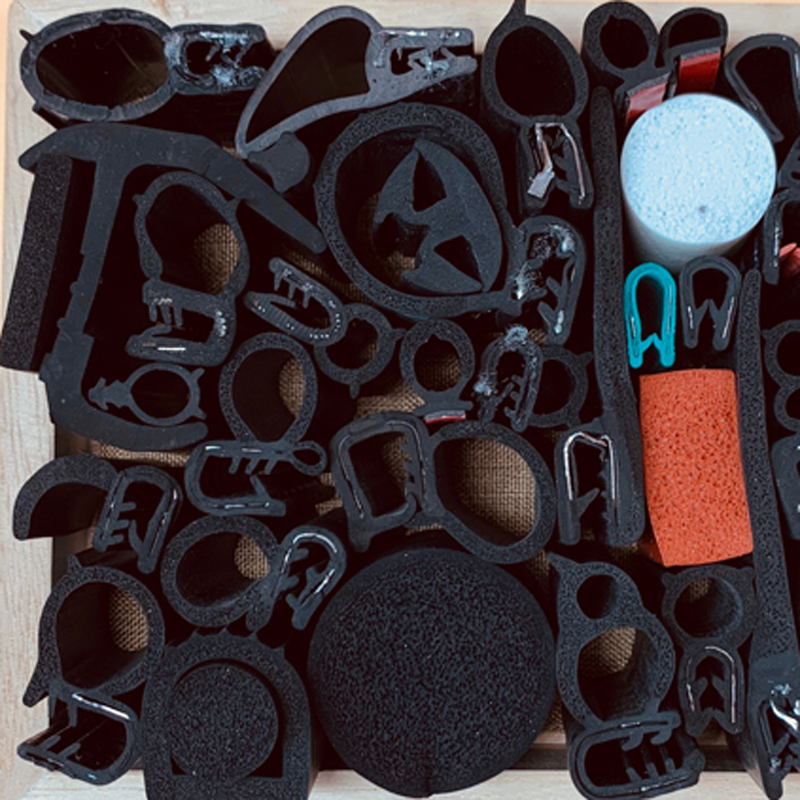
Specialty rubber extrusions offer solutions for unique challenges that standard profiles cannot address. These advanced products use specific designs and materials to meet demanding requirements. Specialty extrusions provide extra flexibility, improved sealing, and custom shapes. They often combine several rubber molding techniques to achieve the best results.
Coextrusions
Coextrusions use two or more types of rubber in a single profile. This process allows manufacturers to combine materials with different properties. For example, a coextruded seal might have a soft section for sealing and a firm section for support. The benefits of extruded rubber in coextrusions include better performance and longer life. These products work well in automotive doors, windows, and equipment that needs both flexibility and strength. Coextrusions can also reduce the need for extra parts, making assembly easier.
Custom Rubber Extrusions
Custom rubber extrusions are designed for specific projects. Engineers use rubber molding to create profiles that fit exact shapes and sizes. Customization allows for special features like grooves, holes, or complex curves. The benefits of extruded rubber in custom designs include perfect fit and improved function. Custom extrusions are common in industries such as aerospace, electronics, and medical devices. These products can serve as rubber gaskets, rubber seals, or even as protective covers. Custom rubber molding ensures that each part meets strict standards.
Accordion Seals
Accordion seals use a folded design to allow for expansion and compression. These rubber extrusions protect moving parts and keep out dust, water, and debris. Accordion seals are made using rubber molding to create flexible, durable shapes. The benefits of extruded rubber in accordion seals include excellent movement and strong sealing. These seals are often used in machinery, vehicles, and doors that need to open and close often. Accordion seals can also act as rubber gaskets in dynamic environments.
Note: Specialty rubber extrusions provide advanced solutions for complex needs. They offer more options than standard profiles and can be tailored for almost any application.
| Specialty Extrusion Type | Unique Benefits of Extruded Rubber | Typical Uses |
|---|---|---|
| Coextrusions | Multiple materials, better sealing | Automotive, equipment |
| Custom Extrusions | Exact fit, special features | Aerospace, electronics |
| Accordion Seals | Flexibility, dynamic protection | Machinery, moving doors |
Choosing the right rubber extrusion depends on the needs of your project. Each rubber profile offers unique benefits:
- Solid rubber extrusions give strength and durability.
- Bulb and hollow rubber profiles provide flexibility and cushioning.
- D-section rubber shapes protect edges and seal gaps.
- U-channel and edge trim rubber parts cover and protect surfaces.
- Rubber tubing moves fluids and shields wires.
- Specialty rubber extrusions solve complex problems.
For the best results, match the rubber type to your application. Consult a supplier or expert for custom rubber solutions.
FAQ
What are the main benefits of extruded rubber in industrial applications?
Extruded rubber offers consistent quality, custom shapes, and strong sealing. It works well for many applications, including weatherstripping and vibration dampening. The rubber extrusion process allows for high volumes of rubber parts, making it cost-effective for large projects.
How do I choose the right rubber extrusion for my project?
Start by looking at the environment and function. Consider temperature, chemicals, and movement. Different profiles and rubber materials suit different needs. Ask suppliers for advice if you need custom rubber components or unique rubber products.
Can extruded rubber products be used outdoors?
Yes, many extruded rubber products resist sunlight, water, and temperature changes. EPDM and silicone rubber extrusions work well for outdoor applications. These rubber parts often serve as rubber seals or rubber gaskets in doors, windows, and vehicles.
What is the difference between solid and hollow rubber profiles?
Solid profiles provide strength and durability. Hollow profiles offer flexibility and cushioning. The choice depends on the application. For example, solid rubber components are best for impact protection, while hollow extruded rubber products work well for sealing and vibration control.
Are custom rubber molding and extrusion the same?
No, rubber molding shapes rubber in a closed mold, while extrusion pushes rubber through a die to form continuous profiles. Both methods create rubber parts, but extrusion is better for long, uniform products like tubing and seals.


Leave a Reply
Want to join the discussion?Feel free to contribute!