
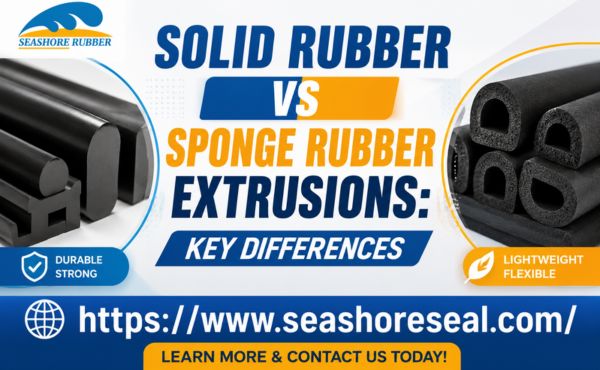
Solid Rubber vs Sponge Rubber Extrusions: Key Differences
Solid rubber and sponge rubber extrusions have important differences. Solid rubber has a dense, firm structure that gives it high strength. Sponge rubber contains many tiny air pockets, making it softer and easier to compress. These differences affect how each rubber type performs in different environments. Choosing the right rubber helps ensure a good fit for sealing, cushioning, or protection.
What Are Solid and Sponge Rubber Extrusions
Solid Rubber Extrusion
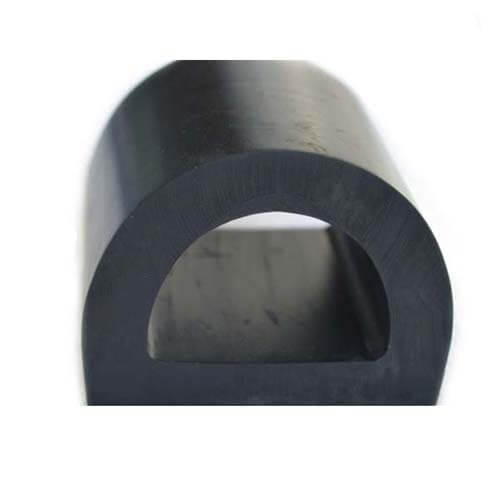
Solid rubber extrusion is a process that shapes rubber into continuous lengths with a dense, firm structure. This type of rubber does not contain air pockets or gaps. The material feels strong and heavy when touched.
Manufacturers use solid rubber for parts that need to resist pressure and wear. The extrusion process pushes the rubber through a shaped die. This creates items like seals, gaskets, and bumpers.
Solid rubber can handle repeated stress. It keeps its shape even when squeezed or stretched. This makes it a good choice for heavy-duty applications.
Sponge Rubber Extrusion
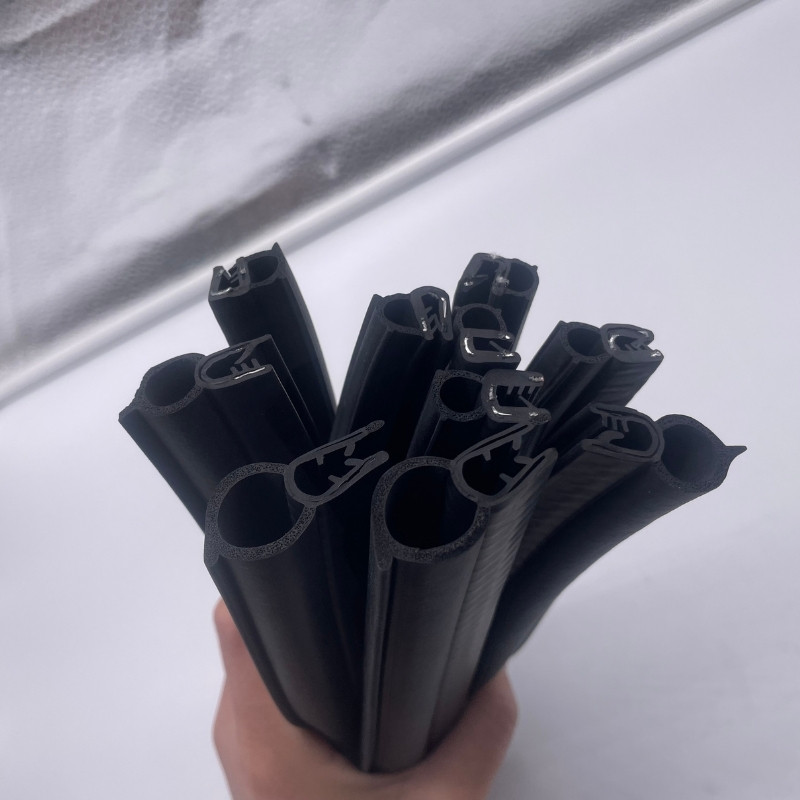
Sponge rubber extrusion creates rubber parts with a soft, cushion-like feel. The process adds gas or chemicals to the rubber, forming many tiny sponge cells inside. These cells trap air and make the rubber light and flexible.
Sponge rubber extrusions are easy to compress. They return to their original shape after being pressed. This property helps them seal out air, water, or dust in doors and windows.
Key features of sponge rubber extrusions:
- Soft and flexible texture
- Good for cushioning and sealing
- Lightweight compared to solid rubber
Sponge rubber is not as strong as solid rubber. It works best where gentle contact or a tight seal is needed. The sponge structure also helps absorb shock and reduce noise.
Sponge rubber extrusions come in many shapes and sizes. They are common in automotive, construction, and appliance industries.
Composition and Structure
Solid Rubber Structure
Solid rubber has a dense and uniform structure. The material contains very few air pockets or gaps. This gives the rubber a firm and heavy feel.
The molecules in solid rubber are packed closely together. This arrangement helps the rubber resist pressure and stretching. It also makes the material strong and durable.
Solid rubber can handle repeated bending and squeezing. It does not lose its shape easily. This makes it a good choice for seals, gaskets, and bumpers.
Sponge Rubber Structure
Sponge rubber has a very different structure. The material contains many tiny air cells or pockets. These air pockets make the rubber soft and flexible.
There are two main types of sponge rubber: open-cell and closed-cell. Open-cell sponge rubber has connected air pockets. This allows air and water to pass through. Closed-cell sponge rubber has sealed air pockets. This type blocks air and water from moving through the material.
| Type of Sponge Rubber | Air Pocket Structure | Water Resistance |
|---|---|---|
| Open-cell | Connected | Low |
| Closed-cell | Sealed | High |
Sponge rubber is lightweight because of its air-filled structure. It can compress easily and return to its original shape. This makes it useful for cushioning, sealing, and absorbing shock.
The unique structure of sponge rubber helps it perform well in many applications. It is common in weatherstripping, padding, and insulation.
Manufacturing Differences
Solid Rubber Manufacturing
Solid rubber manufacturing starts with raw rubber materials. Workers mix these materials to create a dense compound. The compound is then heated and pushed through a die to form the desired shape.
The extrusion process uses high pressure. This helps the rubber keep its solid structure. The finished product is strong and heavy. It works well for seals that need to resist force and wear.
Solid rubber extrusions often go through additional steps. These steps include cutting, curing, and sometimes adding coatings. Each step improves the durability and performance of the seals.
Sponge Rubber Manufacturing
Sponge rubber manufacturing uses a different method. The process starts with mixing rubber and special chemicals. These chemicals create gas bubbles inside the rubber.
The mixture is heated to expand the bubbles. This forms a sponge-like structure with many air pockets. The rubber becomes soft and flexible. It is easy to compress and returns to its shape after pressure.
Sponge rubber extrusions are shaped using lower pressure. The air pockets make the material lighter. These seals are ideal for applications that need cushioning or a tight fit.
Key steps in sponge rubber manufacturing:
- Mixing rubber with chemicals
- Heating to expand bubbles
- Extruding into shapes for seals
Manufacturing differences affect how each rubber type performs. Solid rubber seals offer strength. Sponge rubber seals provide flexibility and comfort.
Properties Comparison
Strength and Durability
Solid rubber shows high strength because of its dense structure. The material resists tearing and stretching under force. This gives solid rubber greater levels of performance in demanding environments.
Durability is a key property for solid rubber. It withstands repeated impacts and pressure without losing shape. Many industries rely on solid rubber for seals and gaskets that must last.
Sponge rubber has lower strength compared to solid rubber. The air pockets inside sponge rubber reduce its durability. Sponge rubber works best in applications where heavy loads are not present.
Compressibility and Cushioning
Sponge rubber excels in compressibility. The sponge structure allows the material to compress easily and return to its original shape. This property makes sponge rubber ideal for cushioning and filling gaps.
Solid rubber offers less compressibility. Its dense structure limits how much it can be squeezed. Solid rubber provides firm support but does not absorb shock as well as sponge rubber.
Elasticity is important for both types. Sponge rubber shows high elasticity because of its air pockets. Solid rubber also has elasticity, but it is less flexible than sponge rubber.
| Property | Solid Rubber | Sponge Rubber |
|---|---|---|
| Compressibility | Low | High |
| Cushioning | Firm | Soft |
| Elasticity | Moderate | High |
Resistance to Wear
Solid rubber resists abrasion and indentation. Its dense structure protects against scratches and dents. This property helps solid rubber maintain performance over time.
Sponge rubber is more prone to wear. The air pockets make the material softer and less resistant to abrasion. Sponge rubber may show signs of wear faster in high-traffic areas.
Density affects resistance to wear. Solid rubber has higher density, which increases its strength and durability. Sponge rubber has lower density, making it lighter but less tough.
Performance properties depend on the environment. Solid rubber performs well in harsh conditions. Sponge rubber offers comfort and flexibility but may not last as long.
Environmental Resistance
Temperature and Chemical Resistance
Rubber materials face many challenges in different environments. Temperature changes can affect how rubber performs. Solid rubber handles high and low temperatures well. It keeps its shape and strength even when exposed to heat or cold.
Sponge rubber reacts differently. The air pockets inside sponge make it more sensitive to temperature swings. Extreme heat can cause sponge to lose flexibility. Cold temperatures may make sponge stiff or brittle.
Chemical resistance is also important. Solid rubber resists many chemicals, oils, and fuels. This makes it a good choice for industrial settings. Sponge rubber can resist some chemicals, but the open structure of sponge may let liquids seep in. Closed-cell sponge offers better protection against chemicals than open-cell sponge.
Water and Air Permeability
Water and air permeability describe how easily these elements pass through rubber. Solid rubber blocks water and air very well. It forms a tight seal that keeps out moisture and drafts.
Sponge rubber shows different results. Open-cell sponge allows water and air to move through the material. This type of sponge is not waterproof. Closed-cell sponge has sealed air pockets. It blocks water and air much better than open-cell sponge.
| Material Type | Water Resistance | Air Resistance |
|---|---|---|
| Solid Rubber | Excellent | Excellent |
| Open-Cell Sponge | Poor | Poor |
| Closed-Cell Sponge | Good | Good |
Sponge rubber is often used for seals that need some airflow or cushioning. Solid rubber works best when a complete barrier is needed. Always match the type of rubber to the demands of your project.
Applications of Solid and Sponge Rubber
Solid Rubber Uses
Solid rubber is used in many industrial and commercial applications. The dense structure makes it ideal for parts that need strength and durability. Factories often use solid rubber for machine mounts and vibration pads. These parts help reduce noise and protect equipment.
Automotive industries rely on solid rubber for gaskets and bumpers. The material resists wear and holds its shape under pressure. Construction sites use solid rubber for flooring and protective edging. These products last a long time and withstand heavy loads.
Solid rubber is also common in custom seals. Engineers design these seals for doors, windows, and machinery. The seals block water, air, and dust. They provide a tight barrier in harsh environments.
Sponge Rubber Uses
Sponge rubber is popular in applications that need softness and flexibility. The sponge structure allows the material to compress and bounce back. Many doors and windows use sponge rubber for weatherstripping. This helps keep out drafts and moisture.
Appliance manufacturers use sponge rubber for padding and insulation. The sponge absorbs shock and reduces noise. Automotive industries install sponge rubber in seals and gaskets. These parts fill gaps and cushion moving parts.
Closed-cell sponge rubber is used for waterproof seals. Open-cell sponge rubber is found in filters and soundproofing panels. The sponge material adapts to different shapes and surfaces.
| Sponge Rubber Application | Benefit |
|---|---|
| Weatherstripping | Blocks drafts |
| Padding | Absorbs shock |
| Insulation | Reduces noise |
| Filters | Allows airflow |
Sponge rubber is lightweight and easy to install. It fits well in places where gentle contact is needed. The sponge structure makes it suitable for many everyday products.
How to Choose Between Solid and Sponge Rubber
Key Selection Factors
Choosing the right rubber depends on several important factors. Start by thinking about the main job the material must do. Consider if the part needs to be strong, flexible, or soft.
Check the level of durability required. Solid rubber works well in places where strength and long life are important. Sponge rubber is better for gentle contact and comfort.
Think about the environment where the material will be used. High temperatures, chemicals, or water can affect performance. Solid rubber resists harsh conditions better than sponge rubber.
Look at how much compression or cushioning is needed. Sponge rubber compresses easily and fills gaps. Solid rubber stays firm and does not compress much.
Use this table to help compare key factors:
| Selection Factor | Solid Rubber | Sponge Rubber |
|---|---|---|
| Strength | High | Moderate |
| Flexibility | Moderate | High |
| Cushioning | Firm | Soft |
| Water Resistance | Excellent | Good (closed-cell) |
| Chemical Resistance | High | Moderate |
| Durability | Excellent | Good |
Application Recommendations
Different applications require different types of rubber. Use solid rubber for seals, gaskets, and bumpers that face heavy use. It is also a good choice for machine mounts and protective edging.
Choose sponge rubber for weatherstripping, padding, and insulation. It works well in doors, windows, and places that need a soft seal. Closed-cell sponge rubber is best for blocking water and air.
If the project needs both strength and flexibility, test both materials before making a final choice. Always consider the environment, the amount of pressure, and the need for comfort or protection.
Conclusion
Solid and sponge rubber extrusions have different strengths. Solid rubber offers durability and strength, while sponge rubber provides flexibility and cushioning. Always match the material to your project needs.
Checklist for choosing the right rubber:
- Check if you need strength or softness.
- Think about exposure to water or chemicals.
- Decide if compressibility or firmness is more important.


Leave a Reply
Want to join the discussion?Feel free to contribute!