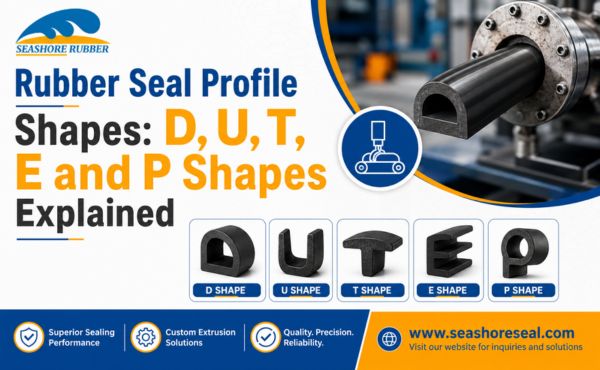
Rubber Seal Profile Shapes: D, U, T, E and P Shapes Explained
A rubber seal profile creates a barrier that blocks air, water, or dust from passing through gaps. Many industries rely on rubber seal profile designs to improve safety and efficiency. The rubber sealing industry uses rubber seal profile solutions to make products like gaskets for machines and vehicles.
- A rubber seal profile comes in different shapes to fit specific needs.
- Each rubber seal profile serves a unique function in doors, windows, and other enclosures.
- A rubber seal manufacturer often provides high-quality custom rubber extrusions for specialized projects.
D Shape Rubber Seal Profile
Design Features
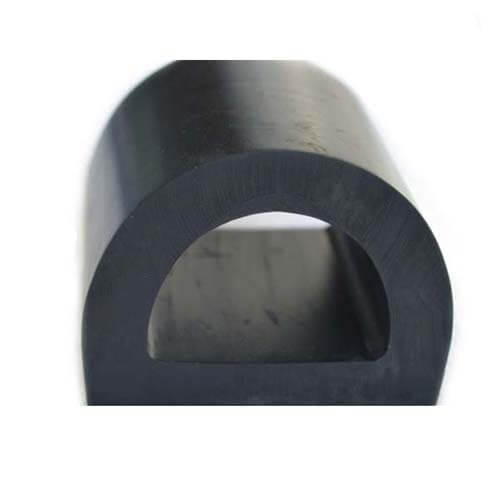
The D shape rubber seal profile has a half-moon bulb on top and a flat bottom. This design allows the rubber extrusion profiles to compress easily when installed. Manufacturers often use sponge rubber for these extrusion profiles because it provides flexibility and softness. The bulb shape creates a tight seal against surfaces, blocking air and moisture. The flat base helps the extrusion stay in place during installation. These profiles can be made in different sizes to fit various gaps.
Rubber extrusion profiles with a D shape offer excellent weather resistance. The material resists UV rays, ozone, and temperature changes. This durability makes the extrusion suitable for both indoor and outdoor applications. The D shape also helps absorb vibrations, which protects equipment and structures. Many extruded rubber seals use this profile for its reliable sealing performance.
Common Uses
D shape rubber extrusion profiles are popular in doors, windows, and enclosures. Homeowners use these profiles to seal gaps around doors and windows, improving energy efficiency. Industrial settings rely on rubber extrusion profiles to protect machines from dust and moisture. The D shape is also common in automotive applications, where it seals car doors and trunks.
Extruded rubber seals with a D profile can be found in electrical enclosures. These profiles prevent water and debris from entering sensitive equipment. The weather resistance and durability of rubber extrusion profiles make them ideal for harsh environments. Many industries choose D shape profiles for their versatility and long-lasting performance.
U Shape Rubber Extrusion Profiles
Structure and Function
U shape rubber extrusion profiles have a channel that looks like the letter “U.” This design allows the extrusion to slide over edges and create a secure fit. The channel grips the edge and holds the rubber in place. These profiles use flexible rubber materials that can bend without breaking. The extrusion provides a cushion that absorbs impact and reduces damage. Many industries use these profiles for edge protection on metal, glass, or plastic surfaces.
Rubber extrusion profiles with a U shape offer strong protection against wear and tear. The rubber material resists chemicals, sunlight, and temperature changes. The extrusion also helps prevent sharp edges from causing injuries. U shape profiles come in different sizes to fit various thicknesses. The rubber can be soft or firm, depending on the level of protection needed. Some profiles include extra features like gripping fins or adhesive strips for better hold.
Applications
U shape rubber extrusion profiles are common in automotive manufacturing. Car doors and windows use these profiles for edge protection and sealing. The extrusion keeps out dust, water, and wind. Industrial machines also use U shape profiles to protect workers from sharp edges. The rubber extrusion profiles reduce the risk of cuts and scrapes.
Many construction projects use these profiles for window frames and panels. The extrusion provides a neat finish and extra protection. U shape rubber extrusion profiles are also found in cabinets, lockers, and equipment enclosures. The rubber helps prevent damage during transport and use. These profiles are a simple way to add long-lasting protection to many surfaces.
A summary of typical uses for U shape rubber extrusion profiles:
- Automotive door and window edge protection
- Industrial machine guards
- Construction panel edges
- Cabinet and locker doors
- Equipment enclosures
U shape rubber extrusion profiles offer reliable protection in many settings. The combination of rubber material and extrusion design makes these profiles a top choice for edge protection.
T Shape Rubber Seal Profile
Profile Design
The T shape rubber seal profile features a cross-section that resembles the letter “T.” This design allows the rubber extrusion profiles to fit into grooves or slots with ease. The vertical stem of the extrusion slides into a channel, while the horizontal top forms a barrier for sealing. Many manufacturers use rubber materials that offer flexibility and durability. The extrusion can withstand repeated compression without losing its shape. T shape profiles often integrate with O-ring grooves, providing a secure fit for sealing applications.
Rubber extrusion profiles with a T shape are engineered for bi-directional sealing. The design helps block air, water, and dust from both sides of the barrier. The extrusion creates a tight seal when compressed, making it ideal for environments that require reliable sealing. The rubber material resists chemicals and temperature changes, which increases the lifespan of the profiles. T shape extrusion profiles are available in various sizes to match different groove dimensions.
Use Cases
T shape rubber seal profiles are used in many industries. These profiles are common in doors, windows, and panels that need strong sealing. The extrusion prevents leaks and protects equipment from moisture and debris. Rubber extrusion profiles with a T shape are also found in automotive and marine applications. The profiles help maintain compression sealing in areas exposed to vibration and movement.
Many industrial machines use T shape extrusion profiles for sealing joints and connections. The rubber material absorbs shocks and reduces noise. T shape profiles are suitable for environments where bi-directional pressure accommodation is important. The extrusion ensures that sealing remains effective even under repeated compression. Some profiles are designed for custom groove sizes, allowing for specialized sealing solutions.
A table summarizing typical uses for T shape rubber seal profiles:
| Application Area | Sealing Function |
|---|---|
| Doors and windows | Air and moisture barrier |
| Panels and enclosures | Dust and debris protection |
| Automotive | Compression sealing |
| Marine equipment | Bi-directional sealing |
| Industrial machines | Joint and groove sealing |
T shape rubber extrusion profiles offer versatility and reliable sealing performance. The combination of rubber material and extrusion design makes these profiles a preferred choice for many sealing needs.
E Shape Rubber Seal Profile
Hollow Seal Design
The E shape rubber seal profile uses a hollow seal structure. This design features a main body with a groove and a flexible bulb. The groove allows the extrusion to fit tightly onto an edge. The hollow section compresses when pressed, creating a strong sealing effect. Rubber extrusion profiles with this shape can block air, fluids, and dust. The rubber material gives the extrusion flexibility and durability. Many profiles use rubber for its chemical resistance and oil resistance. The hollow design also helps the extrusion absorb vibrations. This makes the profiles useful for machines and enclosures.
Rubber extrusion profiles with an E shape are popular for their waterproof qualities. The hollow bulb forms a barrier that keeps out water and other liquids. The groove holds the extrusion in place, even under pressure. The rubber material resists damage from chemicals and oils. This increases the lifespan of the profiles. The hollow seal design also reduces noise and protects equipment from impact.
Moisture and Debris Protection
E shape rubber extrusion profiles provide excellent protection against moisture and debris. The groove structure makes installation easy on edges of doors, panels, and windows. The extrusion forms a tight seal that blocks water, dust, and dirt. Rubber gives the profiles flexibility, so they fit many surfaces. The sealing effect remains strong even after repeated use. The profiles also offer chemical resistance and oil resistance, which is important in harsh environments.
Many industries use E shape rubber extrusion profiles for waterproof sealing. These profiles protect electrical enclosures, cabinets, and vehicles. The extrusion prevents leaks and keeps sensitive equipment safe. The rubber material also adds extra protection against weather and impact. E shape profiles are a reliable choice for sealing and protection in many settings.
P Shape Rubber Seal Profile
Bulb and Stem Structure
The P shape rubber seal profile has a rounded bulb on top and a flat stem at the base. This design allows the extrusion to compress easily when pressed between surfaces. The bulb creates a strong sealing effect by filling gaps and blocking air, water, and dust. The stem provides a stable base for the rubber extrusion profiles, making installation simple and secure. Many industries use this shape because the extrusion can handle repeated compression without losing its form.
Rubber extrusion profiles with a P shape offer excellent flexibility. The rubber material absorbs vibration and reduces noise. The extrusion also resists weather, chemicals, and temperature changes. These profiles work well for sealing doors, windows, and enclosures. The bulb and stem structure ensures a reliable seal in many environments.
Customization and Uses
Manufacturers can customize P shape rubber extrusion profiles to meet different needs. The shape, size, and hardness of the rubber can change based on the application. Some profiles use softer rubber for better compression, while others use firmer rubber for extra durability. The extrusion can be made in various lengths and colors to match specific projects.
P shape rubber extrusion profiles are common in automotive, marine, and construction industries. These profiles seal car doors, boat hatches, and building panels. The extrusion protects equipment from moisture, dust, and impact. Many profiles also help with soundproofing and insulation. The ability to customize the rubber extrusion profiles makes them a popular choice for many sealing tasks.
A summary of P shape rubber seal profile benefits:
- Strong sealing under compression
- Flexible bulb and stable stem design
- Customizable for different applications
- Suitable for harsh environments
Rubber extrusion profiles with a P shape provide reliable sealing and protection. Their design and customization options make them valuable in many industries.
Seal Shape Comparison: Different Shapes of Seals
Design Differences
Rubber seal profiles come in several shapes. Each shape has a unique cross-section and function. The D shape has a half-moon bulb and a flat base. This design allows for easy compression and a tight seal. The U shape forms a channel that fits over edges. It protects surfaces and absorbs impact.
The T shape has a vertical stem and a horizontal top. This profile fits into grooves and creates a barrier. The E shape uses a hollow bulb and a groove. It seals out moisture and debris from edges. The P shape features a rounded bulb and a flat stem. This design compresses well and fills gaps.
The table below summarizes the main design features:
| Shape | Cross-Section | Key Feature | Main Function |
|---|---|---|---|
| D | Half-moon | Compressible bulb | Sealing flat surfaces |
| U | Channel | Edge grip | Edge protection |
| T | T-bar | Groove fit | Bi-directional seal |
| E | Hollow bulb | Groove and bulb | Moisture barrier |
| P | Bulb & stem | Compression seal | Gap filling |
These different shapes of seals help solve many sealing challenges. The choice depends on the surface, gap size, and type of protection needed.
Best-Use Scenarios
Selecting the right rubber seal profile depends on the application. The D shape works best for doors, windows, and enclosures. It blocks air and water and absorbs vibration. The U shape is ideal for protecting sharp edges on metal, glass, or plastic. It prevents injuries and reduces wear.
The T shape fits into grooves in panels and machinery. It provides a strong seal from both sides. The E shape is useful for sealing out moisture and debris. It works well on cabinet doors, electrical boxes, and vehicle edges. The P shape is a good choice for areas that need a flexible, compressible seal. It is common in automotive, marine, and construction projects.
Choosing the Right Rubber Seal Profile
Selection Factors
Selecting the right rubber seal profile is important for effective sealing. Start by considering the environment where the profile will be used. Some profiles must handle outdoor weather, while others work best indoors.
Check the compression requirements for your application. The profile should compress enough to seal the gap but not too much to cause damage. Different profiles offer different levels of compression.
Installation is another key factor. Some profiles allow for easy installation, while others may need special tools. Make sure the profile fits the space and matches the groove or edge.
Material choice affects performance. Rubber extrusion profile materials include EPDM, silicone, and neoprene. Each material has its own strengths, such as resistance to heat, chemicals, or UV rays.
Review the rubber extrusion profiles design considerations. Think about the shape, size, and how the profile will interact with other parts. Custom rubber extrusion profiles can be made to fit unique needs.
Quality matters. Look for rubber extrusion profiles quality standards that match your industry. High-quality profiles last longer and provide better sealing.
The table below summarizes the main selection factors:
| Factor | What to Check |
|---|---|
| Environment | Indoor, outdoor, temperature, UV |
| Compression | Gap size, compression requirements |
| Installation | Groove fit, easy installation |
| Material | Rubber extrusion profile materials |
| Design | Rubber extrusion profiles design considerations |
| Quality | Rubber extrusion profiles quality standards |
Practical Tips
Here are some practical tips for choosing rubber extrusion profiles:
- Measure the gap or edge before selecting a profile. Accurate measurements help you find the best fit.
- Match the profile shape to the application. D, U, T, E, and P shapes each serve different purposes.
- Consider custom rubber extrusion profiles if standard options do not fit. Custom rubber extrusions can solve unique sealing problems.
- Ask about rubber extrusion profiles quality standards. Profiles that meet these standards perform better and last longer.
- Choose rubber extrusion profile materials that suit the environment. For example, EPDM resists weather, while silicone handles high temperatures.
- Review the compression requirements for your project. The right profile will seal well without wearing out quickly.
- Look for profiles that offer easy installation. This saves time and reduces errors during setup.
- Discuss rubber extrusion profiles design considerations with your supplier. Custom rubber extrusion shapes can improve performance in special applications.
- Test the profile in a small area before full installation. This helps confirm the fit and sealing ability.
- Maintain profiles by cleaning and checking them regularly. Good care extends the life of the rubber.
Choosing the right rubber seal profile improves sealing, protects equipment, and saves money over time.
Conclusion
Rubber seal profiles come in D, U, T, E, and P shapes. Each rubber shape serves a different purpose, from sealing gaps to protecting edges. Choosing the right rubber profile helps block air, water, and dust.
Use this checklist for selecting a rubber seal:
- Measure the gap or edge.
- Match the rubber shape to the application.
- Pick rubber material for the environment.


Leave a Reply
Want to join the discussion?Feel free to contribute!