
What are Sponge Rubber Extrusions

Sponge Rubber Extrusions: Features, Types and Applications
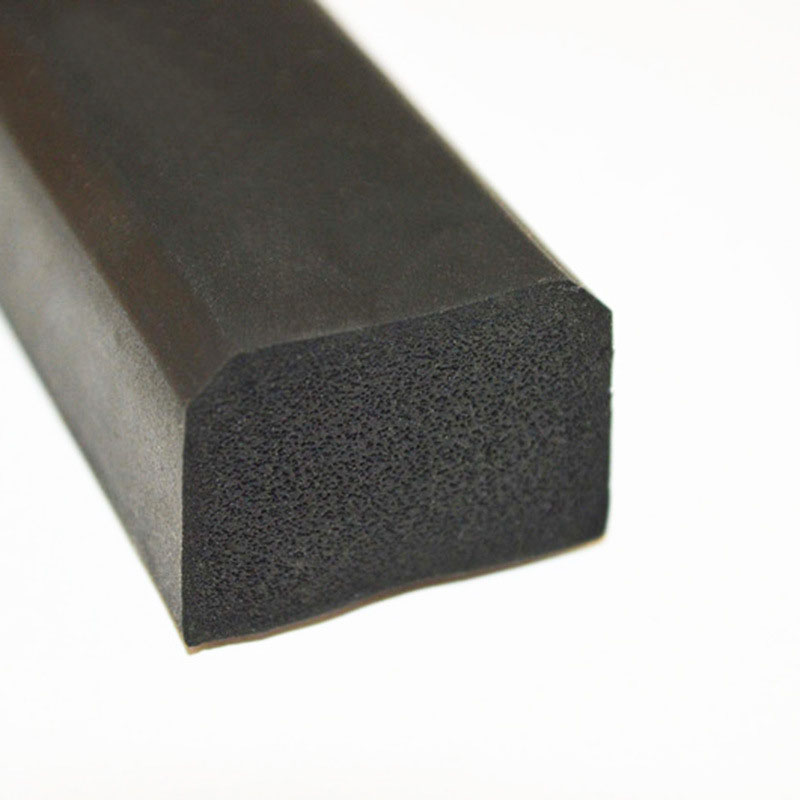
Square Sponge Rubber Extrusion

Sponge rubber extrusions are flexible profiles made by shaping sponge-like rubber materials into continuous lengths. These products often use EPDM, Neoprene, or Silicone because these materials resist weather, moisture, and chemicals.

Sponge rubber extrusions provide excellent sealing, cushioning, and insulation in many industries. Their soft structure allows them to compress and recover, which makes them ideal for filling gaps. For doors, windows, or machinery, rubber extrusions help block air, dust, and noise.

Key Features of Sponge Rubber Extrusions

Flexibility and Compression Recovery

Sponge rubber extrusions offer impressive flexibility. They can bend and twist without breaking. When compressed, these profiles return to their original shape. This property helps them fill gaps and maintain a tight seal. Many industries rely on this feature to prevent air, water, or dust from passing through joints and seams.

Weather and Moisture Resistance

Rubber extrusions resist harsh weather and moisture. Materials like EPDM and Neoprene do not absorb water easily. They also stand up to sunlight, ozone, and temperature changes. This resistance makes them suitable for outdoor use, such as around doors, windows, and equipment enclosures.

Lightweight and Durable Performance

These products are lightweight, which makes them easy to handle and install. Despite their low weight, they remain durable under pressure. They do not crack or crumble easily, even after repeated use. This combination of lightness and strength allows rubber extrusions to perform well in both small and large-scale projects.

Sound and Vibration Absorption

Sponge rubber extrusions provide exceptional vibration and shock absorption capabilities. They help reduce noise and dampen vibrations in machinery, vehicles, and buildings. This feature protects sensitive components and creates a quieter environment. Many industries use these profiles to improve comfort and safety.

Feature Benefit
Flexibility Easy installation, tight seal
Weather Resistance Long outdoor lifespan
Lightweight Simple handling
Vibration Absorption Noise and shock reduction

Types of Sponge Rubber Extrusions

Open Cell vs Closed Cell Sponge Rubber

Sponge rubber extrusions come in two main forms: open cell and closed cell. Open cell sponge rubber has tiny, interconnected pockets of air. This structure allows air and moisture to pass through. Open cell types work well for applications that need airflow or sound absorption. Closed cell sponge rubber, on the other hand, has sealed air pockets. This design blocks water, air, and dust. Closed cell profiles are often used for sealing and insulation because they resist moisture and weather.

Common Materials Used for Sponge Rubber Profiles

Different materials give rubber extrusions their unique properties. The most common options include EPDM, Neoprene, and Silicone.

EPDM Sponge Rubber

EPDM stands for Ethylene Propylene Diene Monomer. This material resists sunlight, ozone, and extreme temperatures. EPDM sponge rubber is often used for weatherstripping and outdoor seals. It stays flexible in both hot and cold conditions.

Neoprene Sponge Rubber

Neoprene sponge rubber offers good resistance to oil, chemicals, and weather. It is often used in industrial and automotive settings. Neoprene also provides solid cushioning and shock absorption.

Silicone Sponge Rubber

Silicone sponge rubber handles high temperatures and remains flexible at low temperatures. It is non-reactive and safe for many sensitive applications. Silicone is often used in food processing, medical devices, and electronics.

Each material brings its own strengths to rubber extrusions. Choosing the right type depends on the environment and the specific needs of the project.

How Are Sponge Rubber Extrusions Manufactured?


Rubber Compound Preparation

The manufacturing process begins with preparing the rubber compound. Technicians select raw materials such as EPDM, Neoprene, or Silicone. These materials are mixed with additives to improve flexibility, strength, and resistance to weather.

The mixture is blended in large machines until it forms a uniform compound. This step ensures that the final product will have consistent quality and performance.

Extrusion Forming Process

Once the compound is ready, it moves to the extrusion stage. The rubber mixture is fed into an extruder, which is a machine with a heated barrel and a rotating screw. The screw pushes the compound through a shaped die.

The die determines the profile or shape of the extrusion. As the material exits the die, it takes on the desired form, such as a strip, tube, or custom profile. This process allows manufacturers to create long, continuous lengths of rubber extrusions with precise dimensions.

  • The extrusion process can produce both open cell and closed cell profiles.
  • Different dies can create a wide range of shapes for various applications.

Vulcanization and Finishing

After forming, the extruded rubber passes through a vulcanization process. Vulcanization uses heat and sometimes chemicals to cure the rubber. This step strengthens the material and locks in its shape. The finished extrusion is then cooled and cut to the required length. Some products may receive additional finishing, such as adhesive backing or surface treatments, to meet specific needs.

Step Purpose
Compound Preparation Ensures material quality
Extrusion Forms the desired profile
Vulcanization Cures and strengthens rubber

The careful control of each stage results in rubber extrusions that meet strict industry standards for sealing, cushioning, and insulation.
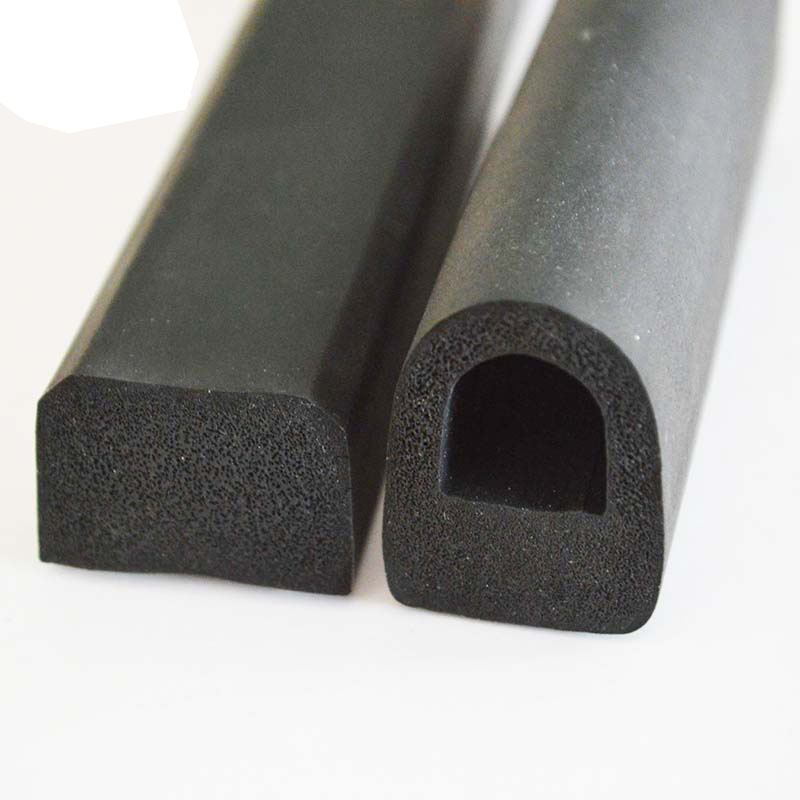
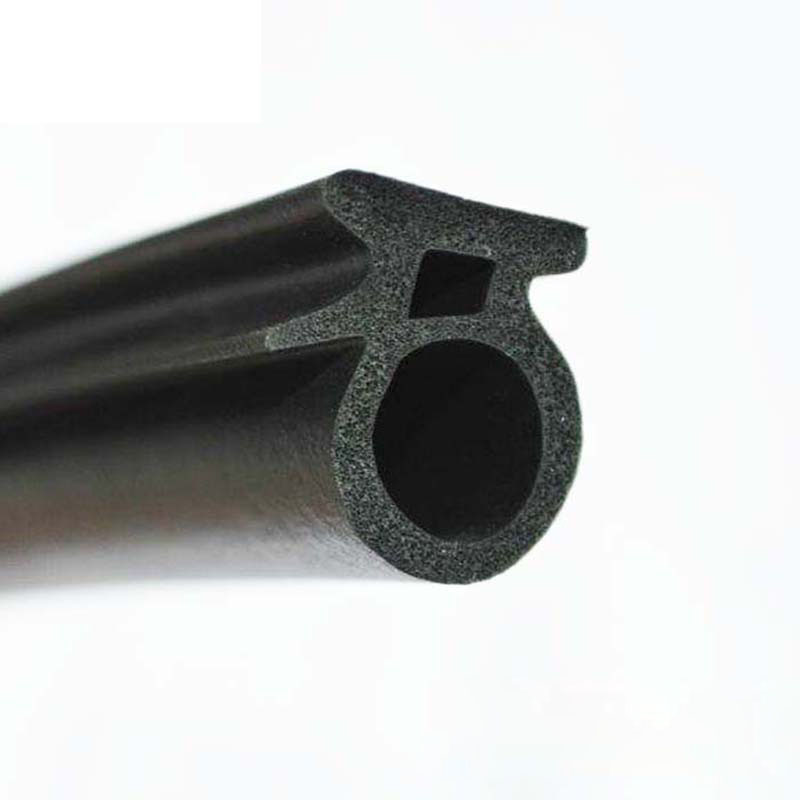
D Type Closed Cell Sponge Rubber Seal

Applications of Sponge Rubber Extrusions


Sealing and Gasketing

Sealing is one of the most common applications for sponge rubber extrusions. These products fill gaps between surfaces to block air, water, dust, and noise. Many doors and windows use rubber extrusions to create a tight seal. Gasketing in machinery and equipment also relies on these materials. The soft, compressible structure helps maintain sealing even when surfaces move or shift.

Automotive and Transportation Applications

The automotive industry uses sponge rubber in many ways. Sealing doors, trunks, and windows is essential for vehicle comfort and safety. These extrusions help prevent leaks and reduce road noise. They also protect against dust and moisture.

Rubber extrusions are common in the automotive industry because they are durable and flexible. Other transportation vehicles, such as trains and buses, use similar solutions for sealing and insulation.

Cushioning and Impact Protection

Sponge rubber extrusions provide cushioning in many settings. They absorb shocks and reduce impact damage. This makes them useful for packaging, sports equipment, and protective gear. The soft material helps protect both people and products from harm. Common applications for sponge rubber include padding for machinery and bumpers for furniture.

Electrical, Construction, and Industrial Applications

Rubber extrusions play a key role in electrical and construction projects. They insulate wires and cables, helping to prevent electrical shorts. In construction, these materials fill expansion joints and seal building panels. Many factories use sponge rubber extrusions to cushion equipment and reduce vibration. The HVAC industry uses sponge rubber for sealing ducts and improving energy efficiency.

Weatherproofing and Insulation

Weatherproofing is another important use for sponge rubber extrusions. These products block rain, wind, and temperature changes. They help keep buildings and vehicles comfortable and dry. Insulation properties also make them valuable in refrigeration and HVAC systems. By reducing heat loss and blocking drafts, they improve energy savings.

Custom Sponge Rubber Extrusion Solutions

Custom Shapes and Sizes

Many projects require sponge rubber extrusions in unique shapes or sizes. Manufacturers can create rubber profiles that fit specific gaps, corners, or surfaces. Some common custom shapes include D-profiles, P-strips, and hollow tubes. Custom sizing ensures a tight fit and better performance in sealing or cushioning tasks.

Examples of custom shapes:

    • Rectangular strips
    • Round cords
    • L-shaped profiles

Material and Hardness Options

Selecting the right material is important for the success of any project. Sponge rubber extrusions can be made from EPDM, NEOPRENE, or SILICONE. Each material offers different benefits, such as resistance to weather, chemicals, or heat. Hardness, measured by the Shore scale, affects how soft or firm the extrusion feels.

Material Key Benefit Typical Use
EPDM Weather resistance Outdoor seals
NEOPRENE Oil and chemical resistance Industrial gaskets
SILICONE High temperature tolerance Medical and food equipment

Choosing the right hardness ensures the extrusion compresses properly and returns to shape after use.

Adhesive Backing and Finishing Options

Some sponge rubber extrusions come with adhesive backing. This feature allows for quick and easy installation. Users can peel off the liner and press the extrusion into place. Other finishing options include surface coatings or color choices to match specific needs.

Common finishing options:

    • Pressure-sensitive adhesive
    • Custom colors
    • Surface texturing

Custom solutions make sponge rubber extrusions more versatile and effective for a wide range of applications.

Conclusion

Sponge rubber extrusions offer flexibility, durability, and strong resistance to weather. These profiles serve many roles in sealing, insulation, and cushioning. Their lightweight design and ability to absorb sound make them valuable in a wide range of applications. Many industries rely on these products to improve safety and comfort.
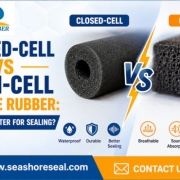
Closed-Cell vs Open-Cell Sponge Rubber For Sealing

Closed-Cell vs Open-Cell Sponge Rubber: Which Is Better for Sealing?

D Type Closed Cell Sponge Rubber Seal

Closed-cell sponge rubber offers strong sealing performance because it blocks moisture, air, and gas. This material creates a reliable barrier, making it ideal for most sealing jobs. Open-cell sponge rubber can work well in certain cases, such as when breathability is important.

Property Closed-Cell Sponge Rubber Open-Cell Sponge Rubber
Water Resistance Excellent Limited
Air Resistance Excellent Limited
Flexibility Good Excellent

Choosing the right sponge rubber depends on the sealing requirements and environment.

Closed-Cell Sponge Rubber Overview


Structure and Composition

Closed cell foam has a unique structure. Each cell is completely sealed off from its neighbors. This design prevents water, air, and vapor from passing through. The material is made by mixing rubber with a blowing agent. As the mixture expands, it forms tiny bubbles that stay closed. These bubbles give closed cell foam its strength and durability. The density of the foam can vary, which affects how firm or flexible it feels. Many industries use closed-cell sponge rubber because it can handle tough conditions.

Sealing Properties

Closed cell foam is known for its excellent sealing abilities. It blocks moisture, air, and vapor, making it ideal for environments where leaks must be prevented. When compressed, the foam forms a tight seal that keeps out unwanted elements. This property is especially important in applications like weatherstripping, gaskets, and insulation. Closed-cell sponge rubber works well in damp or harsh environments. It resists chemicals and temperature changes, so it stays effective over time. One of the key benefits of closed-cell sponge rubber is its ability to create a reliable barrier.

Pros and Cons

Closed cell foam offers many advantages:

  • High resistance to water, air, and vapor
  • Good durability and strength
  • Suitable for outdoor and industrial use
  • Maintains performance in extreme temperatures

However, there are some drawbacks:

  • Less flexible than open-cell types
  • Can be stiffer, which may limit use in some applications
  • Usually costs more than open-cell foam

Tip: Choose closed-cell sponge rubber when you need a strong seal against moisture or vapor. It performs best in areas exposed to water, chemicals, or changing weather.

Open-Cell Sponge Rubber Overview


Structure and Composition

Open cell foam has a structure filled with interconnected pores. These pores allow air and liquids to move freely through the material. The foam forms when rubber is mixed with a blowing agent. As the mixture expands, it creates open spaces between cells. This process gives open-cell sponge rubber its soft and flexible feel. The density of the foam can change based on how much blowing agent is used. Lower density means more air spaces and higher permeability. Higher density creates a firmer foam but still allows movement of air and moisture.

Sealing Properties

Open cell foam does not block water or air as well as closed-cell types. Its permeability lets air and moisture pass through the material. This property makes open-cell sponge rubber less effective for sealing against leaks. However, it works well in situations where breathability is needed. For example, open-cell sponge rubber can be used in filters, cushions, and soundproofing. The foam compresses easily and fits into tight spaces. It can seal out dust and larger particles, but it will not stop water or vapor. The permeability of open cell foam is a key factor in its performance.

Note: Open-cell sponge rubber is useful when airflow or moisture movement is important. It is not the best choice for sealing against water or gas.

Pros and Cons

Pros Cons
Excellent flexibility Limited water resistance
High breathability Not suitable for airtight seals
Lightweight Lower durability in wet environments
Easy to compress Higher permeability

The key benefits of open-cell sponge rubber include its softness and ability to allow air to flow. It is easy to shape and install. The foam is often less expensive than closed-cell types. On the downside, open cell foam cannot provide a strong seal against moisture or gas. Its permeability makes it less durable in harsh conditions. Choose open-cell sponge rubber for applications where flexibility and breathability matter most.

Sponge Rubber Properties for Sealing

Water and Air Resistance

Water and air resistance are two of the most important sponge rubber properties for sealing. Closed cell foam stands out in this area. Its structure forms a barrier that blocks water, air, and vapor from passing through. This makes closed cell foam the top choice for applications that need strong fluid protection. When compressed, it creates a tight seal that keeps out moisture and air. This is why closed-cell sponge rubber is often used in gaskets, weatherstripping, and insulation.

Open cell foam, on the other hand, has interconnected pores. These pores allow water and air to move through the material. As a result, open cell foam does not provide the same level of sealing performance. It can stop dust and larger particles, but it cannot block water or vapor. In situations where breathability is more important than blocking moisture, open cell foam may be useful. For example, it works well in filters or soundproofing panels.

Tip: For projects that require a barrier against water or air, closed cell foam is usually the better option.

Environmental and Chemical Resistance

Environmental and chemical resistance are also key sponge rubber properties for sealing. Closed cell foam resists harsh weather conditions, UV rays, and many chemicals. This makes it suitable for outdoor use and industrial environments. Closed-cell sponge rubber maintains its shape and sealing ability even when exposed to oils, fuels, or cleaning agents. Its weather resistance helps it last longer in tough conditions.

Open cell foam does not offer the same level of protection. Its open structure absorbs water and chemicals, which can lead to faster breakdown. It is not recommended for environments with high moisture or chemical exposure. However, open cell foam can perform well indoors or in dry areas where chemical resistance is not a priority.

Note: Closed cell foam is the preferred choice for sealing in harsh or changing environments.

Durability and Flexibility

Durability and flexibility are important when choosing between closed cell foam and open cell foam. Closed cell foam is dense and strong. It can handle repeated compression without losing its shape. This durability makes it ideal for seals that need to last a long time. Closed-cell sponge rubber can withstand heavy use and still provide a reliable barrier.

Open cell foam is softer and more flexible. It compresses easily and fits into tight spaces. This flexibility is useful for cushioning or sound absorption. However, open cell foam does not have the same durability as closed cell foam. It can wear out faster, especially in wet or harsh environments.

Property Closed Cell Foam Open Cell Foam
Water Resistance High Low
Air Resistance High Low
Chemical Resistance High Low
Durability High Moderate
Flexibility Moderate High

Choosing the right material depends on the specific needs of your project. Closed cell foam offers better protection and durability, while open cell foam provides more flexibility.

Closed Cell Sponge Rubber Profile 01

Application Scenarios

When to Use Closed-Cell Sponge Rubber

Closed cell foam works best in places where you need a strong barrier. It stops water, air, and vapor from passing through. Many people use it for weatherstripping, gaskets, and insulation. These products protect homes and vehicles from leaks and drafts. Closed cell foam also resists chemicals and temperature changes. It stays strong in outdoor and industrial settings. If you need a seal that lasts and keeps out moisture, closed cell foam is a smart choice. Common applications of closed-cell sponge rubber include sealing windows, doors, and machinery.

Tip: Closed cell foam is ideal for environments with high humidity or exposure to chemicals.

When to Use Open-Cell Sponge Rubber

Open-cell sponge rubber is useful when you want air or moisture to move through the material. It works well in cushions, filters, and soundproofing panels. The foam compresses easily and fits into tight spaces. It can stop dust and larger particles, but it will not block vapor or water. Open-cell sponge rubber is often used indoors or in dry areas. Common applications of open-cell sponge rubber include padding, acoustic panels, and air filters. If you need flexibility and breathability, open-cell sponge rubber is a good option.

  • Use open-cell sponge rubber for:
    • Sound absorption
    • Air filtration
    • Lightweight padding

Note: Open-cell sponge rubber is not suitable for sealing against vapor or water.

Cost and Other Considerations

Cost plays a role in choosing the right sponge rubber. Open-cell sponge rubber usually costs less than closed cell foam. It is easier to shape and install. Closed cell foam offers better protection but may be more expensive. Think about the environment and the level of sealing you need. If you want a strong barrier against vapor, closed cell foam is worth the investment. For projects where breathability matters, open-cell sponge rubber is the better choice.

Factor Closed Cell Foam Open-Cell Sponge Rubber
Price Higher Lower
Protection Strong Moderate
Flexibility Moderate High

Choosing the right sponge rubber depends on your sealing needs, environment, and budget.

Conclusion

Closed-cell sponge rubber stands out as the best option for sealing because it resists moisture, air, and gas. It works well in harsh or wet environments. Open-cell sponge rubber can be useful when breathability is needed. Consider the demands of your project before choosing a material. Matching the right sponge rubber to your application ensures the best results.

FAQ

What is the main difference between closed-cell and open-cell sponge rubber?

Closed-cell sponge rubber has sealed cells that block water and air. Open-cell sponge rubber has connected pores that let air and moisture pass through. This difference affects how each type performs in sealing applications.

Can open-cell sponge rubber be used outdoors?

Open-cell sponge rubber does not resist water well. It absorbs moisture and breaks down faster outside. For outdoor sealing, closed-cell sponge rubber is a better choice.

Which type of sponge rubber is best for soundproofing?

Open-cell sponge rubber works well for sound absorption. Its structure traps sound waves and reduces noise. Closed-cell sponge rubber is less effective for this purpose.

Is closed-cell sponge rubber flexible enough for tight spaces?

Closed-cell sponge rubber offers moderate flexibility. It can fit into many gaps, but open-cell sponge rubber is softer and easier to compress into tight spots.

How do I choose the right sponge rubber for my project?

Consider the environment, sealing needs, and budget. Use closed-cell sponge rubber for strong barriers against water and air. Choose open-cell sponge rubber when you need flexibility or breathability.