How Long Do Rubber Seals Last? Service and Shelf Life Guide
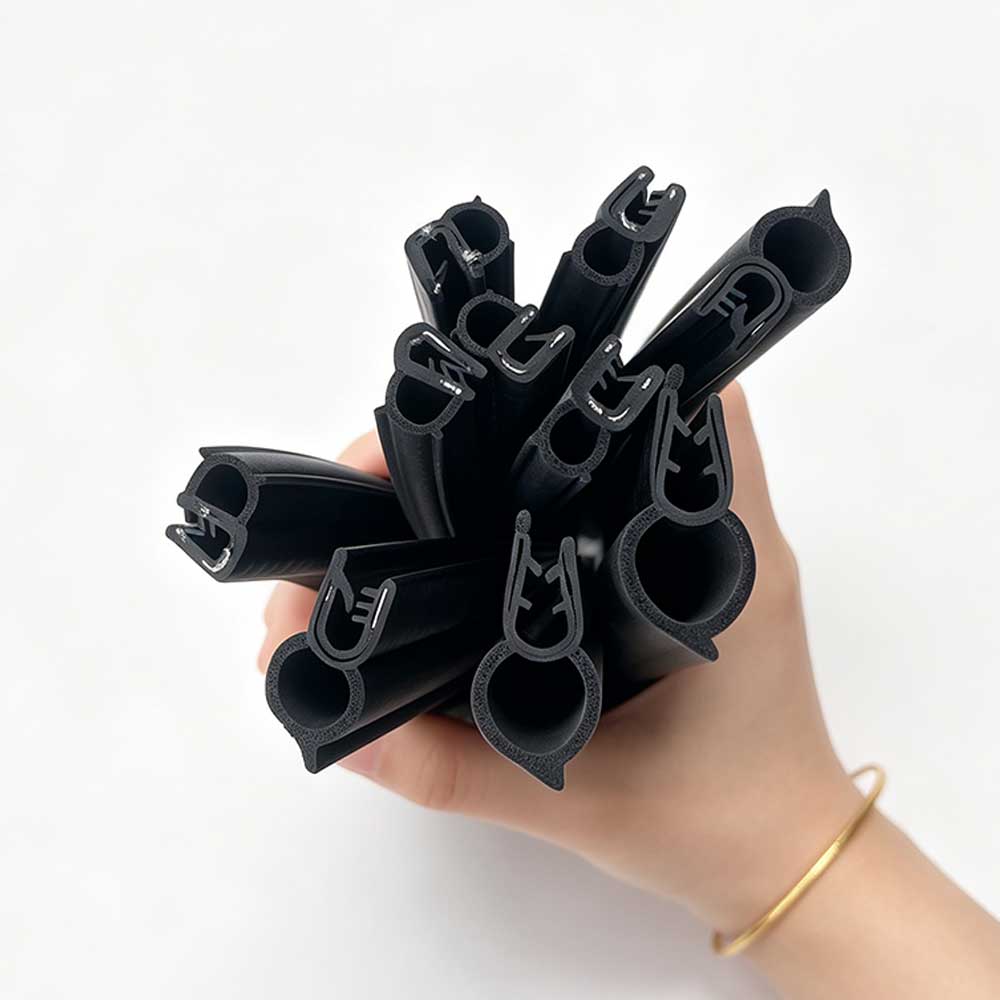
Rubber seals do not have one fixed lifespan. Seals held in storage can remain suitable for years when packaged and stored correctly, while installed seals may need replacement much sooner—or remain effective much longer—depending on the material, fluid, temperature, movement, pressure, and seal design. Shelf life describes the period before installation; service life describes performance in the application. Neither number should be used as a universal replacement date.
If you need to decide whether existing seals can stay in service, inspect their condition and review operating history. If you are selecting new seals, start with the fluid and temperature, then consider whether the joint is static or moving.
What Affects Rubber Seal Lifespan?
The compound matters, but it cannot predict lifespan on its own. Two seals made from NBR may age differently when one seals mineral oil in a protected housing and the other faces sunlight or hot cleaning chemicals. Even seals with the same nominal material can differ because of formulation, hardness, cure system, geometry, and installation.
| Factor | Effect on seal life | What to check |
|---|---|---|
| Material and fluid | Incompatible fluids can cause swelling, softening, hardening, or loss of strength. | Exact fluid, concentration, additives, and cleaning agents |
| Temperature | Sustained heat accelerates aging; cold may reduce flexibility and sealing force. | Normal temperature, peaks, and thermal cycling |
| Motion and duty cycle | Sliding or rotation adds friction and wear that static joints do not experience. | Static, reciprocating, or rotary motion; operating hours and speed |
| Pressure and hardware | Pressure spikes, excessive clearance, rough surfaces, or misalignment can damage seals. | Pressure range, groove dimensions, shaft finish, and runout |
| Environment and storage | UV, ozone, oxygen, heat, and deformation can age seals before or after installation. | Exposure, packaging, stock rotation, and storage conditions |
There is no reliable formula that turns these factors into a single number of years for every rubber seal. Published temperature limits and compatibility charts help narrow material choices, but the finished compound must be checked under the actual operating conditions.
Rubber Seal Shelf Life: Storage Before Installation
Shelf life is the time a seal remains suitable for use while stored under specified conditions. It is not a promise that the seal will last for the same number of years after installation. ISO 2230:2026 provides guidelines for inspection, records, packaging, and storage of rubber products. SAE AS5316 covers storage of elastomer seals and seal assemblies before assembly into hardware. Follow the standard and revision specified by your customer or industry, along with the seal manufacturer’s instructions.
A material name alone does not establish the usable shelf life of every finished seal. Storage requirements, packaging, date coding, compound details, and inspection criteria all matter. Avoid applying a shelf-life table to installed seals or assuming that a part becomes unusable automatically on a calendar date. Where the applicable procedure allows continued storage after inspection, assess the parts against that procedure rather than extending dates by assumption.
For practical stock control, record the manufacturer’s date code, keep seals in suitable packaging, and follow the applicable stock-rotation procedure. Store them away from direct light, heat, ozone sources, and unnecessary strain. Do not hang O-rings stretched over hooks or compress profiles for long periods. Inspect stored parts before use for cracks, permanent deformation, tackiness, hardening, or other visible changes.
Rubber Seal Service Life by Application
Once installed, seals encounter a different set of conditions. A static gasket in a protected enclosure may see little mechanical wear, while a reciprocating rod seal is exposed to repeated sliding and pressure cycles. A rotary lip seal also depends on shaft condition, lubrication, speed, and heat at the contact surface. These applications cannot share one meaningful replacement interval.
| Application | Main life-limiting conditions | Better way to set an interval |
|---|---|---|
| Static enclosure or flange seals | Compression relaxation, fluid exposure, and environmental aging | Inspect during planned maintenance and after leaks or process changes |
| Outdoor weather seals | Sunlight, ozone, temperature cycling, and compression | Check sealing contact, cracks, and permanent flattening |
| Hydraulic rod and piston seals | Wear, contamination, pressure spikes, and extrusion | Track operating hours, leakage, and equipment condition |
| Rotary shaft seals | Shaft finish, runout, speed, lubricant, and contact temperature | Use equipment maintenance history and shaft inspection |
| Food-processing seals exposed to cleaning cycles | Cleaning chemistry, temperature, and repeated cycles | Validate material compatibility and inspect after defined cycles |
Service-life figures from another plant or machine can provide context, but they are not transferable without matching the material, design, and operating conditions. Replacement plans should account for the consequence of leakage as well as observed wear: seals in hard-to-access or critical equipment often justify closer monitoring and planned replacement.
How Seal Materials Affect Lifespan
No rubber material lasts longest in every application. A material that resists outdoor weather may perform poorly in petroleum oil; one suited to hot oil may be unsuitable for a particular steam or cleaning process. The following are general selection directions, not compound approvals.
| Material | Often considered for | Check carefully before use with |
|---|---|---|
| NBR (nitrile) | Many mineral oils, fuels, and general hydraulic applications | Outdoor ozone exposure, hot water, and specific additives or solvents |
| EPDM | Weather exposure, water, and some steam or glycol applications | Petroleum oils, fuels, and greases |
| FKM (fluoroelastomer) | Many oils and fuels at elevated temperatures | Hot water, steam, amines, and specific chemicals; performance varies by grade |
| Silicone (VMQ) | Wide temperature ranges and weather exposure in suitable static designs | Abrasive dynamic contact and chemicals outside the selected grade’s compatibility |
| HNBR | Selected oil, heat, and wear applications | Specific fluids and temperature requirements |
| Polyurethane (PU) | Wear-resistant dynamic sealing in suitable hydraulic systems | Hot water, steam, and conditions that may cause hydrolysis |
Compatibility depends on the exact compound and fluid, including concentration and temperature. Do not use the table as a substitute for compound data, immersion testing, or application trials. PTFE is sometimes offered as an alternative sealing material, but it is a fluoropolymer rather than rubber and behaves differently under compression.
Learn More About Rubber Materials Here
Common Causes of Premature Seal Failure
Premature failure is often a system problem rather than a simple material defect. These are the patterns to investigate first:
- Swelling or softening: Possible fluid incompatibility, including exposure to additives or cleaners that were overlooked during selection.
- Hardening or surface cracks: Possible thermal aging, ozone exposure, or chemical attack. The crack pattern and service history help identify the cause.
- Permanent flattening and leakage: Loss of sealing force can result from compression set, heat, or an unsuitable gland design.
- Nicks, extrusion, or torn edges: Installation damage, excessive clearance, pressure spikes, or unsupported seals may be involved.
- Uneven wear: Check alignment, surface finish, contamination, lubrication, and movement before fitting a replacement.
A failed seal should be examined alongside its mating parts. Replacing rubber without correcting a rough shaft, unsuitable groove, or incompatible cleaning agent may simply repeat the failure.
Estimating Service Life for Your Equipment
Begin with the actual operating conditions rather than a generic life claim. Document the seal profile and compound, fluid and additives, continuous and peak temperatures, pressure and cycling, motion, operating hours, and the condition of the mating surfaces. Ask the manufacturer for compound-specific compatibility and performance information when the service is demanding.
Next, use maintenance records from the same equipment or a closely comparable duty to set an initial inspection interval. Inspect a representative seal before the expected failure point and record leakage, wear, cracking, dimensional change, or loss of sealing force. Adjust the interval based on what you find. Changes to fluids, cleaning procedures, temperature, speed, or hardware should trigger a fresh review.
Accelerated-aging data can support engineering decisions, but a simple rule such as “every 10°C halves seal life” is not a universal calculator. Aging behavior depends on the material, failure mechanism, and temperature range; friction and chemical exposure can change the result. Do not turn a laboratory estimate into a guaranteed replacement date without application evidence.
Signs Rubber Seals Need Replacing
Inspect seals when leakage increases, maintenance reveals damage, or the equipment’s operating conditions change. Look for visible cracks, cuts, torn lips, extrusion, excessive wear, and permanent distortion. Changes in hardness, swelling, or stickiness can provide further clues, although appearance alone does not prove that a seal will perform correctly.
For accessible installations, compare used parts with new parts of the same specification and examine the shaft, groove, and contact surface. If the seal is difficult to remove without damage, rely on operating symptoms and a planned maintenance procedure rather than assuming a brief visual check is enough. In critical applications, use the inspection and replacement criteria required by the equipment or industry specification.
Conclusion
Rubber seal lifespan is an application-specific result, not a fixed property of “rubber.” Separate storage life from service life, match the compound to the actual fluid and temperature, inspect the sealing system, and set replacement intervals from operating evidence. That approach gives buyers and maintenance teams a more useful answer than a single unqualified number of years.


Leave a Reply
Want to join the discussion?Feel free to contribute!