
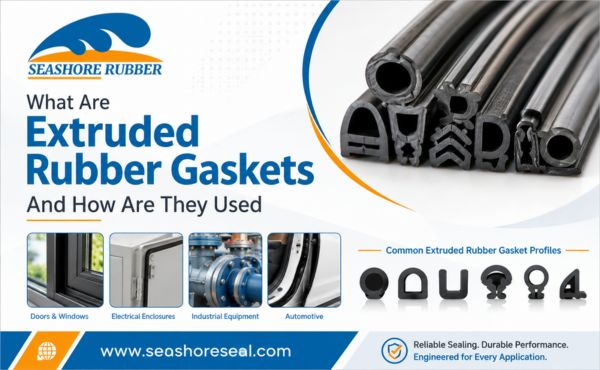
What Are Extruded Rubber Gaskets And How Are They Used
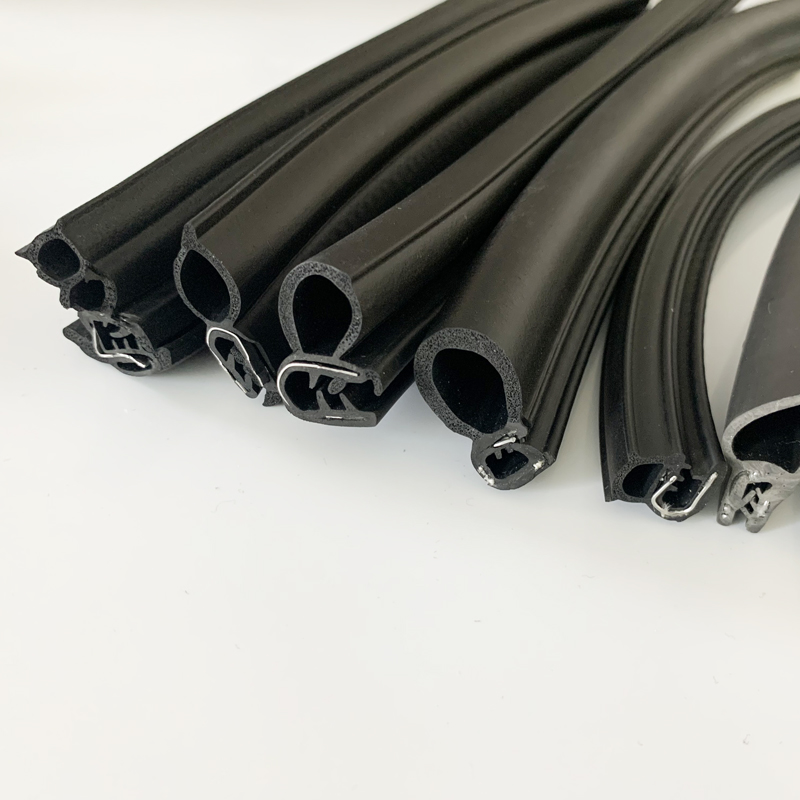
What Are Extruded Rubber Gaskets?
Extruded rubber gaskets serve as continuous sealing solutions with a uniform cross-section. The extrusion process pushes uncured rubber through a die. This method produces long, uninterrupted lengths. These gaskets function as static seals between flat surfaces. They also work in dynamic settings. Engine parts and rotating shafts rely on them for consistent performance. A rubber gasket of this type maintains its shape along the entire run.
Material Options and Properties
The choice of gasket material determines performance. Each compound offers distinct characteristics. EPDM rubber resists weathering and ozone exposure. It handles outdoor applications well. Neoprene provides balanced resistance to oil and temperature. Silicone handles extreme temperatures with flexibility. Nitrile excels in fuel and oil resistance.
Selecting the right gasket material requires careful evaluation. Temperature range matters significantly. Chemical exposure changes material behavior. Compression set affects long-term sealing ability. Hardness influences how the gasket compresses under pressure. A softer compound conforms to irregular surfaces. A harder compound resists extrusion under high pressure. The right gasket material also resists aging and environmental stress.
The table below summarizes common material options:
| Material | Key Strength | Typical Use |
|---|---|---|
| EPDM | Weather and ozone resistance | Outdoor enclosures, window seals |
| Neoprene | Balanced oil and temperature resistance | Industrial equipment |
| Silicone | Wide temperature range | Electronics, food processing |
| Nitrile | Fuel and oil resistance | Automotive applications |
Each gasket material brings trade-offs. A compound that resists oil may weaken in sunlight. A material that handles heat may stiffen in cold. Manufacturers formulate blends to balance competing needs. They adjust fillers and plasticizers to fine-tune properties. The final compound must match the operating environment. These seals must also withstand repeated compression cycles.
Gasket Profiles and Custom Shapes
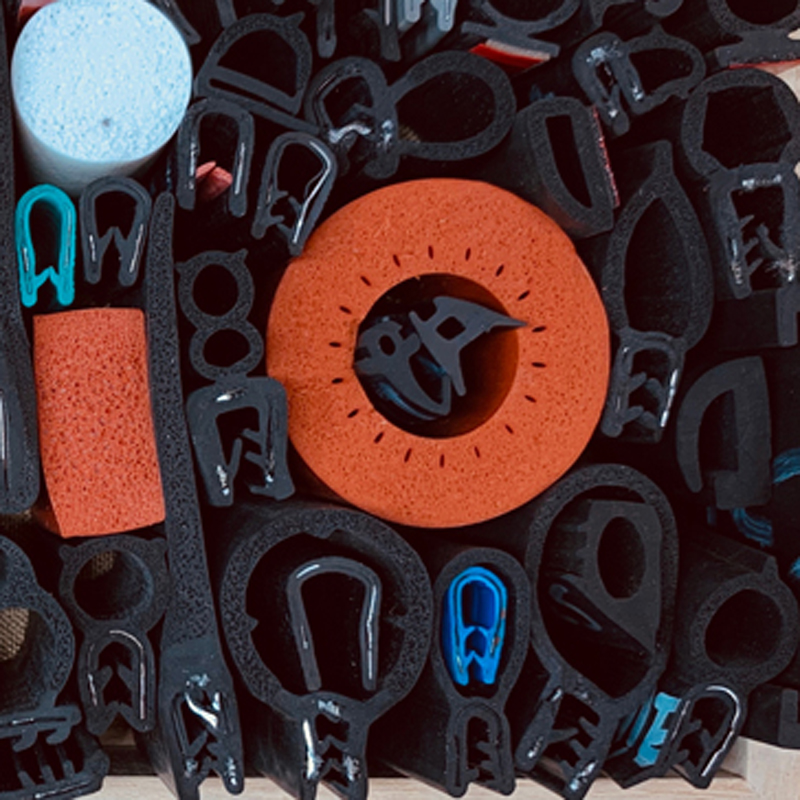
The die determines the gasket profile. A die creates the exact cross-section shape. Simple profiles include flat strips and round cords. Complex profiles feature multiple sealing lips that act as independent seals. Hollow shapes provide compressibility with less force. Custom shapes match specific grooves or channels.
Common profile categories include:
- Solid profiles for basic compression sealing
- Hollow or cellular profiles for low-force sealing
- P-shaped profiles for edge protection
- Custom geometries with multiple sealing points
The profile design affects how each gasket performs. A hollow profile compresses easily. It requires less clamping force. A solid profile offers greater resistance. It suits high-pressure applications. The cross-section must match the gap dimension. Proper sizing prevents over-compression or under-sealing.
Custom extrusion dies allow unique shapes. Engineers design profiles for specific applications. They consider the mounting surface. They account for the compression range. They factor in the expected service life. A well-designed profile distributes stress evenly. It maintains contact pressure across the entire surface.
The extrusion process accommodates various sizes. Small profiles measure a fraction of an inch. Large profiles span several inches. Wall thickness varies with the application. Tighter tolerances require more precise control. The die wear affects dimensional accuracy over time.
These gaskets serve many applications across industries. Their continuous nature suits long sealing runs. Splicing creates closed loops for gaskets that require them. The versatility of materials and profiles makes them adaptable. Designers select the combination that meets each requirement. Extruded rubber gaskets deliver reliable performance in demanding environments.
How Extruded Rubber Gaskets Are Manufactured
The Extrusion Process Step by Step
Manufacturing begins with compound preparation. Raw rubber mixes with curing agents, fillers, and plasticizers. The mixture forms a uniform material. This material feeds into the extruder machine. The process creates continuous lengths of extruded rubber gaskets.
The process follows several steps:
- Material feeding: The uncured rubber compound enters the extruder hopper. A rotating screw moves the material through a heated barrel. Heat softens the compound for shaping.
- Die shaping: The softened rubber reaches the die. The die contains an opening with the desired cross-section. Rubber forces through this opening. The material takes the exact profile shape. The rubber gasket emerges as a continuous length.
- Profile take-off: A conveyor carries the extruded profile away. The conveyor speed matches the extrusion rate. This control maintains dimensional accuracy. The profile remains uncured at this stage.
The rubber extrusion process produces long runs of consistent material. These gaskets maintain uniform dimensions. Lengths can extend hundreds of feet. Quality checks ensure the dimensions match the specification.
Curing, Splicing, and Finishing
The extruded profile requires curing after shaping. Curing, or vulcanization, creates cross-links between polymer chains. Heat transforms the soft compound into a durable elastomer. The gasket material gains its final properties. Temperature and time control the curing outcome. Methods for curing gaskets include hot air ovens, continuous vulcanization, and microwave systems. Each method provides different heating profiles. Hot air ovens work well for simple profiles. Continuous vulcanization systems handle complex shapes. Microwave curing offers fast processing for certain compounds. The finished seals offer reliable performance.
Finishing operations prepare these seals for their intended use. Common finishing options include:
- Cutting to length: Machines cut the continuous profile into individual pieces. Precision cutting ensures proper fit during installation. Customers specify exact lengths for their assembly.
- Splicing: This process creates closed-loop shapes. Heat and pressure bond the ends together. The splice forms a continuous seal. This method works well for gaskets that require complete perimeter sealing.
- Adhesive backing: A pressure-sensitive adhesive layer attaches to the gasket material. A liner protects the adhesive until installation. The adhesive holds the gasket in place during assembly.
These finishing steps tailor each gasket for specific applications. Each method adds value to the basic extruded profile. Manufacturers control every stage to deliver reliable gaskets. These seals meet demanding performance requirements.
Common Applications for Extruded Gaskets
Extruded rubber gaskets appear in nearly every industry that requires sealing against air, water, dust, or vibration. Their continuous lengths and customizable profiles make them practical for many environments. Manufacturers select these components when they need reliable performance at a reasonable cost. The following sections explore the most common applications across major sectors.
Sealing in Automotive and Construction
Automotive manufacturing relies heavily on extruded rubber gaskets. Vehicle doors use these seals to block wind noise and rainwater. Trunk compartments depend on them to keep moisture away from cargo areas. Cabin enclosures require continuous seals around windows and roof panels. Each vehicle contains dozens of these protective components. They prevent drafts that would otherwise enter the passenger compartment. They also reduce road noise that travels through body panel gaps.
Construction projects use rubber sealing products in different ways. Window frames need gaskets that accommodate thermal expansion. Curtain wall systems employ them to create weather barriers across building facades. Precast concrete panels use compression seals at their joints. These gaskets handle movement from wind loads and temperature changes. They maintain their sealing pressure over decades of service.
The choice of gasket material matters greatly in both sectors. Automotive seals face ozone, UV radiation, and temperature swings. Construction seals encounter similar outdoor exposure plus occasional chemical contact. EPDM compounds serve both industries well. This material resists weathering without breaking down. It remains flexible at freezing temperatures. It also holds up under intense summer heat.
Several specific applications demonstrate the versatility of these seals:
- Door and window weatherstripping for vehicles and buildings
- Trunk and hatch seals that protect cargo areas
- Roof gutter seals for recreational vehicles
- Expansion joint seals for bridges and parking structures
- Glazing gaskets that hold glass panels in place
Each application demands a different profile shape. A hollow bulb profile works well for compression sealing. A solid wedge shape suits edge protection roles. The profile must match the gap it fills. Proper installation ensures the gasket compresses to the correct degree.
Industrial and Electronic Enclosures
Industrial environments present harsh conditions for sealing components. Pumps require gaskets that resist chemical attack from process fluids. Engine compartments need seals that tolerate high temperatures and oil exposure. Compressors depend on gaskets that maintain airtight seals under pressure changes. These applications push gasket materials to their limits.
Nitrile rubber handles fuel and oil contact effectively. This compound suits automotive engines and industrial machinery. Neoprene offers balanced resistance for general industrial use. Silicone handles extreme temperatures in specialized equipment. Each gasket material serves a distinct purpose. Engineers match the compound to the specific operating conditions.
Electronic enclosures demand protection from dust and moisture. Control cabinets house sensitive components that fail when contaminated. Outdoor telecommunications equipment faces rain, humidity, and temperature extremes. These enclosures use extruded seals around their access doors and cable entries. The gaskets create a barrier that keeps contaminants out. They also provide electromagnetic interference shielding when combined with conductive materials.
Food processing facilities require seals that withstand frequent washdowns. These gaskets resist cleaning chemicals and hot water. They prevent bacterial growth in crevices. Pharmaceutical manufacturing uses similar seals in cleanroom environments. The gaskets must not leach compounds into products. Silicone and EPDM meet these strict requirements.
Conclusion
Extruded rubber gaskets deliver continuous, die-formed sealing solutions across countless industries. These versatile components offer custom profiles, diverse material options, and cost efficiency for high-volume production runs. Their ability to block moisture, dust, and vibration makes them essential in automotive, construction, and industrial settings.
Selecting the right gasket requires careful evaluation. Consider temperature ranges, chemical exposure, compression set, and hardness requirements. Each factor influences material choice and profile design. A proper match ensures reliable performance and extended service life.
Consult a rubber manufacturer for custom extrusion solutions. Their expertise helps identify the optimal compound and cross-section for your specific application. The right seals prevent failures, reduce maintenance costs, and protect valuable equipment.
FAQ
How Long Do Extruded Rubber Gaskets Last?
Service life depends on material choice and environmental conditions. EPDM compounds resist weathering for decades outdoors. Nitrile seals degrade faster under UV exposure. Temperature extremes accelerate aging in any compound. Regular inspection helps identify wear before failure occurs. Most manufacturers provide expected lifespan data for their specific formulations.
Can Extruded Gaskets Be Spliced Into Closed Loops?
Yes. Manufacturers bond cut ends using heat and pressure. This process creates a continuous perimeter seal. The splice joint maintains most of the original material strength. Proper splicing technique prevents weak points. Closed-loop gaskets work well for doors, lids, and access panels. The splice area requires careful quality inspection.
How Do I Choose the Right Gasket Material?
Match the compound to your operating environment. Consider temperature range, chemical exposure, and compression requirements. EPDM suits outdoor weathering. Nitrile handles fuel contact. Silicone performs across extreme temperatures. Consult a manufacturer with your application details. They will recommend the optimal formulation for your specific conditions.
What Applications Benefit Most from Extruded Seals?
Long straight runs suit extrusion perfectly. Automotive weatherstripping, window glazing, and enclosure sealing all benefit. These seals handle dust, moisture, and vibration control effectively. Applications requiring complex three-dimensional shapes may need molded alternatives instead. Evaluate your geometry before selecting the manufacturing method.


Leave a Reply
Want to join the discussion?Feel free to contribute!