Rubber Seal Storage and Shelf Life: Preventing Degradation
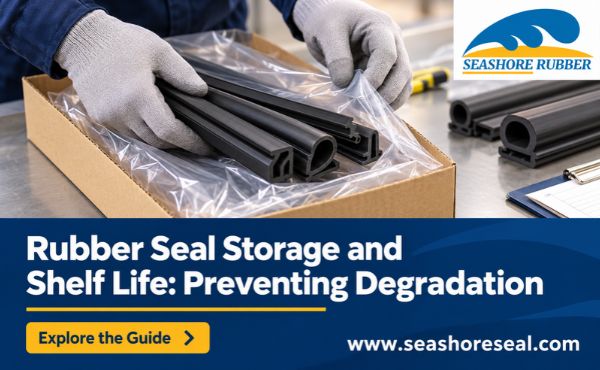
Rubber seal storage and shelf life depend on the compound, product construction, packaging, and environmental exposure before installation. To prevent degradation, seals should remain clean, protected from heat and light, and free from unnecessary stretching or compression. No single storage period applies to every rubber product.
For equipment manufacturers, maintenance teams, and distributors, effective storage protects the properties needed for reliable installation and sealing. Clear storage instructions, batch identification, and inspection procedures help prevent damaged or unsuitable stock from reaching production.
Rubber Seal Shelf Life and Service Life
Shelf life describes the permitted storage period before installation under specified conditions. Service life concerns performance after installation, when seals encounter compression, movement, operating fluids, and temperature changes.
| Term | Meaning | Main limitation |
|---|---|---|
| Shelf life | Permitted storage period before installation | Depends on specified storage and acceptance conditions |
| Service life | Functional life during operation | Depends on material compatibility, loading, design, and operating conditions |
| Inspection review date | Scheduled point for assessing stored stock | Does not automatically indicate failure or authorize continued storage |
Storage approval does not establish remaining service life. Correctly stored seals may fail quickly in incompatible fluids, while older unused stock may remain acceptable under the governing requirements. Published shelf-life charts must therefore be read alongside their assumptions rather than treated as universal expiry tables.
Main Causes of Rubber Degradation During Storage
Heat, Light, and Atmospheric Exposure
Rubber can harden, soften, crack, or develop surface damage before entering service. Heat, oxygen, ozone, light, and humidity can contribute, although different compounds respond differently.
Direct sunlight creates combined exposure to ultraviolet radiation and radiant heat. Stock beside windows or beneath poorly insulated roofs may experience conditions that differ considerably from the general warehouse temperature.
Ozone is particularly harmful to susceptible elastomers under tension. Profiles held in tight bends or seals stretched over storage fixtures may be more vulnerable than products stored in relaxed conditions.
Mechanical Stress and Loss of Shape
Storage damage can occur without obvious chemical deterioration. Heavy cartons may flatten hollow bulbs, tight bindings may leave indentations, and undersized reels may distort sealing lips.
These changes matter because sealing depends on controlled contact geometry. Profiles that no longer recover to their intended shape may fit poorly or develop uneven compression after installation.
Material Differences and Shelf-Life Limits
Polymer Type and Compound Formulation
Polymer type influences storage stability, but finished compounds also contain curing systems, fillers, processing aids, and protective additives. Materials sold under the same broad designation can therefore have different storage requirements.
Manufacturer guidance confirms that recommended periods vary with formulation and actual storage conditions. Generic material charts are useful for initial planning, but product-specific instructions should control stock management.
Descriptions such as “weather resistant” or “heat resistant” do not remove storage requirements. Resistance under defined service conditions does not mean that uncontrolled storage is acceptable.
Adhesives, Joints, and Composite Construction
The complete product may have limitations beyond those of the base rubber.
| Product construction | Additional storage consideration |
|---|---|
| Solid rubber profiles | Surface condition, dimensional stability, and distortion |
| Sponge rubber seals | Crushing and recovery of the cellular structure |
| Adhesive-backed strips | Adhesive aging, release liner condition, and bonding performance |
| Joined sealing frames | Joint integrity and deformation around corners |
| Rubber-to-metal assemblies | Corrosion and condition of bonded interfaces |
For example, adhesive-backed EPDM strips cannot automatically use the storage period assigned to unbonded EPDM. The adhesive or release liner may impose an earlier limit.
Storage Conditions for Rubber Seals
Temperature and Humidity Control
Use the temperature and humidity limits specified for the product. Published recommendations differ, so limits from separate documents should not be combined into an assumed universal standard.
The practical objective is stable indoor storage without localized heating or condensation. Position stock away from radiators, hot pipes, direct sunlight, and areas where heat accumulates.
Monitor the actual storage location where conditions vary. Readings near office doors may not represent upper shelving or external walls. Where packages arrive cold, follow approved handling procedures before opening them in warm, humid surroundings.
Protection from Light and Ozone
Closed cartons and suitable opaque packaging provide practical protection from light. Transparent bags may control contamination while offering limited protection from ultraviolet exposure.
Keep stock away from equipment capable of generating ozone. Electrical discharge equipment, certain lamps, and nearby industrial processes require particular attention when selecting storage locations.
Protective packaging helps reduce exposure but does not compensate for excessive temperatures. Seals inside bags still become hot when the surrounding environment becomes hot.
Separation from Chemicals
Avoid storage beside open containers of solvents, fuels, oils, or cleaning chemicals. Accidental contact or vapor exposure can affect compounds that are incompatible with those substances.
Manufacturer guidance commonly recommends protective bags and outer containers to reduce contamination and environmental exposure. Packaging materials must also suit the rubber and its intended application.
Packaging and Deformation Prevention
Straight Lengths and Coiled Profiles
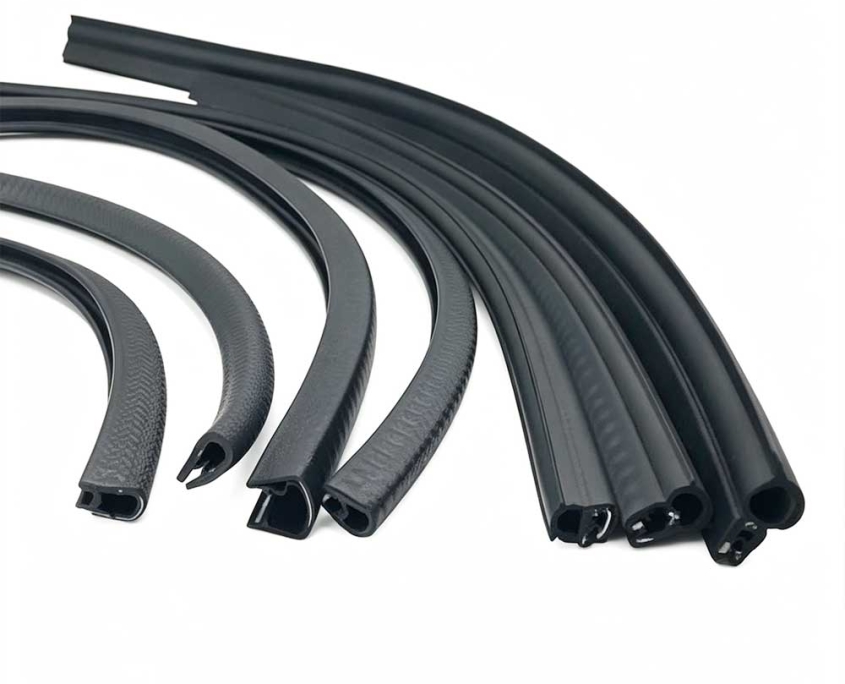
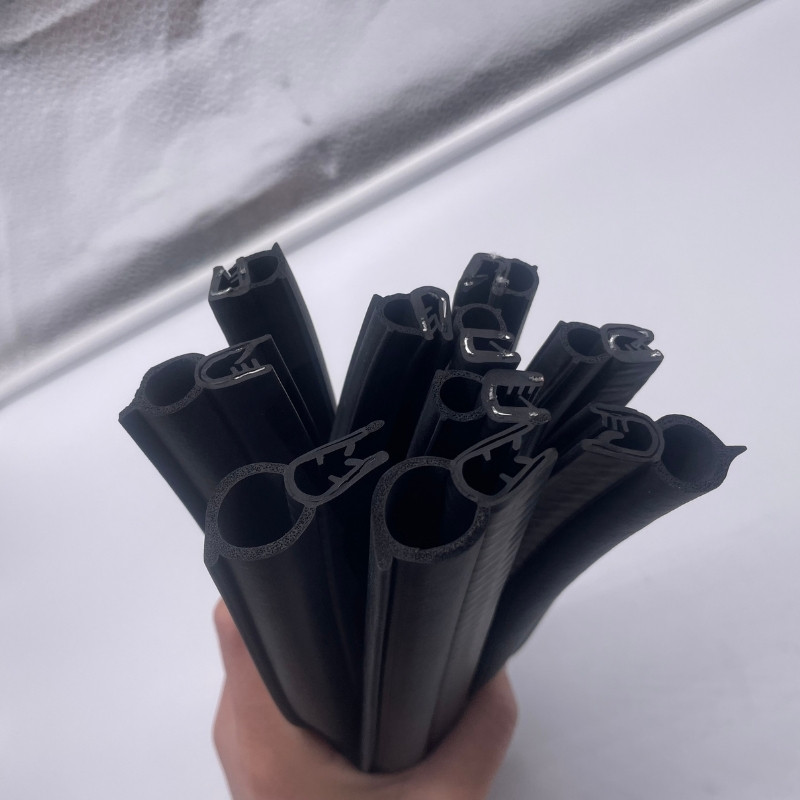
Store seals in relaxed conditions wherever practical. Flexible extrusions may tolerate broad coils, while stiffer sections may require straight support. Follow supplier instructions for reel diameter and packaging orientation.
Avoid bends that collapse hollow sections or turn sealing lips inward. One reel size may suit certain profiles while damaging others with thicker walls, reinforced sections, or more complex geometry.
Allow adequate support during handling as well as storage. Dragging long profiles across rough floors or lifting heavy coils by individual sections can introduce damage before installation.
Boxed and Partially Used Stock
Packaging should prevent external loads from reaching functional surfaces. Supports or dividers may be needed where cartons contain delicate lips, hollow bulbs, or preformed frames.
Reseal partially used packages and preserve their identification. When dividing batches into smaller containers, transfer the original part number, compound, batch details, and applicable dates.
Do not apply protective oils, powders, waxes, or sprays unless approved. Such treatments may interfere with adhesive bonding, cleanliness requirements, or later contact with process fluids.
Inventory Rotation and Batch Traceability
Rotation by Approved Dates
Where batches have different expiry or review dates, issue stock according to the earliest approved date. Simple receipt-order rotation may be insufficient when newly received goods have earlier manufacturing dates.
Where no expiry date applies, follow the organization’s defined rotation procedure. Avoid keeping excessive quantities of low-demand parts without reviewing future requirements.
Repacking does not restart shelf life. Moving stock into new bags improves protection but does not reverse previous exposure or change manufacturing history.
Identification and Storage Records
Retain part numbers, drawing revisions, compound identification, batch numbers, and manufacturing or cure dates where supplied. Receipt dates should be recorded separately because they indicate warehouse arrival rather than product age.
Records should also identify applicable storage instructions, review dates, and any known packaging damage or environmental excursions. This information supports targeted assessment instead of treating every package identically.
Manufacturer packaging practices commonly include lot identification, cure dates, drawing revisions, and shelf-life information, reinforcing the importance of preserving original labels.
Inspection and Release of Stored Seals
Initial Condition Checks
Begin with identification and records, then inspect the packaging and rubber. Pay particular attention to products exposed to uncertain conditions, damaged packaging, or extended storage.
The initial inspection should cover:
- Surface condition: Cracks, cuts, contamination, unusual tackiness, or changes from approved references.
- Shape and recovery: Flattened bulbs, distorted lips, permanent bends, or damaged cellular sections.
- Assembly features: Joint integrity, adhesive liners, bonded interfaces, and supporting metal components.
Surface deposits require careful interpretation. Some compounds develop bloom as ingredients migrate to the surface. Pale deposits do not automatically indicate failure, but their effect on sealing or bonding must be assessed before cleaning or acceptance.
Technical Assessment and Release
Visual inspection cannot establish every relevant property. Depending on the concern, additional assessment may include dimensions, hardness, recovery, joint strength, or functional performance.
Accept stock when records and condition satisfy approved criteria. Hold uncertain stock for investigation, and reject products with damage that prevents acceptable use.
Do not extend storage approval simply because seals remain flexible. Any extension should follow the governing specification and an authorized technical assessment.
Frequently Asked Questions
Can rubber seals be stored in refrigerators?
Refrigeration is generally unnecessary unless specified for the product. It can create condensation and handling problems during transfers between cold and warm environments. Follow the approved storage conditions instead.
Can washing restore degraded seals?
Approved cleaning can remove certain contaminants. It cannot reverse cracking, chemical aging, or permanent deformation. Clean appearance alone does not demonstrate suitability for service.
Should spare seals be installed before equipment enters storage?
Installed seals may remain compressed or contact lubricants for extended periods. Follow the equipment preservation procedure because installed storage conditions differ from those of relaxed, packaged spare parts.
Is hardness testing sufficient for older stock?
No. Acceptable hardness does not rule out damaged surfaces, distorted dimensions, weak joints, or poor recovery. Testing should address the application and the suspected deterioration.
Can unopened packages be accepted without inspection?
Unopened packaging helps preserve condition, but it does not confirm correct storage history. Identification, applicable dates, package integrity, and any known environmental exposure still require review.
Conclusion
Rubber seal storage and shelf life depend on the complete product, its packaging, and its exposure history. Material charts provide useful guidance, but compound-specific instructions and acceptance criteria should govern release.
Protect stock from environmental exposure and deformation, preserve batch identification, and assess questionable products before installation. Consistent storage management helps retain usable inventory and reduces sealing problems caused by deterioration before service.


Leave a Reply
Want to join the discussion?Feel free to contribute!