What is Rubber Extrusion? Key Insights and Applications
Rubber Extrusion Overview
What is Rubber Extrusion
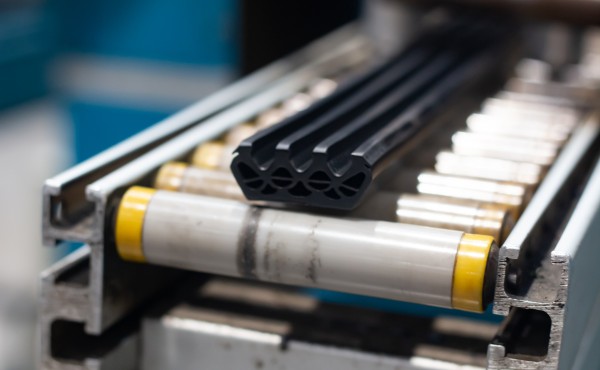
Rubber extrusion is a process that shapes rubber into long pieces with a fixed cross-section. This method uses a machine to push soft rubber through a specially designed opening called a die. The die gives the rubber its final shape as it comes out. The process can create many different profiles, such as tubes, strips, or seals. Rubber extrusion is important because it allows manufacturers to make parts that are flexible, strong, and consistent in size.
The process starts with raw rubber, which is often mixed with other materials to improve its properties. The rubber is then heated and pressed through the die. As the rubber leaves the die, it cools and hardens into its final form. This method is used to make products that need to be both durable and flexible.
Note: Rubber extrusion is different from molding. Molding shapes rubber inside a closed space, while extrusion pushes rubber through an open die to form continuous lengths.
Key Terms
Understanding rubber extrusion involves knowing some important terms:
- Die: The die is a metal tool with a specific shape cut into it. The rubber passes through the die, which gives it its final profile.
- Extruder: This is the main machine used in the process. It heats and pushes the rubber through the die.
- Compound: A compound is a mix of raw rubber and other ingredients. These ingredients can include fillers, colorants, and chemicals that change the rubber’s properties.
- Profile: The profile is the shape of the rubber’s cross-section after it leaves the die. Common profiles include round tubes, flat strips, and custom shapes.
- Curing (Vulcanization): Curing is a step where the rubber is heated to make it stronger and more elastic. This step often happens after the rubber leaves the die.
- Continuous Length: Rubber extrusion creates products in long, unbroken pieces. These can be cut to the needed size later.
| Term | Meaning |
|---|---|
| Die | Tool that shapes the rubber as it exits the extruder |
| Extruder | Machine that pushes and heats the rubber |
| Compound | Mixture of rubber and additives |
| Profile | The cross-sectional shape of the extruded rubber |
| Curing | Heating process that strengthens the rubber |
| Continuous Length | Long, unbroken piece produced by extrusion |
Learning these terms helps make the rubber extrusion process easier to understand. Each part of the process and every tool has a specific role in creating high-quality rubber products.
Rubber Extrusion Process
The rubber extrusion process transforms raw materials into finished products with precise shapes. This section explains the materials used, the machinery involved, and each step in the process.
Materials
Rubber Compounds
Rubber compounds form the base of the rubber extrusion process. Manufacturers blend natural or synthetic rubber with other substances to improve performance. These compounds can include fillers, which add strength, and plasticizers, which make the rubber softer. The choice of compound depends on the product’s requirements. For example, some compounds resist heat, while others stay flexible in cold conditions.
Tip: The right rubber compound ensures the final product meets its intended use.
Additives
Additives play a key role in the rubber extrusion process. They change the properties of the rubber to suit different needs. Common additives include:
- Colorants: Give the rubber its color.
- Antioxidants: Protect the rubber from aging.
- Curing agents: Help the rubber harden during vulcanizing.
- Reinforcing agents: Increase strength and durability.
Manufacturers select additives based on the product’s application. Additives help create rubber that lasts longer and performs better.
Machinery
Extruder Parts
The extruder is the main machine in the rubber extrusion process. It has several important parts:
| Part | Function |
|---|---|
| Hopper | Holds and feeds the rubber compound |
| Screw | Moves and mixes the rubber |
| Barrel | Heats the rubber as it travels |
| Die | Shapes the rubber into its final profile |
| Cooling System | Cools the rubber after extrusion |
The screw rotates inside the barrel, pushing the rubber forward. The barrel heats the rubber, making it soft and ready for shaping.
Die Design
Die design is crucial in the rubber extrusion process. The die determines the shape and size of the final product. Engineers create dies with different openings to produce various profiles, such as tubes, strips, or custom shapes. The die must be strong and precise to ensure consistent results.
Note: A well-designed die helps prevent defects and ensures the rubber comes out with the correct shape.
Process Steps
Feeding
Feeding is the first step in the rubber extrusion process. Workers load the rubber compound into the hopper. The hopper directs the material into the screw, which starts moving it forward.
Shaping
Shaping happens as the rubber travels through the barrel. The barrel heats the rubber, making it soft and easy to form. The screw mixes and kneads the rubber, ensuring an even texture. The rubber then passes through the die, which gives it its final profile. This step is where the extrusion process creates continuous shapes.
Vulcanizing
Vulcanizing is a key stage in the rubber extrusion process. The rubber is heated with curing agents, which cause chemical changes. These changes make the rubber stronger, more elastic, and resistant to wear. Vulcanizing can happen inside the extruder or after the rubber leaves the die, depending on the product.
Cooling
Cooling is the last step in the rubber extrusion process. The rubber exits the die and enters a cooling system, often using water or air. Cooling hardens the rubber and locks in its shape. Workers may cut the cooled rubber into desired lengths.
Callout: Each step in the rubber extrusion process is important for creating high-quality products.
The rubber extrusion process uses careful material selection, precise machinery, and well-defined steps to produce reliable and flexible rubber profiles. This method allows manufacturers to create products that meet strict standards for strength and durability.
Rubber Extrusion Products
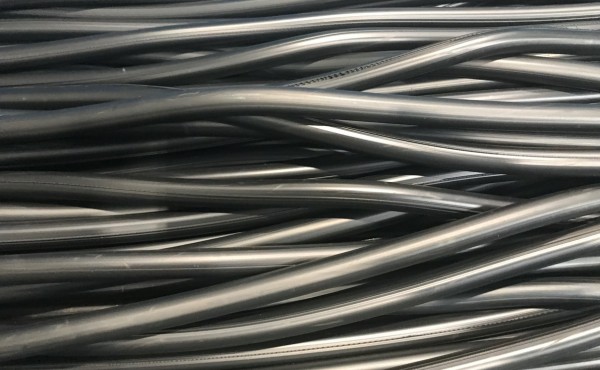
Rubber extrusion creates many useful items for different industries. These items are called extruded rubber products. They come in many shapes and sizes. Each shape serves a special purpose. Below are some common profiles made by this process.
Common Profiles
Seals
Seals are one of the most popular extruded rubber products. They keep out water, air, dust, and noise. Many doors and windows use seals to block drafts. Seals also protect machines from leaks. The shape of a seal depends on where it will be used. Some seals are round, while others have a flat or complex profile.
Tubes
Tubes are another common type of extruded rubber products. These tubes carry liquids or gases. Factories use them in machines. Cars use them for fuel and air lines. Tubes can be thick or thin. The size and material depend on what the tube will carry. Tubes must be strong and flexible.
Weatherstripping
Weatherstripping helps keep buildings comfortable. It fills gaps around doors and windows. This stops cold air from coming in and warm air from escaping. Weatherstripping also blocks rain and insects. Many homes and offices use this type of extruded rubber product. It comes in rolls or strips that are easy to install.
Custom Shapes
Some projects need custom rubber extrusions. These are special shapes made for unique jobs. Engineers design custom shapes for equipment, vehicles, or tools. Custom extruded rubber parts solve problems that standard profiles cannot. They may have grooves, holes, or unusual curves.
Tip: Custom shapes allow companies to get exactly what they need for their products.
Uses in Manufacturing
Automotive
Rubber extrusion plays a major role in the automotive industry. Many car parts rely on extruded rubber profiles for performance and safety. Door seals keep out wind and rain. Window channels help glass move smoothly. Engine gaskets prevent leaks and protect vital components. Tubes carry fluids such as coolant and fuel. These parts must withstand heat, vibration, and exposure to chemicals. Manufacturers choose rubber compounds that resist wear and last for years.
Tip: Reliable seals and gaskets help cars run quietly and safely.
Automotive factories use rubber extrusion to produce parts in large quantities. The process creates consistent shapes that fit tightly. Custom profiles solve unique challenges, such as sealing complex door frames or protecting wires. Extruded rubber parts help vehicles stay comfortable, efficient, and durable.
Construction
Construction projects depend on extruded rubber products for many tasks. Weatherstripping fills gaps around doors and windows. This keeps buildings warm in winter and cool in summer. Expansion joints absorb movement in bridges and sidewalks. Glazing seals hold glass panels in place. These products must handle changes in temperature, moisture, and pressure.
- Weatherstripping improves energy efficiency.
- Expansion joints prevent cracks in concrete.
- Glazing seals keep glass secure.
Builders use rubber extrusion because it produces flexible and strong profiles. Custom shapes fit unusual spaces or meet special requirements. Rubber parts help protect buildings from water, air, and noise. They also make structures safer and more comfortable.
| Construction Use | Example Product |
|---|---|
| Doors & Windows | Weatherstripping |
| Bridges & Sidewalks | Expansion Joints |
| Glass Installation | Glazing Seals |
Electronics
Electronics manufacturers rely on extruded rubber for protection and insulation. Cable grommets shield wires from damage. Protective covers keep dust and moisture away from sensitive parts. Insulating strips prevent electrical shorts. These products must be precise and reliable.
Rubber extrusion allows for custom profiles that fit tightly around cables and connectors. The process produces parts that resist heat and chemicals. Electronics factories use rubber to make devices safer and longer-lasting.
Note: Protective covers and grommets help electronics work in tough environments.
Extruded rubber profiles support many electronic devices, from computers to appliances. They keep components safe and ensure smooth operation.
Medical
Rubber extrusion plays a vital role in the medical field. Many devices and tools in hospitals and clinics rely on extruded rubber parts. These components must meet strict standards for safety and cleanliness. The process allows manufacturers to create products that are both flexible and durable.
One of the most common uses is medical tubing. Tubes made from extruded rubber transport fluids, gases, or medications. They appear in devices such as IV lines, catheters, and respiratory equipment. Medical tubing must be smooth inside to prevent blockages and easy to sterilize. The extrusion process creates long, continuous tubes with consistent quality.
Seals and gaskets are also important in medical equipment. These parts prevent leaks in devices that handle liquids or air. For example, seals keep syringes airtight and help pumps work properly. Rubber extrusion allows for custom shapes, so seals fit tightly and perform well under pressure.
Medical devices often require protective covers and bumpers. These parts shield sensitive equipment from damage during use or transport. Extruded rubber profiles can absorb shocks and reduce noise. They also help keep devices stable on surfaces.
Note: Medical-grade rubber must be free from harmful chemicals and easy to clean. Manufacturers use special compounds that meet health and safety rules.
A variety of medical products use extruded rubber parts:
- IV tubing and connectors
- Catheters
- Seals for pumps and valves
- Protective bumpers for equipment
- Gaskets in diagnostic machines
The table below shows some examples of how extruded rubber is used in medical settings:
| Medical Product | Purpose |
|---|---|
| IV Tubing | Delivers fluids to patients |
| Catheter Tubes | Drains or introduces fluids |
| Pump Seals | Prevents leaks in devices |
| Equipment Bumpers | Protects machines from impact |
| Diagnostic Gaskets | Seals sensitive instruments |
Rubber extrusion helps the medical industry by providing reliable, safe, and custom solutions. The process supports patient care by making sure devices work smoothly and safely.
FAQ
What is the main purpose of rubber extrusion?
Rubber extrusion shapes rubber into continuous profiles. Manufacturers use this process to create parts like seals, tubes, and strips for many industries.
How does rubber extrusion differ from rubber molding?
Rubber extrusion pushes rubber through a die to form long shapes. Rubber molding places rubber in a closed mold to create three-dimensional parts.
Can rubber extrusion produce custom shapes?
Yes. Engineers design dies to create unique profiles. Custom shapes help meet specific needs in automotive, construction, and medical applications.
How are extruded rubber products tested for quality?
Manufacturers check profiles for shape, strength, and flexibility. Quality control ensures each part meets standards and performs as expected.
Can extruded rubber withstand extreme temperatures?
Many rubber compounds resist heat and cold. Additives help improve temperature resistance, making extruded rubber suitable for harsh environments.


 Where to find quality EPDM Rubber Cord Companies in China
Leave a Reply
Want to join the discussion?Feel free to contribute!