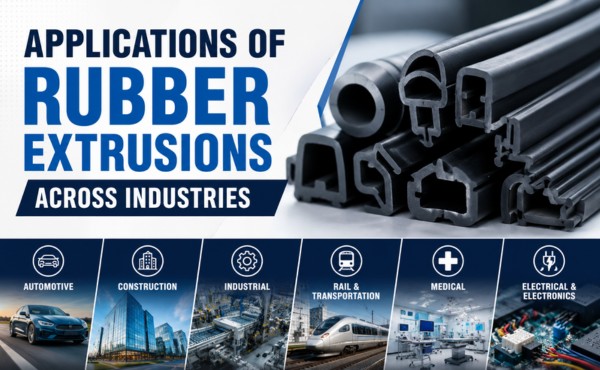
Applications of Rubber Extrusions Across Industries
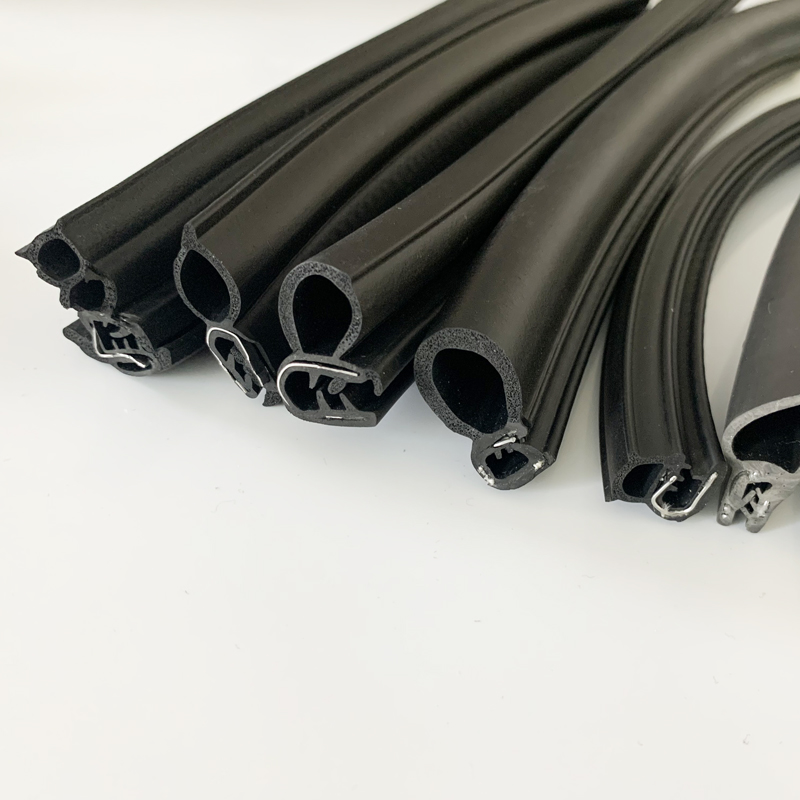
Rubber extrusions are used in almost every major industry. From automotive door seals to industrial equipment protection, these rubber profiles help improve sealing, insulation, vibration control, and product durability. Their flexibility and material versatility make them suitable for both indoor and outdoor environments.
Manufacturers use rubber extrusions because they can be produced in continuous lengths, customized into different shapes, and designed to match specific application requirements. Whether the goal is weather sealing, noise reduction, or edge protection, extruded rubber profiles offer a practical and cost-effective solution.
What Are Rubber Extrusions?
Rubber extrusions are shaped profiles created by pushing rubber through a specially designed die. This process forms continuous lengths with specific cross-sections. These profiles serve many purposes, such as sealing, insulating, and protecting. The extrusion process allows manufacturers to produce shapes that fit unique requirements. Rubber extrusions are found in many industries, including automotive, construction, and healthcare.
Manufacturing Process
The extrusion process begins with raw rubber material. Workers feed the rubber into an extruder machine. The machine uses a screw to push the rubber through a heated barrel. The rubber moves toward a die, which gives the material its final shape. After exiting the die, the rubber profile cools and hardens. Some profiles may go through additional steps, such as cutting or adding adhesive backing. The extrusion process can create many shapes, including tubes, strips, and custom profiles.
Tip: The extrusion process allows for quick production of long, continuous profiles. This makes it ideal for applications that need consistent shapes and sizes.
Key Properties
Rubber extrusions offer several important properties. Durability helps them resist wear and tear. Flexibility allows them to bend and fit around corners or uneven surfaces. Customizability means profiles can match specific needs. The extrusion process lets manufacturers adjust the hardness, color, and shape of the rubber. These properties make rubber extrusions suitable for harsh environments and demanding applications.
- Durability: Withstands extreme temperatures and chemicals.
- Flexibility: Fits many shapes and surfaces.
- Customizability: Meets unique design requirements.
A table below shows how extrusion properties benefit different industries:
| Property | Benefit in Industry |
|---|---|
| Durability | Protects against weather |
| Flexibility | Reduces vibration and noise |
| Customizability | Fits specialized equipment |
Rubber extrusions play a key role in many products. The extrusion process ensures profiles meet strict standards for performance and quality.
Applications of Extruded Rubber Seals
Extruded rubber seals are essential in many industries. These seals provide effective sealing solutions for doors, windows, and equipment. They help protect against moisture, dust, and vibration. The following sections describe common applications of extruded rubber seals in key industries.
Automotive
The automotive industry relies on extruded rubber seals for many purposes. Door seals keep water and wind out of vehicles. Window seals prevent leaks and reduce noise inside the cabin. Weatherstrips protect against dust and improve comfort. Extruded rubber seals also help absorb vibration and noise from the road. These seals withstand extreme temperatures and chemicals found in vehicles. They offer excellent sealing properties for doors, windows, and trunks.
Note: Extruded rubber seals in the automotive industry improve safety and extend the life of vehicles.
Construction
The construction industry uses extruded rubber seals for doors, windows, and expansion joints. Door seals block drafts and moisture. Window seals keep out rain and wind. These seals help buildings stay energy efficient. Extruded rubber seals also protect against vibration and noise from outside. They are used in curtain walls, glazing systems, and roofing. The flexibility of rubber extrusions allows them to fit many shapes and sizes.
- Common applications:
- Door seals for exterior and interior doors
- Window seals for glazing and frames
- Expansion joint seals for bridges and floors
Rail and Transportation
Rail and transportation systems need extruded rubber seals for passenger doors, windows, and cargo compartments. Door seals keep trains and buses quiet and comfortable. Window seals protect against weather and vibration. Extruded rubber seals reduce noise from tracks and engines. They also prevent dust and water from entering vehicles. These seals must withstand heavy use and harsh environments.
| Application | Benefit |
|---|---|
| Passenger door seals | Reduce vibration and noise |
| Window seals | Block wind and moisture |
| Cargo compartment | Protect against dust and water |
Industrial Machinery
Industrial machinery depends on extruded rubber seals for effective sealing solutions. Door seals protect control panels and enclosures. Extruded rubber seals keep out dust, oil, and chemicals. They help with vibration absorption in heavy machinery. These seals also reduce noise and prevent leaks in hydraulic systems. The durability of rubber extrusions makes them ideal for harsh industrial environments.
Tip: Extruded rubber seals in industrial machinery improve performance and reduce maintenance costs.
Medical and Healthcare
Medical and healthcare equipment uses extruded rubber seals for protection and hygiene. Door seals keep medical devices clean and safe. Extruded rubber seals protect sensitive equipment from moisture and contaminants. Window seals are used in laboratory enclosures and clean rooms. These seals must meet strict standards for cleanliness and durability. The flexibility of rubber extrusions allows for custom shapes and sizes.
- Applications of extruded rubber seals in healthcare:
- Door seals for medical device enclosures
- Window seals for laboratory equipment
- Protective seals for diagnostic machines
Marine
The marine industry uses extruded rubber seals for boats, ships, and offshore equipment. Door seals keep cabins dry and comfortable. Window seals protect against saltwater and wind. Extruded rubber seals prevent leaks and reduce vibration and noise dampening. These seals withstand harsh marine environments, including UV exposure and saltwater corrosion. Rubber extrusions offer custom profiles for hatches, doors, and windows.
Alert: Marine industry relies on extruded rubber seals for safety and durability in extreme conditions.
Extruded rubber seals provide effective sealing solutions across many industries. Their durability, flexibility, and customizability make them suitable for demanding applications. The applications of extruded rubber seals help solve challenges like vibration, noise, and environmental resistance.
How to Choose the Right Rubber Extrusions for Your Application
Selecting the right rubber extrusion profiles is important for product performance and durability. Each application has unique needs. Careful evaluation helps ensure the best fit.
Consider Environmental Conditions
Start by thinking about where the rubber extrusion profiles will be used. Some environments have high temperatures, while others have exposure to chemicals or UV light. Outdoor settings may require profiles that resist weather and sunlight. Indoor applications might need profiles that block dust or moisture. Understanding these conditions helps you choose rubber extrusion profiles that last longer and perform better.
Tip: Always match the profile’s resistance to the environment for maximum protection.
Select the Correct Rubber Material
The material of rubber extrusion profiles affects their strength and flexibility. Common materials include EPDM, silicone, and nitrile. Each material has special properties. For example, EPDM works well in outdoor settings because it resists sunlight and ozone. Silicone handles high temperatures. Nitrile is good for oil and fuel resistance. Choosing the right material ensures the rubber extrusion profiles meet your needs.
Profile Design and Dimensions
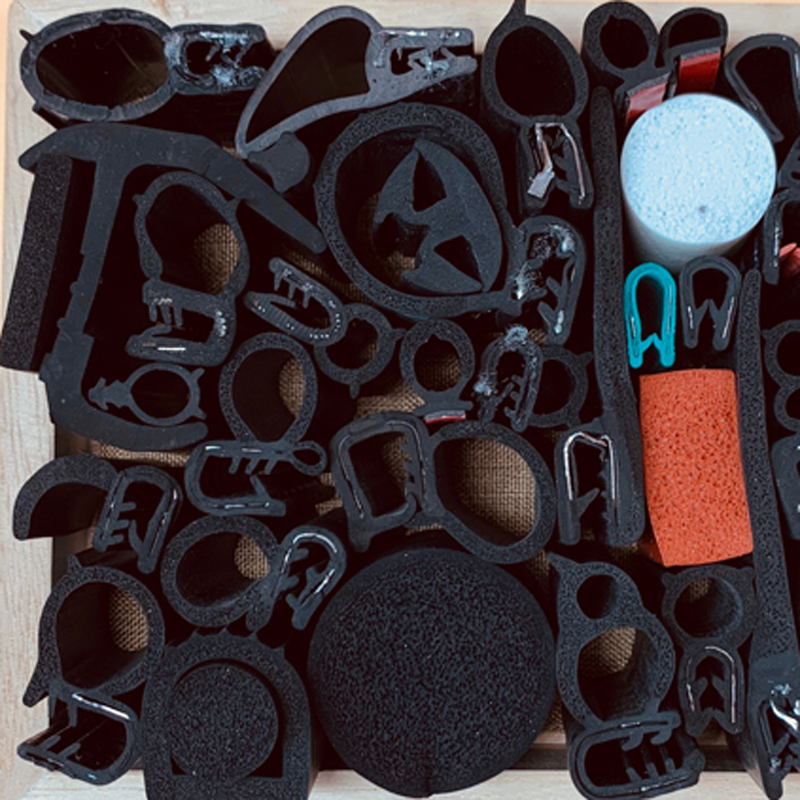
The shape and size of rubber extrusion profiles must fit the equipment or structure. Measure the space where the profile will go. Check the width, height, and thickness. Some applications need simple shapes, while others require complex designs. Custom rubber extrusion profiles can be made for special projects. Accurate measurements help prevent leaks and gaps.
| Profile Feature | Why It Matters |
|---|---|
| Shape | Matches sealing surfaces |
| Size | Ensures tight fit |
| Thickness | Affects durability and seal |
Adhesive Backing and Custom Features
Some rubber extrusion profiles come with adhesive backing. This feature makes installation faster and easier. Custom features like color, hardness, or special coatings can also be added. These options help the profiles meet specific requirements. High-quality rubber extrusion profiles often include these custom features for better performance.
Note: Work with trusted suppliers to get rubber extrusion profiles that match your exact needs.
Choosing the right rubber extrusion profiles involves careful planning. Consider the environment, material, design, and any special features. This approach leads to better results and longer-lasting seals.
Benefits of Custom Rubber Extrusions
Improved Product Performance
Custom extrusions help products work better. They create tight seals that block water, dust, and air. This keeps equipment safe and working longer. Many industries need seals that fit perfectly. Custom profiles match the exact shape of doors, windows, or machines. This reduces leaks and improves energy efficiency. When seals fit well, they also lower noise and vibration. Better performance means fewer repairs and less downtime.
Faster Installation
Custom shapes make installation easier and quicker. Workers do not need to cut or adjust standard profiles. Each piece fits right where it belongs. This saves time during assembly. Fast installation also means less labor is needed. Projects finish sooner, and equipment can start working faster. In busy industries, every minute counts. Custom extrusions help teams meet tight deadlines.
Tip: Pre-applied adhesive backing can make installation even faster and cleaner.
Cost Savings for OEM Manufacturers
Original Equipment Manufacturers (OEMs) can save money with custom extrusions. When parts fit perfectly, there is less waste. Fewer mistakes happen during assembly. This lowers the cost of materials and labor. Custom profiles can also reduce the need for extra tools or fasteners. Over time, these savings add up. OEMs can offer better products at lower prices.
| Benefit | Impact on OEMs |
|---|---|
| Less material waste | Lower production costs |
| Fewer assembly errors | Higher product quality |
| Faster installation | Increased output |
Support for Specialized Industry Requirements
Some industries have strict rules for safety and performance. Custom extrusions can meet these special needs. For example, medical devices need seals that are easy to clean. Rail and marine equipment require profiles that resist harsh weather. Custom options allow for different colors, hardness, and coatings. This flexibility helps companies follow industry standards. It also supports new designs and innovations.
Custom rubber extrusions offer many advantages. They improve how products work, speed up installation, and lower costs. They also help meet unique industry needs.
Conclusion
Rubber extrusions are essential components across automotive, construction, industrial, marine, transportation, electrical, and medical industries. Their ability to provide sealing, insulation, vibration control, and environmental protection makes them suitable for a wide range of applications.
Choosing the correct rubber material and profile design is important for long-term performance. Whether the application requires weather resistance, oil resistance, or high-temperature stability, custom rubber extrusions can be designed to meet specific operational requirements.
FAQ
What are the main uses of rubber extrusions?
Rubber extrusions seal, insulate, and protect equipment in many industries. They appear in doors, windows, machines, and vehicles. These profiles help block water, dust, and noise.
How do I select the right rubber extrusion for my project?
Start by checking the environment and temperature. Choose a material that matches your needs. Measure the space for the profile. Ask your supplier about custom options for a perfect fit.
Can rubber extrusions handle extreme temperatures?
Yes. Many rubber extrusions resist both high and low temperatures. Materials like SILICONE and EPDM work well in harsh conditions. Always check the material’s temperature range before use.
Are custom shapes available for rubber extrusions?
Custom shapes are possible. Manufacturers can create profiles to match special designs or equipment. Customization helps improve sealing and performance in unique applications.
What industries use rubber extrusions most?
Industries such as automotive, construction, rail, marine, and healthcare use rubber extrusions. These profiles solve problems like vibration, moisture, and noise in many settings.


Leave a Reply
Want to join the discussion?Feel free to contribute!