
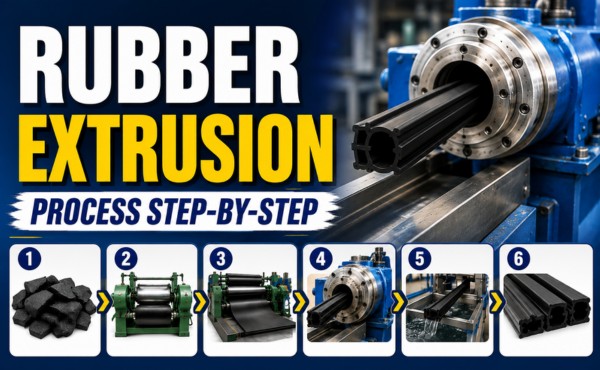
Understanding Rubber Extrusion Process Step-by-Step
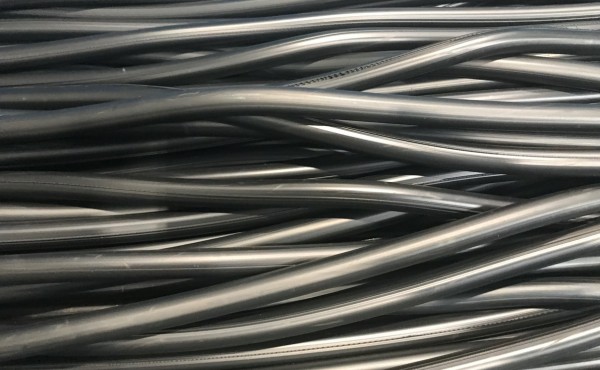
Rubber extrusion shapes rubber into continuous profiles by forcing it through a specialized die. This process involves several important steps, including preparing the material, heating, shaping, curing, and inspecting the final product. Each stage transforms raw materials into a finished shape with specific properties.
Preparing the Rubber Compound
Selecting Materials
The first step in the rubber extrusion process involves choosing the right materials. Manufacturers select raw rubber based on the desired properties of the final product. Additives such as fillers, plasticizers, and curing agents are also chosen to enhance performance. For silicone rubber extrusion, the selection of silicone compounds is crucial. These compounds offer flexibility, heat resistance, and durability. The choice of materials affects the strength, elasticity, and appearance of the extruded profile.
- Raw rubber types include natural and synthetic options.
- Additives improve specific qualities like color, hardness, or weather resistance.
- Silicone rubber extrusion requires specialized silicone blends for unique applications.
Mixing Ingredients
After selecting the materials, the next step is mixing. The ingredients are combined in a mixer to create a uniform rubber compound. Mixing ensures that additives are evenly distributed throughout the rubber. This process is essential for both general rubber extrusion and silicone rubber extrusion. Proper mixing prevents weak spots and inconsistencies in the final product.
Tip: Consistent mixing helps achieve reliable performance in the extruded rubber profile.
Mixers use mechanical force to blend the materials. The process may involve heat to soften the rubber and improve mixing efficiency. The result is a homogenous compound ready for extrusion.
Consistency Check
Before moving to the next stage, the compound undergoes a consistency check. Technicians test the rubber for uniformity, texture, and color. Any irregularities can affect the extrusion process and the quality of the finished product. For silicone rubber extrusion, consistency is especially important because silicone compounds must meet strict standards.
A table can help summarize the key checks:
| Test Type | Purpose | Importance |
|---|---|---|
| Uniformity | Ensures even distribution | Prevents defects |
| Texture | Checks smoothness | Affects appearance |
| Color | Confirms correct shade | Maintains quality |
Uniformity in the rubber compound is vital. It ensures that the extrusion process produces profiles with consistent properties and appearance.
Feeding and Heating in the Extruder
Loading the Compound
The prepared rubber compound moves to the next stage. Workers load the material into the extruder using a feed hopper. The hopper acts as a funnel, guiding the rubber into the machine. This step is important because it ensures a steady supply of material for the extrusion process. The extruder uses a rotating screw to pull the rubber from the hopper and push it forward. The screw creates pressure and helps mix the compound even more.
Note: A consistent feed rate prevents air pockets and keeps the extrusion process smooth.
The feed hopper can handle different types of rubber compounds. It is designed to keep the material clean and free from contamination. The extruder’s screw speed can be adjusted to match the needs of each batch. This flexibility allows manufacturers to produce a wide range of profiles.
| Component | Function | Benefit |
|---|---|---|
| Feed Hopper | Guides rubber into extruder | Maintains steady flow |
| Rotating Screw | Moves and mixes compound | Builds pressure |
Softening and Heating
Once inside the extruder, the rubber compound must become soft enough to shape. The machine uses heaters along the barrel to warm the material. Heat makes the rubber pliable and ready for extrusion. Temperature control is critical. If the rubber gets too hot, it may degrade. If it stays too cool, it will not flow through the die.
The heaters work in zones. Each zone can be set to a different temperature. This helps the rubber soften gradually and evenly. The screw continues to mix the compound as it heats up. Proper heating ensures the extrusion process produces profiles with the right shape and properties.
The combination of pressure from the screw and controlled heating prepares the rubber for the next step. The material is now ready to be forced through the die, where it will take its final form.
Rubber Extrusion Process and Shaping
Forcing Through the Die
The softened rubber moves forward inside the extruder. The rotating screw pushes the material toward a metal die. This die has an opening shaped like the desired profile. The rubber extrusion process relies on this step to create continuous shapes. The pressure from the screw forces the rubber through the die. High pressure is necessary to make sure the material fills every part of the die opening.
Temperature control is important during this stage. Heaters keep the rubber at the right softness. If the temperature drops, the rubber may not flow smoothly. If it gets too hot, the material can break down. Operators monitor both pressure and temperature to keep the extrusion stable.
Tip: Consistent pressure and temperature help prevent defects in extruded rubber products.
The die can be changed to produce different shapes. For example, silicone rubber extrusion often uses dies designed for tubes, seals, or custom profiles. The flexibility of the die system allows manufacturers to create many types of extruded rubber products.
Profile Formation
As the rubber exits the die, it takes on its final shape. The extrusion process forms a continuous profile that matches the die opening. The material is still soft and warm at this point. Careful handling is needed to keep the shape accurate.
Operators check the profile as it leaves the die. They look for smooth surfaces and correct dimensions. Any changes in pressure or temperature can affect the profile. For silicone rubber extrusion, maintaining the right conditions is especially important. Silicone compounds can be sensitive to heat and pressure changes.
A table can help summarize the key factors in profile formation:
| Factor | Role in Profile Formation | Impact on Final Product |
|---|---|---|
| Pressure | Pushes rubber through the die | Ensures full shape |
| Temperature | Keeps rubber soft and workable | Prevents defects |
| Die Design | Shapes the rubber | Controls profile dimensions |
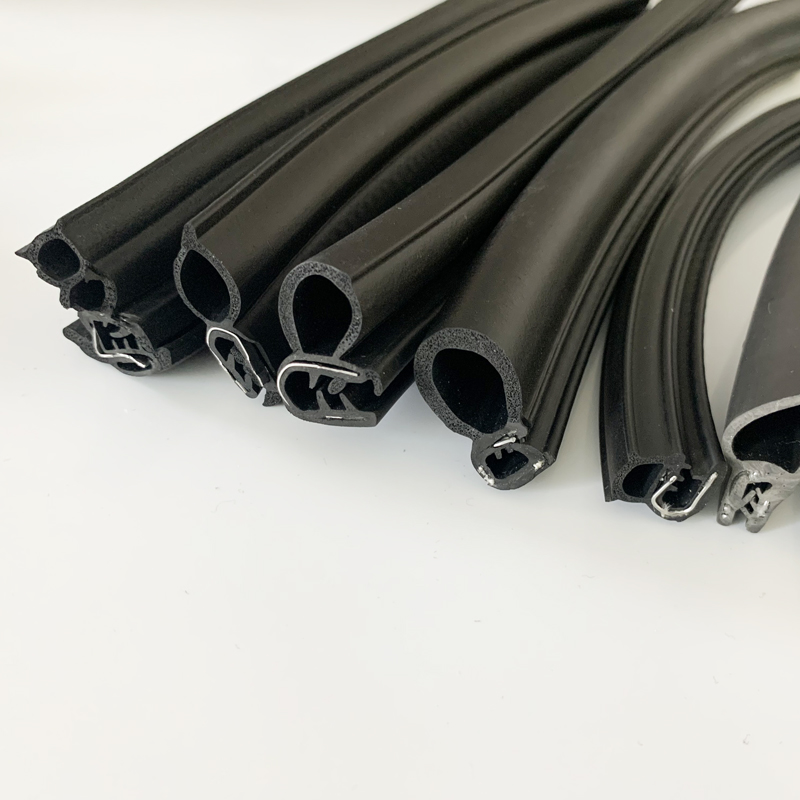
The rubber extrusion process creates many types of extruded rubber products. These include seals, gaskets, tubing, and custom parts. Silicone rubber extrusion is popular for products that need flexibility and resistance to heat.
Note: The quality of the final product depends on careful control during extrusion and shaping.
The process continues as the shaped rubber moves to the next stage for curing and cooling.
Vulcanization and Cooling
Curing the Rubber
After the extrusion step, the rubber profile remains soft and flexible. To make it strong and durable, the next stage is curing, also known as vulcanization. This process uses heat and sometimes chemicals to create cross-links between the rubber molecules. These cross-links give the material its final strength and elasticity.
There are several methods for curing. The most common include using hot air ovens, steam, or salt baths. Each method heats the rubber to a specific temperature for a set amount of time. The choice depends on the type of rubber and the product’s requirements. For silicone rubber extrusion, curing often takes place in a heated tunnel or oven. This ensures the silicone profile reaches the right level of flexibility and heat resistance.
Tip: Proper curing is essential. It prevents the rubber from becoming brittle or sticky and ensures the product performs well in its final application.
Cooling and Solidifying
Once curing is complete, the rubber profile must cool down. Cooling helps the material keep its shape and finish. The profile usually passes through a water bath or air-cooling section. This step solidifies the rubber and locks in the properties gained during vulcanization.
Operators monitor the cooling rate closely. Rapid cooling can cause warping or internal stress, while slow cooling may affect the surface quality. For silicone rubber extrusion, careful cooling is especially important. It helps maintain the smooth surface and precise dimensions needed for many applications.
A table summarizes the key steps:
| Step | Purpose | Result |
|---|---|---|
| Curing | Strengthens and sets rubber | Durable, elastic profile |
| Cooling | Solidifies and stabilizes | Maintains final shape |
The vulcanization and cooling stages complete the process. These steps ensure that the extrusion produces rubber products with reliable performance and consistent quality.
Cutting and Inspection
Cutting to Length
After cooling, the rubber profile reaches the cutting stage. Workers or automated machines measure the continuous profile and cut it to the required length. This step ensures each piece matches the specifications for its intended use. The cutting process uses tools such as rotary cutters, guillotines, or blades. Machines often use sensors to detect the correct length and trigger the cutting action.
Tip: Accurate measurement prevents waste and ensures uniform product sizes.
Some extrusion lines include automated systems that stack or package the cut pieces. This helps keep production efficient and organized. The choice of cutting method depends on the shape and thickness of the rubber profile.
Common Cutting Methods:
- Rotary cutters for flexible tubing
- Guillotine blades for thicker profiles
- Automated length sensors for precision
Quality Inspection
Quality inspection follows the cutting process. Inspectors check each piece for defects, such as cracks, uneven surfaces, or incorrect dimensions. They use tools like calipers, rulers, and visual checks. Inspection helps maintain high standards and ensures the extrusion process produces reliable products.
A table summarizes key inspection criteria:
| Inspection Item | Purpose | Result |
|---|---|---|
| Dimensions | Verify correct length | Consistent sizing |
| Surface Finish | Check for smoothness | No rough spots |
| Structural Integrity | Detect cracks | Strong, usable parts |
Inspectors may test samples for flexibility or strength. If a defect appears, they can adjust the extrusion settings or cutting equipment. Quality inspection protects customers from receiving faulty rubber products.
Note: Careful inspection at this stage supports the reputation of the manufacturer and ensures safety in the final application.
The cutting and inspection steps complete the extrusion process, preparing rubber profiles for shipment or further assembly. 🛠️
Summary
The rubber extrusion process transforms raw materials into finished profiles through a series of clear steps. You can follow this process by:
- Preparing the rubber compound
- Feeding and heating in the extruder
- Shaping with the die
- Vulcanization and cooling
- Cutting and inspection
Reviewing each step helps you understand how the rubber extrusion process creates reliable rubber profiles. This guide makes the process easy to follow and apply.
FAQ
What is the rubber extrusion process?
The rubber extrusion process shapes rubber by forcing it through a die. This method creates continuous profiles like tubing, seals, and gaskets. Manufacturers use it for both natural and synthetic rubber compounds.
Why is temperature control important during extrusion?
Temperature control keeps the rubber soft and workable. It prevents defects and ensures the material flows smoothly through the die. Operators monitor heaters to maintain consistent quality.
How do manufacturers check quality after extrusion?
Inspectors measure dimensions and check surface finish. They look for cracks or uneven spots. Quality inspection ensures each rubber profile meets standards and performs reliably.
What products are made with the rubber extrusion process?
Tubing, Seals, Gaskets, Custom profiles. The rubber extrusion process creates products for automotive, medical, and industrial uses.


Leave a Reply
Want to join the discussion?Feel free to contribute!