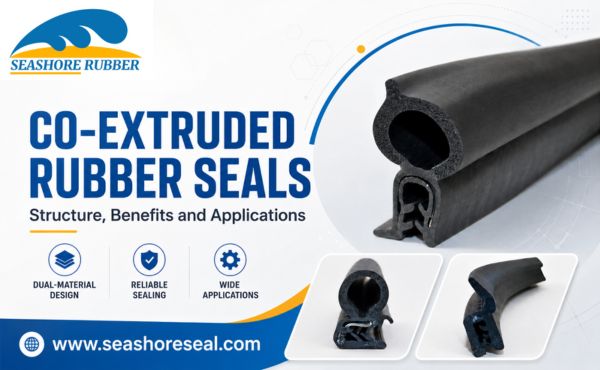
Co-Extruded Rubber Seals: Structure, Benefits and Applications
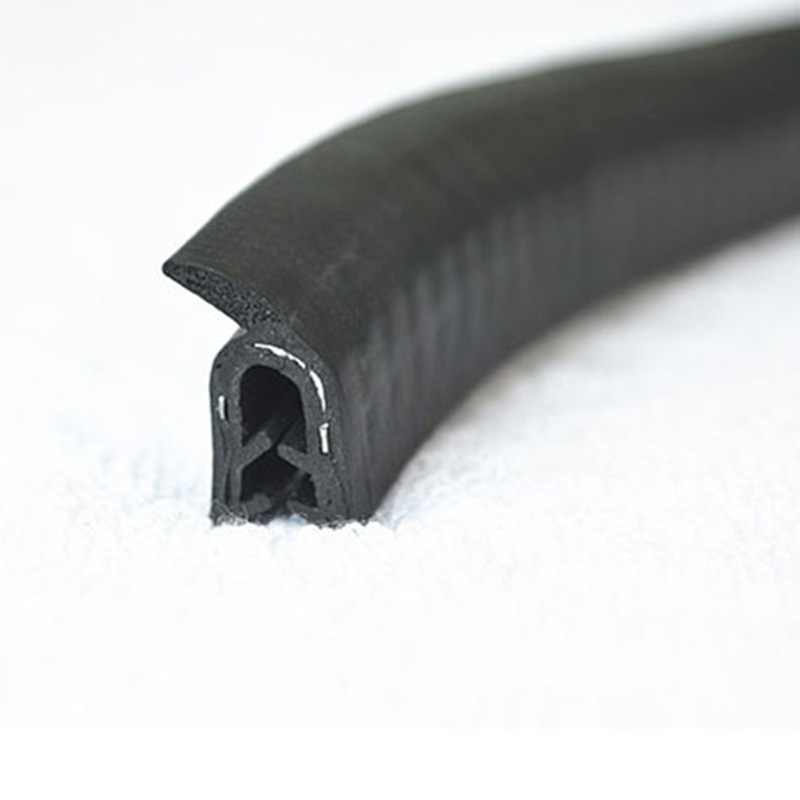
Co-extruded rubber seals are specialized components made by combining two or more types of rubber in a single process. These seals help protect doors, windows, and machinery from water, dust, and air leaks. Many industries rely on them because they offer strong resistance to wear, weather, and chemicals.
What Are Co-Extruded Rubber Seals
Basic Definition
Co-extruded rubber seals are special sealing products made by combining two or more types of rubber in a single manufacturing step. The process is called co-extrusion. In this process, different rubber materials are pushed through a shaped opening at the same time. Each material forms a part of the final seal. This method allows manufacturers to create seals with different properties in one piece.
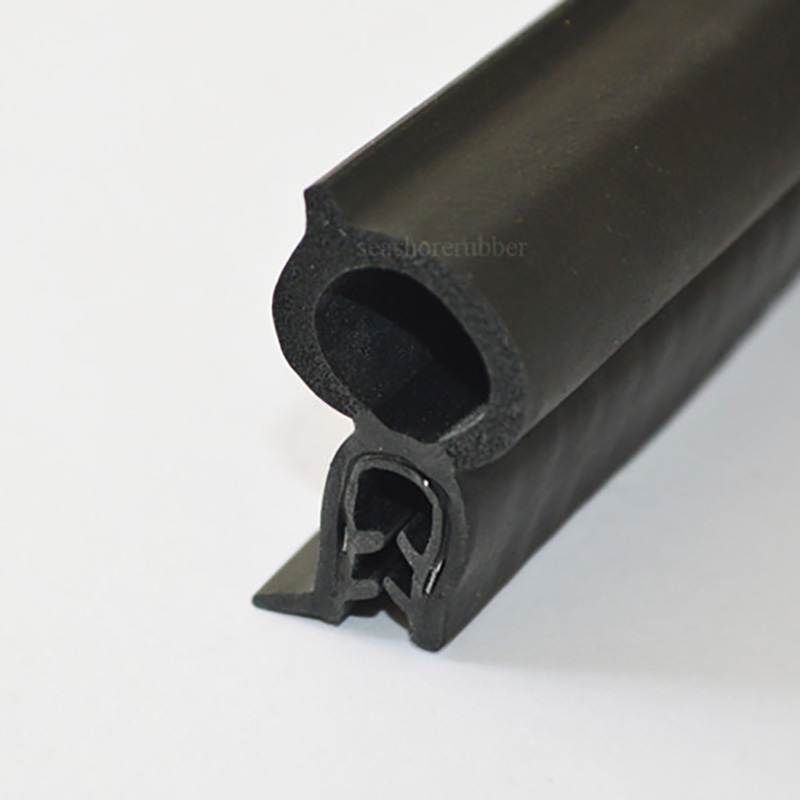
For example, one part of the seal can be soft and flexible, while another part can be firm and strong. This combination is not possible with a single type of rubber. The soft section helps the seal fit tightly against surfaces. The firm section gives the seal strength and helps it stay in place.
Co-extruded rubber seals are often used where a single material cannot meet all the needs of a product.
The co-extrusion process makes it possible to design seals that solve many common problems. These include blocking water, dust, and air. The process also helps reduce noise and vibration.
Importance in Industry
Many industries use co-extruded rubber seals because they offer unique advantages. These seals can handle tough conditions. They resist sunlight, chemicals, and extreme temperatures. This makes them useful in cars, buildings, and machines.
Combining different types of rubber in one seal improves performance. The soft rubber creates a tight seal. The hard rubber adds durability and support. This mix helps the seal last longer and work better.
Here are some reasons why co-extruded rubber seals are important in industry:
- They provide better sealing than seals made from only one type of rubber.
- They can be shaped to fit many designs and uses.
- They help protect equipment from damage caused by water, dust, and chemicals.
- They reduce the need for repairs and replacements.
Using co-extruded rubber seals can save money over time because they last longer and need less maintenance.
Structure and Manufacturing
Materials Used
Many types of rubber are used in the manufacturing of extruded rubber seals. Common materials include EPDM, silicone, and nitrile. Each type of rubber has unique properties. EPDM resists weather and UV light. Silicone handles high temperatures. Nitrile stands up to oils and chemicals. The choice of rubber depends on the needs of the application. Some seals use a mix of materials to get the best features from each one. This approach helps create rubber extrusion profiles that last longer and perform better.
The right rubber material can improve the seal’s resistance to sunlight, chemicals, and extreme temperatures.
Co-Extrusion Process
The co-extrusion process is a key part of manufacturing extruded rubber seals. In this process, two or more types of rubber are pushed through a die at the same time. Each rubber flows into a different part of the mold. This creates a single seal with multiple layers or sections. The process allows for soft and hard areas in one piece. Co-extrusion technology makes it possible to design seals that fit many shapes and uses. The process also helps control the thickness and density of each section. This means the final product can handle stress, movement, and changes in temperature.
Design Features
Design features play a big role in the performance of extruded rubber seals. Many seals have hollow sections to make them flexible. Some have solid parts for extra strength. The structure of the seal affects how well it resists wear, UV rays, and chemicals. Special shapes help the seal fit tightly and block out water, dust, and air. Custom rubber extrusion lets engineers create seals for unique needs. The right design can reduce noise and vibration. Good design also makes installation easier and helps the seal last longer.
The structure and materials used in production can make a big difference in how well the seal works in tough environments.
Benefits of Co-Extruded Rubber Seals
Durability and Resistance
Co-extruded rubber seals offer outstanding durability. These seals can last for many years, even in harsh environments. The combination of different rubber materials increases the strength of each seal. This structure helps the seal resist cracking, tearing, and other types of damage. Many industries choose these seals because they provide strong protection against sunlight, chemicals, and extreme temperatures.
The benefits of extruded rubber include:
- Long-lasting protection from water, dust, and air.
- Resistance to UV rays and harsh weather.
- Ability to handle chemicals and oils without breaking down.
The durability of these seals means less frequent replacements. This saves time and money for companies. High quality rubber also keeps equipment safe from leaks and damage. The benefits of rubber extrusion profiles become clear in tough conditions. These seals keep their shape and function, even after years of use.
Choosing the right custom rubber extrusion profiles can improve the durability and quality of your equipment.
Consistent Sealing Performance
A key benefit of co-extruded rubber seals is their consistent sealing performance. These seals fit tightly and block out unwanted elements. The design allows for both soft and firm sections in one piece. This means the seal can adjust to different surfaces and still provide strong protection.
Some important points about sealing performance:
- The seal stays flexible, even in cold or hot weather.
- It maintains a tight fit, which prevents leaks.
- The quality of the rubber ensures reliable protection over time.
Consistent sealing performance helps protect machinery, vehicles, and buildings. It reduces the risk of water or dust entering sensitive areas. The benefits of extruded rubber also include less noise and vibration. This makes environments safer and more comfortable.
Good sealing performance can extend the life of equipment and reduce maintenance costs.
Adaptability and Customization
Co-extruded rubber seals are highly adaptable. They can be shaped to fit many different designs and uses. Custom rubber extrusion profiles allow engineers to create seals for unique needs. This flexibility is important in industries where every application is different.
The benefits of rubber extrusion profiles include:
- Custom shapes and sizes for special projects.
- Flexible materials that bend and move as needed.
- Protection for both simple and complex equipment.
Customization means that seals can match the exact requirements of a project. This leads to better quality and improved performance. Flexible rubber makes installation easier and helps the seal last longer. Custom rubber extrusion profiles give companies the freedom to design the best solution for their needs.
Customization and adaptability are key benefits of extruded rubber, making these seals valuable in many industries.
Applications of Co-Extruded Rubber Seals
Automotive Applications
Automotive applications rely on co-extruded rubber seals for many reasons. These seals protect vehicles from water, dust, and noise. Door and window seals use rubber to keep out rain and wind. Trunk and hood seals also use rubber to prevent leaks. The combination of soft and firm rubber improves performance in all weather. These seals help reduce vibration and make rides quieter. Rubber extrusion profiles applications in cars include sunroof seals and engine compartment gaskets. The durability of rubber ensures long-lasting performance in harsh road conditions.
Good seals can improve the comfort and safety of any vehicle.
Construction and Building
Construction applications need strong seals to block air, water, and sound. Rubber seals fit around windows, doors, and panels. They help buildings stay energy efficient by stopping drafts. The use of rubber in these applications also protects against mold and mildew. Seals in construction must handle sunlight, rain, and temperature changes. Rubber extrusion profiles applications in building projects include expansion joints and glazing seals. The right rubber material boosts performance and extends the life of structures.
Marine and Outdoor Uses
Marine applications demand seals that resist saltwater, UV rays, and weather. Boats and ships use rubber seals around hatches, windows, and doors. These seals keep water out and protect equipment from corrosion. Outdoor applications also use rubber for playgrounds, greenhouses, and outdoor lighting. The flexibility of rubber allows seals to perform well in changing conditions. High performance is important for safety and reliability at sea or outdoors.
Rubber Extrusion Profiles Applications in Industry
Industrial applications cover many types of machinery and equipment. Rubber seals protect moving parts from dust, oil, and chemicals. Factories use rubber in conveyor systems, pumps, and electrical enclosures. The adaptability of rubber makes it easy to design seals for special machines. High performance rubber keeps equipment running smoothly and reduces downtime. These applications show how important rubber extrusion profiles applications are for industry.
Choosing the right rubber seal can improve performance and lower maintenance costs in any application.
Conclusion
Co-extruded rubber seals deliver strong durability, reliable sealing, and flexible design. These seals protect equipment in automotive, construction, marine, and industrial settings. Their ability to resist weather, chemicals, and wear makes them valuable across many industries.
- Consider co-extruded rubber seals for your next project.
- For more details or sourcing options, explore technical guides or contact a rubber extrusion specialist.
Learning more about custom rubber extrusion can help you choose the best seal for your needs.
FAQ
What are co-extruded rubber seals used for?
Co-extruded rubber seals protect against water, dust, and air leaks. They are common in vehicles, buildings, and machines. These seals help reduce noise and vibration, making environments safer and more comfortable.
How does the co-extrusion process improve seal performance?
The co-extrusion process combines soft and firm rubber in one seal. This design increases durability and flexibility. It allows the seal to fit tightly and resist harsh conditions.
Which materials are most often used in co-extruded rubber seals?
| Material | Main Feature |
|---|---|
| EPDM | Weather resistance |
| SILICONE | High temperature |
| NITRILE | Chemical resistance |
Manufacturers select rubber materials based on the needs of each application.
Can co-extruded rubber seals be customized?
Yes, engineers can design custom shapes and sizes. Customization helps seals fit unique equipment and meet specific requirements. Flexible design improves performance and makes installation easier.
Are co-extruded rubber seals suitable for outdoor use?
Co-extruded rubber seals resist sunlight, rain, and temperature changes. Their structure protects equipment in outdoor environments. These seals are ideal for marine, construction, and playground applications.


Leave a Reply
Want to join the discussion?Feel free to contribute!