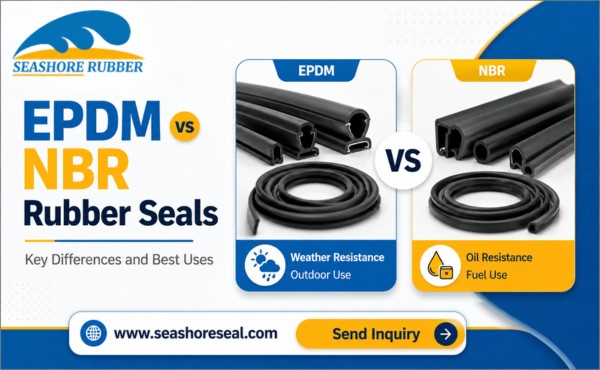
EPDM vs NBR Rubber Seals: Key Differences and Best Uses
EPDM works best for water, weather, and outdoor sealing. NBR provides strong resistance to oil, fuel, and chemicals. The main difference in EPDM and NBR lies in their performance against specific elements, making the right choice important for seal longevity. Both rubber types offer unique strengths and suit different environments. Consider how much water, oil, temperature change, or sunlight your seal will face before choosing.
EPDM vs NBR: Material Overview
What is EPDM?
EPDM stands for ethylene propylene diene monomer. This rubber is a non-aromatic synthetic material made from ethylene, propylene, and a small amount of diene. EPDM has excellent resistance to water, steam, and weathering. It stays flexible in both hot and cold temperatures. Many industries use EPDM for seals, gaskets, and hoses that face outdoor conditions. Common environments include roofing, automotive weatherstripping, and water systems.
What is NBR?
NBR stands for nitrile butadiene rubber. This rubber is a copolymer of acrylonitrile and butadiene, making it non-aromatic as well. NBR is known for its strong resistance to oils, fuels, and many chemicals. It keeps its shape and performance when exposed to grease or hydraulic fluids. Industries such as automotive, oil and gas, and manufacturing use NBR for seals, O-rings, and fuel hoses.
- NBR is a top choice for environments where contact with oil or fuel is common.
- It is not recommended for outdoor use where sunlight or ozone exposure is high.
Both EPDM and NBR offer unique advantages. Choosing the right rubber depends on the specific needs of your application.
EPDM vs NBR: Key Differences
Water and Weather Resistance
EPDM shows strong resistance to water and weathering. This synthetic rubber is often used for seals in outdoor environments. NBR does not perform as well in wet or outdoor conditions. EPDM keeps its shape and flexibility during long-term outdoor exposure. NBR may crack or lose performance when exposed to rain or sunlight. Many stamped parts made of EPDM and NBR are tested for water resistance. EPDM is the preferred choice for excellent water and chemical resistance.
Oil, Fuel, and Chemical Resistance
NBR stands out for its resistance to oil, fuel, and many chemicals. This synthetic rubber compound is used in automotive and industrial settings. EPDM does not handle oil exposure as well as NBR. NBR maintains its properties when exposed to grease or hydraulic fluids. EPDM may swell or degrade in oily environments. The key differences in oil resistance make NBR the top choice for fuel hoses and engine seals.
- NBR is used for O-rings and gaskets in oil and gas applications.
- EPDM is not recommended for areas with frequent oil exposure.
Temperature Range
EPDM offers a wider temperature range than NBR. This synthetic rubber stays flexible in both hot and cold conditions. NBR performs well in moderate temperatures but loses flexibility in extreme cold. EPDM can handle temperatures from -40°F to 250°F. NBR usually works best between -20°F and 210°F. The performance of EPDM vs NBR in temperature extremes affects their use in outdoor and industrial settings.
UV and Ozone Resistance
EPDM provides excellent weather and ozone resistance. This synthetic rubber resists sunlight and ozone damage. NBR does not have the same resistance to weathering. EPDM keeps its properties during long-term outdoor exposure. NBR may crack or fade when exposed to UV rays. The outdoor performance of EPDM vs NBR depends on their resistance to weathering.
- EPDM is used for outdoor seals, window gaskets, and roofing parts.
- NBR is better for indoor seals and parts away from sunlight.
Compression Set and Flexibility
EPDM shows high flexibility and a low compression set. This means EPDM returns to its original shape after being compressed. NBR also offers flexibility but may have a higher compression set in some applications. Both synthetic rubber compounds are used for stamped parts made of EPDM and NBR. EPDM is preferred for seals that need to stay flexible over time. NBR works well for seals that face oil and fuel but do not require high flexibility.
Table: EPDM vs NBR Performance Comparison
| Property | EPDM | NBR |
|---|---|---|
| Water Resistance | Excellent | Moderate |
| Oil/Fuel Resistance | Moderate | Excellent |
| Temperature Range | Wide (-40°F to 250°F) | Moderate (-20°F to 210°F) |
| UV/Ozone Resistance | Excellent | Poor |
| Compression Set | Low | Moderate |
| Flexibility | High | Moderate |
| Outdoor Performance | Excellent | Poor |
EPDM and NBR: Typical Applications
EPDM Applications
Ethylene propylene diene monomer rubber is popular in outdoor environments. EPDM is often used for seals and gaskets in roofing systems. Many water systems rely on this rubber for pipe seals and connectors.
- Automotive weatherstripping uses EPDM to keep out rain and dust.
- Playground surfaces and sports tracks use this material for its durability.
- HVAC systems use EPDM for insulation and flexible connectors.
NBR Applications
Nitrile butadiene rubber is valued for its oil and fuel resistance. NBR is common in automotive fuel hoses and hydraulic seals. Many factories use this rubber for machine parts that contact grease or chemicals.
- Industrial equipment uses NBR for O-rings and gaskets.
- Food processing plants use NBR in seals that contact oils and fats.
- Laboratories choose NBR for gloves and protective gear.
Both ethylene propylene diene monomer rubber and nitrile butadiene rubber serve different needs. Choosing the right material depends on the specific application and environment.
Pros and Cons of EPDM and NBR
EPDM Pros and Cons
Pros:
- EPDM resists water, steam, and weather very well.
- This rubber stays flexible in both hot and cold temperatures.
- It does not crack or fade when exposed to sunlight or ozone.
- EPDM lasts a long time in outdoor environments.
Cons:
- EPDM does not resist oil, fuel, or many chemicals.
- It may swell or break down if used with grease or hydraulic fluids.
- This rubber is not the best choice for indoor machinery that handles oil.
NBR Pros and Cons
Pros:
- NBR resists oil, fuel, and many chemicals.
- This rubber keeps its shape and strength in oily or greasy environments.
- It is a good choice for seals in engines, factories, and food processing.
Cons:
- NBR does not resist sunlight, ozone, or weather as well as EPDM.
- It may crack or lose flexibility if used outdoors for a long time.
- This rubber works best indoors or where oil is present.
| Feature | EPDM (Pros/Cons) | NBR (Pros/Cons) |
|---|---|---|
| Water Resistance | Excellent | Moderate |
| Oil/Fuel Resistance | Poor | Excellent |
| Weather Resistance | Excellent | Poor |
| Temperature Range | Wide | Moderate |
| Outdoor Use | Ideal | Not recommended |
Choosing the Right Seal
Decision Guide
Selecting the right seal starts with understanding your environment. Follow these steps to make the best choice:
- Identify Exposure: Check if the seal will face water, oil, fuel, chemicals, sunlight, or temperature changes.
- Match Material to Conditions: Use EPDM for outdoor, water, or weather-exposed areas. Choose NBR for oil, fuel, or chemical contact.
- Check Temperature Needs: Review the temperature range for your application. Pick the material that stays flexible and strong in those conditions.
- Consider Longevity: Think about how long the seal must last. Outdoor use often requires better UV and ozone resistance.
- Review Flexibility and Compression: Decide if the seal needs to stay flexible or return to its shape after pressure.
Practical Recommendations
Use this table to help decide which material fits your application:
| Application Need | Best Material |
|---|---|
| Outdoor/Weather Exposure | EPDM |
| Oil/Fuel/Chemical Contact | NBR |
| Wide Temperature Range | EPDM |
| Indoor Machinery | NBR |
| UV/Ozone Resistance | EPDM |
- Always test a sample if possible.
- Review the seal’s performance after installation.
- Replace seals that show signs of cracking or swelling.
Conclusion
EPDM and NBR rubber seals serve different needs. EPDM works best for outdoor and water applications, while NBR is ideal for oil and chemical resistance. Review your environment and exposure before choosing a rubber seal. If you have questions, ask a supplier or expert for advice. The right choice will help your equipment last longer and perform better.


Leave a Reply
Want to join the discussion?Feel free to contribute!