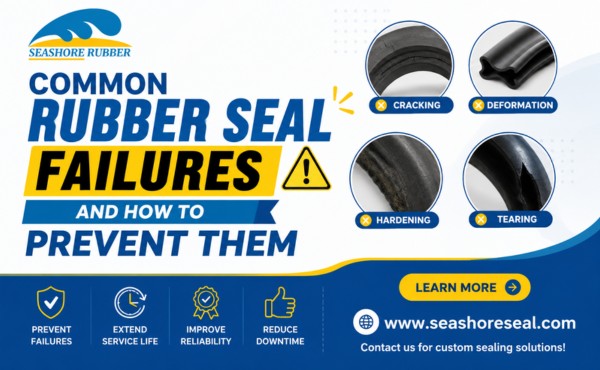
Common Rubber Seal Failures and How to Prevent Them
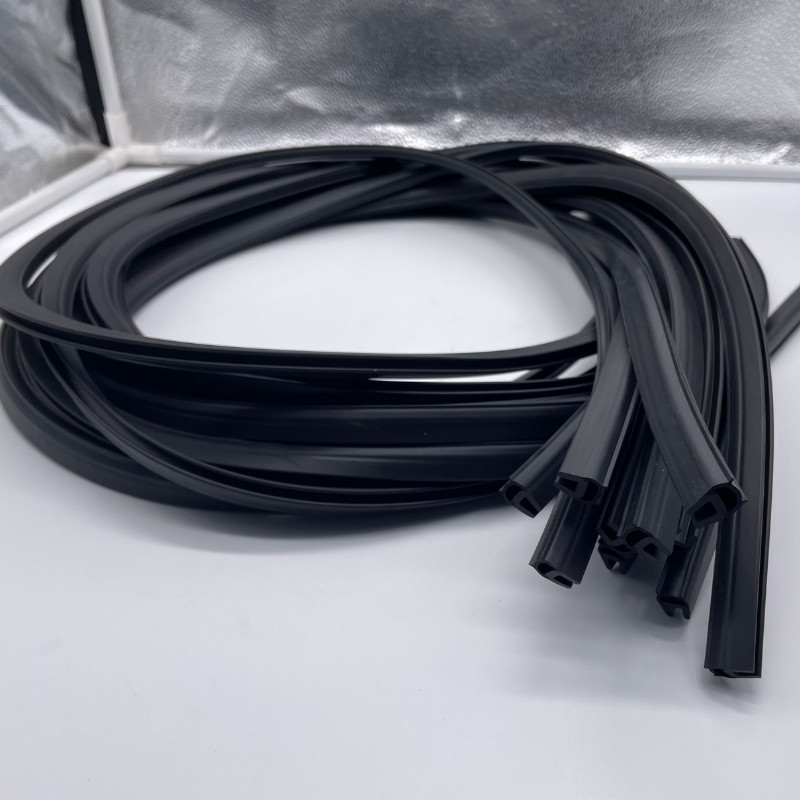
Rubber seal failures often happen because of material issues, temperature changes, or mistakes during installation. Prevention starts with choosing the right seal and following best practices.
- Make a checklist for regular inspections.
- Replace worn seals before leaks start.
- Ask experts for advice when needed.
Rubber Seal Failure Causes
Material Incompatibility
Material incompatibility stands as one of the most common failure causes in rubber oil seals. When the wrong material is chosen for a specific application, the seal may not perform as expected. For example, using a seal made from a material that cannot handle certain fluids or pressures can lead to swelling, cracking, or even complete breakdown. This problem often appears in machinery that operates under different conditions or uses various chemicals.
Selecting quality materials is essential to prevent hydraulic seal failure. Engineers must match the seal material to the fluid, pressure, and temperature requirements of the machinery. High-quality material can resist wear and last longer, reducing the risk of rubber seal failures. Always check the manufacturer’s recommendations before choosing a seal for your machinery.
Tip: Review the machinery’s operating environment before selecting rubber oil seals. This step helps avoid costly hydraulic seal failure.
Chemical Exposure
Chemical exposure is another leading cause of hydraulic seal failure. Many types of machinery use fluids that can react with rubber oil seals. If the seal material is not compatible with these chemicals, it may swell, soften, or lose its shape. This can cause leaks and damage to other parts of the machinery.
Common failure causes include exposure to oils, solvents, or cleaning agents that break down the rubber. Chemical swell is a frequent issue in both static and dynamic applications. To prevent this, always choose rubber oil seals that match the chemicals used in your machinery. Regular inspection can help spot early signs of chemical attack.
- Signs of chemical exposure in rubber oil seals:
- Swelling or softening
- Cracks or blisters
- Loss of elasticity
Temperature Extremes
Temperature extremes can quickly lead to rubber seal failures. Machinery often operates in environments with high or low temperatures. If rubber oil seals are not designed for these conditions, they may harden, crack, or lose flexibility. High fluid temperature can speed up aging and cause the seal to fail sooner.
Hydraulic seal failure often results from using seals that cannot handle the machinery’s temperature range. Always check the temperature ratings before installation. Using the right seal for the temperature conditions helps prevent leaks and extends the life of the machinery.
Note: Sudden changes in temperature can also damage rubber oil seals. Allow machinery to warm up or cool down gradually when possible.
Compression Set
Compression set is a common failure cause in rubber oil seals. This problem happens when a seal stays compressed for a long time and does not return to its original shape. Over time, the seal loses its ability to block fluids, leading to leaks and hydraulic seal failure.
Compression set often results from poor seal design, incorrect installation, or using the wrong material. The seal manufacturing process also plays a role. If the process does not produce seals with the right properties, they may fail early in machinery.
To prevent compression set:
- Use rubber oil seals made for your machinery’s pressure and temperature.
- Follow proper installation steps.
- Inspect seals regularly for signs of flattening or hardening.
Rubber oil seals are critical for machinery performance. Understanding these common failure causes helps prevent hydraulic seal failure and keeps machinery running smoothly.
Installation Errors
Common Mistakes
Improper installation often leads to rubber seal failures. Many technicians overlook the importance of handling seals with care. Scratches, nicks, or tears can occur when tools are used incorrectly or when seals are forced into place. Neglecting installation instructions is a frequent issue. Some workers skip steps or use the wrong lubricant, which can damage the seal and cause leaks. Another mistake involves failing to check the alignment of the seal. If the seal is not seated properly, it may not perform as expected.
Common mistakes to avoid include using excessive force, ignoring cleanliness, and rushing the process. Dirt or debris can get trapped under the seal, leading to premature failure. Sometimes, seals are installed without checking for dimensional accuracy, which can result in gaps or uneven compression. These errors can cause start-up issues and reduce the lifespan of the machinery.
Tip: Always inspect the seal and the installation area before beginning. Clean surfaces help prevent damage and ensure a tight fit.
Prevention Tips
Following proper installation guidelines is essential for reliable performance. Start by reading the manufacturer’s instructions carefully. Use the recommended tools and lubricants. Handle the seal gently to avoid stretching or tearing. Make sure the installation area is clean and free of debris. Align the seal correctly and apply even pressure during installation.
Regular training helps technicians stay updated on best practices. Supervisors should encourage careful work and double-check each installation. Keeping a checklist can help prevent mistakes and ensure every step is followed. When in doubt, consult an expert or refer to technical manuals.
A well-installed seal protects machinery from leaks and extends its service life. Proper installation reduces the risk of start-up issues and helps avoid costly repairs.
Environmental and Operational Factors
Aging and Wear
Rubber seals face aging and wear during regular operation. Over time, exposure to sunlight, ozone, and air can cause the seal to lose flexibility. This process is called material degradation. As the seal ages, small cracks may appear. These cracks can lead to leaks and reduce the seal’s effectiveness. Regular inspection helps spot early signs of wear. Replacing old seals before they fail prevents unexpected breakdowns.
Tip: Store spare seals in a cool, dry place to slow down aging.
Mishandling and Damage
Improper handling can cause serious damage to a seal. Dropping, bending, or stretching the seal too much can weaken its structure. Even a small nick or scratch can lead to leaks. Mishandling often happens during installation or maintenance. Workers should use the right tools and avoid sharp objects near the seal. Training helps reduce the risk of damage.
- Common causes of damage:
- Using sharp tools
- Forcing the seal into place
- Not following handling guidelines
Fluid and Chemical Compatibility
Choosing the right seal for the fluid in use is important. Some fluids can react with the seal material and cause it to swell or break down. Overlooking environmental factors, such as exposure to harsh chemicals, can lead to early failure. Always check the compatibility chart before selecting a seal. This step helps prevent leaks and extends the life of the equipment.
Note: Regular checks for chemical exposure help avoid unexpected seal problems.
Design and Dimensional Issues
Improper Seal Design
Improper design can cause a seal to fail before it reaches its expected lifespan. When engineers do not consider the specific needs of an application, the seal may not fit or function as intended. For example, a design that ignores pressure changes or movement can lead to leaks. Some seals are made for static use, while others must handle constant motion. Using the wrong type can result in early breakdown.
A good design matches the seal to the equipment’s requirements. This includes the shape, hardness, and flexibility. Engineers should also think about how the seal will react to temperature and chemicals. Well-designed rubber seals protect against leaks and keeps machinery running smoothly.
Tip: Always review the application details before choosing or designing a seal. This step helps prevent costly mistakes.
Tolerance and Fit Problems
Tolerance and fit problems often lead to seal failure. If the seal is too tight, it may wear out quickly. If it is too loose, it cannot block fluids or gases. Even small errors in size can cause big problems. Manufacturing processes must keep tight control over dimensions to ensure a proper fit.
A table can help show common issues:
| Problem | Result |
|---|---|
| Too tight | Excessive wear |
| Too loose | Leakage |
| Uneven compression | Seal distortion |
Regular checks during installation help catch fit problems early. Measuring tools can confirm that the seal matches the equipment. When in doubt, consult technical guides or experts.
A proper fit extends the life of the seal and reduces maintenance costs. Paying attention to design and dimensions is key to reliable performance.
Maintenance and Inspection
Regular Checks
Regular maintenance checks help keep equipment running smoothly. These checks allow workers to find small problems before they become big failures. A simple inspection can reveal cracks, hard spots, or leaks around a seal. Technicians should look for signs of wear or damage during every maintenance visit. Using a flashlight helps spot hidden issues. Cleaning the area around the seal makes it easier to see problems.
A checklist can guide workers through each step. Here is an example:
| Step | What to Look For |
|---|---|
| Visual Inspection | Cracks, swelling, leaks |
| Feel Test | Hardness, stickiness |
| Area Cleanliness | Dirt, debris, oil |
Skipping regular maintenance can lead to sudden breakdowns. When workers miss these checks, a small leak can turn into a major repair. Regular maintenance checks save time and money in the long run.
Tip: Schedule inspections at set intervals to avoid missing important steps.
Proactive Prevention
Proactive prevention means taking action before a problem starts. Preventative maintenance includes replacing seals before they fail. Workers should follow the manufacturer’s guidelines for replacement times. Keeping records of each maintenance task helps track the condition of every seal.
Training is important for anyone who handles maintenance. Workers learn how to spot early warning signs and use the right tools. Good storage practices also protect seals from damage before installation. Store spare parts in a cool, dry place away from sunlight.
A strong maintenance plan keeps equipment safe and reliable. It reduces downtime and extends the life of every seal. Paying attention to small details makes a big difference.
FAQ
What causes a rubber seal to fail?
Many factors can cause failure. Common reasons include material incompatibility, chemical exposure, temperature extremes, improper installation, and aging. Regular inspection helps prevent unexpected problems.
How can I extend the life of my seal?
Store seals in a cool, dry place. Avoid exposure to sunlight and chemicals. Follow installation instructions and check for damage before use. Replace worn seals promptly.
What signs show a seal needs replacement?
Look for cracks, swelling, leaks, or loss of flexibility. If the seal feels hard or sticky, it may be time to replace it. Regular checks help catch issues early.
Can I use any lubricant during installation?
Always use the lubricant recommended by the manufacturer. Some lubricants can damage rubber or reduce performance. Check compatibility before applying.
How often should seals be inspected?
Create a schedule for regular inspections. Most seals should be checked during routine maintenance. Early detection prevents costly repairs and downtime.


Leave a Reply
Want to join the discussion?Feel free to contribute!