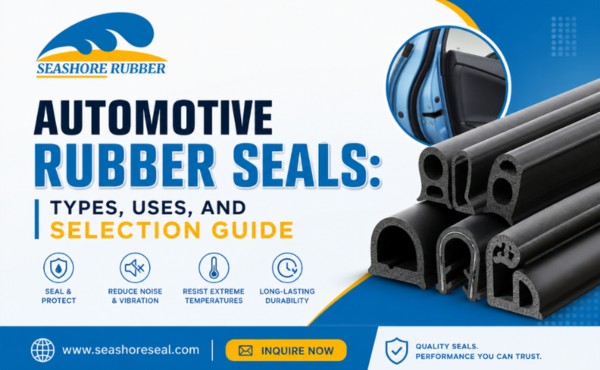
Automotive Rubber Seals: Types, Uses and Selection Guide
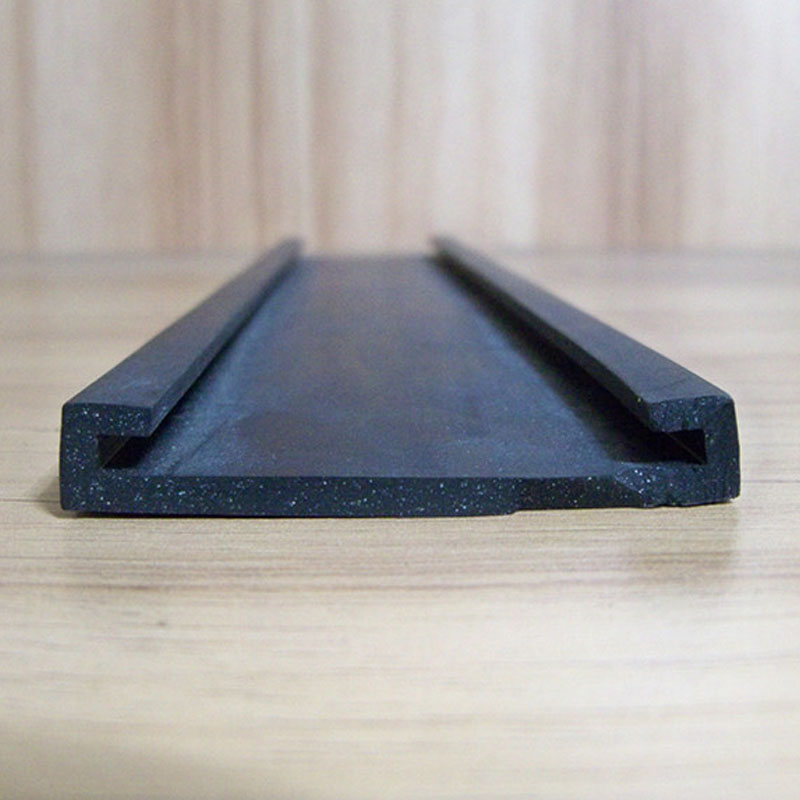
Automotive rubber seals are essential components that protect vehicles from water, dust, noise, vibration, and other environmental factors. Found in doors, windows, trunks, engine compartments, and various sealing systems, they help improve vehicle safety, comfort, and overall performance. Selecting the right automotive rubber seal requires careful consideration of factors such as material type, durability, chemical resistance, and operating conditions. In this guide, we’ll explore the different types of automotive rubber seals, their uses, key material considerations, and how to choose the best sealing solution for your needs.
What Are Automotive Rubber Seals
Definition and Function
Automotive rubber seals are flexible components made from various rubber materials. They fill gaps between different parts of a vehicle. These seals create barriers that block water, dust, and air from entering sensitive areas. Each seal has a specific shape and size to match its location. Some common types include door seals, window seals, and trunk seals. Other types, such as gasket seals and O-rings, help prevent leaks in engines and other systems. Weatherstripping is another type that protects against harsh weather conditions. Specialized types serve unique roles in certain vehicles.
Importance in Vehicles
Rubber seals play a vital role in the automotive industry. They protect important systems from damage caused by moisture, dirt, and noise. Without these seals, vehicles would face more wear and tear. Different types of seals work together to keep the interior dry and quiet. For example, door and window seals stop rain and wind from entering the cabin. Gasket seals and O-rings prevent oil and coolant leaks in the engine. Weatherstripping keeps out extreme temperatures. Specialized types offer extra protection in high-stress areas.
A table below shows some common types and their main uses:
| Type | Main Use |
|---|---|
| Door Seals | Block water and noise |
| Window Seals | Prevent drafts and leaks |
| Trunk Seals | Keep trunk dry and clean |
| Gasket Seals | Seal engine and transmission |
| O-Rings | Prevent fluid leaks |
| Weatherstripping | Protect against weather |
Automotive rubber seals help extend the life of vehicles. They also make driving safer and more comfortable.
Types of Automotive Rubber Seals
Automotive rubber seals come in many types. Each type serves a unique purpose in vehicles. Understanding these types helps users choose the right seal for their needs.
Door Seals
Door seals protect the cabin from water, dust, and noise. These seals fit around the edges of doors. They keep the interior dry and quiet. Door seals also help maintain temperature inside the vehicle.
Window Seals
Window seals prevent drafts and leaks. They sit between the glass and the frame. These seals stop rain and wind from entering. Window seals also reduce rattling and vibration.
Trunk Seals
Trunk seals keep the trunk dry and clean. They block water and dust from entering. These seals protect luggage and other items stored in the trunk. Trunk seals also help prevent rust.
Engine Seals
Engine seals protect engine parts from leaks. They keep oil, coolant, and other fluids inside. These seals help maintain engine performance. Engine seals also reduce the risk of damage from contaminants.
Gasket Seals
Gasket seals fill gaps between metal surfaces. They prevent leaks in engines and transmissions. These seals come in many rubber gasket types. Rubber gaskets resist heat and chemicals. Gasket seals are vital for keeping fluids contained.
O-Rings
O-rings are small, round seals. They fit into grooves and block fluid leaks. O-rings are a common rubber gasket type. These seals work in fuel systems, brakes, and air conditioning.
Weatherstripping
Weatherstripping seals protect against harsh weather. They block rain, snow, and wind. These seals improve comfort and safety. Weatherstripping also helps reduce energy loss.
Specialized Seals
Specialized seals serve unique roles. Some seals protect electrical systems. Others work in high-pressure areas. Specialized seals use different rubber gasket types for specific needs.
A table below shows the main types and their uses:
| Type | Purpose |
|---|---|
| Door Seals | Block water, dust, noise |
| Window Seals | Prevent drafts, leaks |
| Trunk Seals | Keep trunk dry, clean |
| Engine Seals | Protect engine from leaks |
| Gasket Seals | Seal metal surfaces |
| O-Rings | Block fluid leaks |
| Weatherstripping | Protect against weather |
| Specialized Seals | Serve unique functions |
Common Rubber Materials in Automotive Seals
Automotive rubber seals use different materials to meet the demands of vehicles. Each type of rubber seal material offers unique properties. The right choice depends on the application, environment, and required durability.
Nitrile Rubber (NBR)
Nitrile rubber, also called NBR, is popular for sealing oils and fuels. It resists oil, gasoline, and other chemicals. NBR works well in engines and fuel systems. It has good abrasion resistance and a low compression set. This means it keeps its shape under pressure. NBR is not the best choice for extreme temperatures, but it performs well in many automotive uses.
EPDM Rubber
EPDM rubber is a common material for weatherstripping and seals exposed to sunlight. It resists ozone, UV rays, and water. EPDM handles temperature changes and stays flexible in cold or hot weather. This material is often used for door, window, and trunk seals. EPDM also provides good durability and temperature resistance. It does not break down easily, even after years of use.
Silicone Rubber
Silicone rubber stands out for its high temperature resistance. It stays flexible in both hot and cold conditions. Silicone seals are often used in areas that face extreme temperatures. This material also resists aging and weathering. Silicone is safe for use near food and medical parts, but in cars, it is valued for its stability and long life.
Viton Rubber
Viton is a high-performance rubber. It resists chemicals, oils, and high temperatures. Viton seals are used in engines and fuel systems where other materials might fail. This rubber keeps its shape and strength even in harsh environments. It is more expensive, but it offers excellent durability.
Other Materials
Other types of rubber seal material include neoprene, natural rubber, and polyurethane. Neoprene resists oil, weather, and aging. Natural rubber is flexible but less resistant to chemicals. Polyurethane offers toughness and abrasion resistance. Each material has its own strengths for different automotive needs.
| Material | Key Properties | Common Uses |
|---|---|---|
| NBR | Oil resistance, low compression set | Engine, fuel seals |
| EPDM | Weather, UV, temperature resistance | Door, window, trunk |
| Silicone | Extreme temperature resistance, flexibility | High-heat areas |
| Viton | Chemical, oil, temperature resistance | Engine, fuel systems |
| Neoprene | Oil, weather resistance | Gaskets, hoses |
Uses and Applications of Automotive Rubber Seals
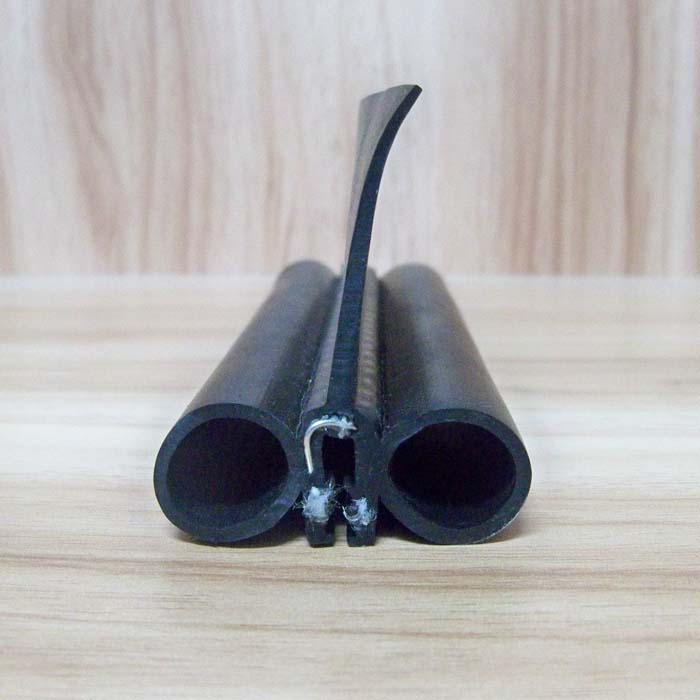
Preventing Leaks
Automotive rubber seals play a crucial role in stopping leaks. These seals create a watertight seal between parts. Rubber gaskets are often used in engines and transmissions. They help keep oil, coolant, and other fluids inside. O-rings and gaskets also work in fuel systems. Seals must withstand a high-pressure environment to ensure maximum performance. A watertight seal protects sensitive components and prevents costly repairs.
Dust and Moisture Protection
Rubber seals protect vehicles from dust and moisture. Door and window seals block dirt and water from entering the cabin. Rubber gaskets are used in electrical systems to keep moisture away. These types of seals help maintain a clean interior and prevent corrosion. Weatherstripping is another type that shields against rain and snow. The range of applications includes protecting both mechanical and electronic parts.
- Door seals
- Window seals
- Electrical gaskets
Noise and Vibration Reduction
Seals reduce noise and vibration inside vehicles. Rubber gaskets absorb shocks and dampen sounds. Door and trunk seals prevent rattling and wind noise. These types of seals improve comfort for drivers and passengers. O-rings in suspension systems help minimize vibration. The range of applications covers many areas where noise control is needed.
| Seal Type | Application Area | Benefit |
|---|---|---|
| Door seals | Cabin | Reduce noise |
| Rubber gaskets | Engine, suspension | Absorb vibration |
| Trunk seals | Storage area | Prevent rattling |
Safety and Comfort
Rubber seals contribute to safety and comfort. They keep harmful fumes and fluids out of the cabin. Seals also help maintain proper temperature inside the vehicle. Rubber gaskets in braking systems ensure reliable operation. These types of seals support maximum performance and protect passengers. Automotive rubber seals are essential for safe and comfortable driving.
How to Select the Right Rubber Seal
Choosing the right rubber seal is important for every vehicle. The correct choice helps prevent leaks, reduce noise, and protect against dust and moisture. This section explains how to match the seal type and material to your specific automotive needs.
Assessing Application Requirements
Start by understanding where the seal will be used. Each area of a vehicle has different needs. For example, door seals must block water and noise, while engine seals must handle high temperatures and pressure tolerance. Make a list of all the applications that need seals. Think about the environment, such as exposure to oil, fuel, or weather. Some applications require a watertight seal, while others need to resist vibration or chemicals.
Material Properties and Durability
The material selection guide is a key tool for finding the right rubber seal. Different materials offer unique benefits. EPDM works well for weatherstripping because it resists sunlight and water. NBR is good for fuel and oil systems. Silicone handles extreme temperatures. Viton is best for chemical compatibility and high pressure tolerance. Always check the durability of the material. A durable seal lasts longer and reduces maintenance.
| Material | Best For | Durability Level |
|---|---|---|
| EPDM | Weather, UV, water | High |
| NBR | Oil, fuel | Medium |
| Silicone | Heat, cold | High |
| Viton | Chemicals, pressure | Very High |
A material selection guide helps compare these options. Choose the material that matches your application and expected lifespan.
Chemical Compatibility
Chemical compatibility is a major factor in selecting the right rubber seal. Some seals must resist oils, fuels, or coolants. Others face cleaning agents or road salts. If the seal material does not match the chemicals it will contact, it may fail early. Check the chemical compatibility chart for each material. This step prevents swelling, cracking, or leaks.
Sizing and Fit
Proper sizing and fit are essential for seal performance. Measure the gap or groove where the seal will sit. Use a caliper or ruler for accuracy. The right rubber seal should fit snugly without stretching or compressing too much. A loose seal may leak, while a tight seal can wear out quickly. For complex shapes or rare applications, consider a bespoke rubber seal. Custom seals provide the best fit for unique needs.
- Measure the space carefully.
- Compare with manufacturer specifications.
- Test the fit before final installation.
Cost and Longevity
Cost and longevity affect the final decision. High-quality seals may cost more but last longer. Consider the total cost over time, not just the price at purchase. A seal with high durability and chemical compatibility often saves money by reducing replacements. For critical applications, invest in the best rubber seal available. For less demanding uses, a standard seal may be enough.
| Factor | Why It Matters |
|---|---|
| Upfront Cost | Affects budget |
| Longevity | Reduces replacement frequency |
| Maintenance | Lowers long-term expenses |
Selecting the right rubber seal involves careful planning. Review the application, use a material selection guide, check chemical compatibility, and ensure proper fit. This process helps you achieve a watertight, long-lasting solution for all automotive rubber seals.
Installation and Maintenance Tips
Preparation and Tools
Proper preparation helps ensure a smooth installation. Start by gathering the right tools. Most jobs require a clean cloth, mild soap, a plastic trim tool, and a measuring tape. For some seals, you may need adhesive or lubricant. Always check the area where the seal will go. Remove old rubber gasket material and clean the surface. Dirt or old adhesive can prevent a good fit.
Installation Steps
Follow these steps for best results:
- Measure the gap or groove to confirm the correct size.
- Test-fit the new rubber seal before applying adhesive.
- Apply adhesive if needed, following the product instructions.
- Press the seal firmly into place, starting at one end and working along the edge.
- Check for gaps or twists. Adjust as needed.
- Allow time for the adhesive to set before using the vehicle.
Common mistakes include stretching the seal or leaving dirt on the surface. Both can cause leaks or poor performance.
Maintenance Best Practices
Regular care extends the life of automotive rubber seals. Clean seals with mild soap and water every few months. Avoid harsh chemicals that can damage the rubber seal material. Inspect for cracks, hard spots, or loose edges. Apply a silicone-based conditioner to keep seals flexible.
| Maintenance Task | Frequency |
|---|---|
| Cleaning | Every 3 months |
| Inspection | Every oil change |
| Conditioning | Twice a year |
When to Replace Rubber Seals
Replace seals if you notice cracks, flattening, or leaks. Squeaking doors or increased road noise can also signal worn seals. If a seal no longer fits tightly, it cannot protect against water or dust. Always choose a replacement that matches the original size and rubber gasket type.
FAQ
What is the main purpose of automotive rubber seals?
Automotive rubber seals block water, dust, and air from entering vehicle parts. They help prevent leaks and protect sensitive systems. These seals also reduce noise and improve comfort.
How often should rubber seals be inspected or replaced?
Inspect rubber seals every oil change. Replace seals if you see cracks, leaks, or loose edges. Regular checks help maintain performance and safety.
Which rubber material is best for weatherstripping?
EPDM rubber works well for weatherstripping. It resists sunlight, water, and temperature changes. This material stays flexible and lasts longer in harsh conditions.
Can I install automotive rubber seals myself?
Yes, many seals can be installed by DIY enthusiasts. Use proper tools and follow instructions. Clean the area before installation for best results.
What signs show a rubber seal needs replacement?
Look for cracks, flattening, or leaks. Increased road noise or squeaking doors also signal worn seals. Replace seals to keep your vehicle safe and comfortable.


Leave a Reply
Want to join the discussion?Feel free to contribute!