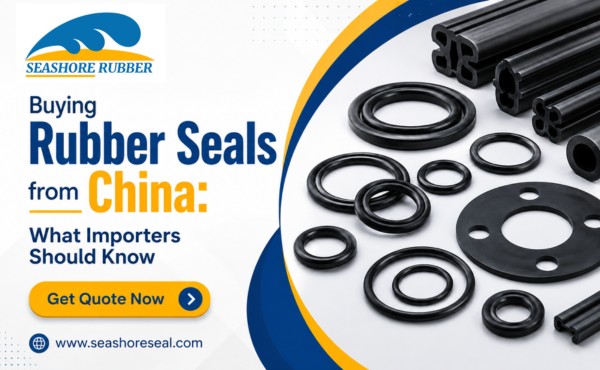
Buying Rubber Seals from China: What Importers Should Know
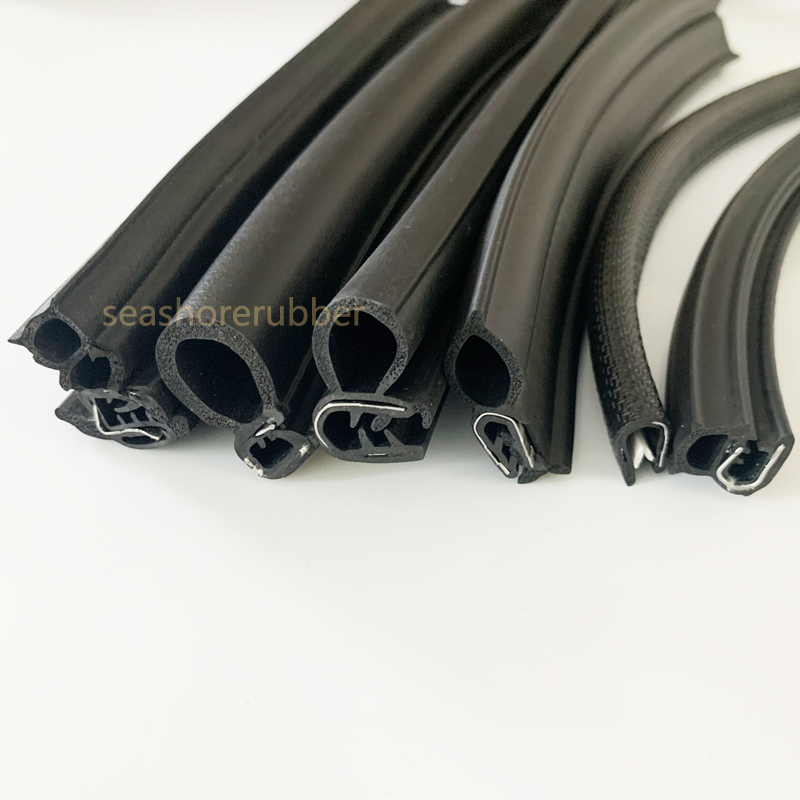
Buying rubber seals from China can be a cost-effective way for importers, distributors, OEM buyers, and industrial product suppliers to secure stable sealing solutions at competitive prices. China has a large rubber manufacturing base, flexible customization capability, and strong export experience, making it a popular sourcing destination for rubber gaskets, rubber profiles, O-rings, molded seals, and extruded sealing strips.
However, successful sourcing is not only about finding the lowest price. Importers must understand rubber materials, tooling requirements, tolerances, quality control, packaging, lead time, and supplier capability before placing bulk orders. A well-selected Chinese rubber seal manufacturer can help reduce purchasing costs, improve product consistency, and support long-term supply needs.
Why Importers Buy Rubber Seals from China
China is one of the most common sourcing markets for rubber sealing products because manufacturers can support both standard and custom production. Whether buyers need simple rubber strips or complex molded sealing parts, many factories can produce according to drawings, samples, or application requirements.
For importers, the main advantages include:
- Competitive pricing for bulk orders
- Flexible OEM and ODM customization
- Wide material options for different working environments
- Support for drawings, samples, and custom tooling
- Export packaging and international shipping experience
- Stable supply for distributors and repeat orders
This makes China suitable for buyers serving construction, automotive, machinery, electrical equipment, marine, HVAC, window and door, glazing, and industrial maintenance markets.
Rubber Seals You Can Source from China Suppliers
Different industries require different sealing designs. Before contacting suppliers, importers should first confirm the product type they need.
| Rubber Seal Type | Common Use |
|---|---|
| Rubber gaskets | Used between two surfaces to prevent leakage |
| O-rings | Used in hydraulic, pneumatic, and mechanical systems |
| Extruded rubber seals | Used for doors, windows, machines, vehicles, and panels |
| Sponge rubber seals | Used where soft compression and cushioning are needed |
| Rubber edge trims | Protect sharp edges and improve sealing performance |
| Custom molded rubber parts | Produced by mold for special shapes or technical applications |
| Glazing rubber seals | Used to seal glass inside aluminum, steel, PVC, or wooden frames |
For importers, choosing the correct seal type is important because each production method has different tooling costs, MOQ, tolerance control, and delivery time.
Choose the Right Rubber Material Before Ordering
Material selection is one of the most important steps when buying rubber seals from China. The wrong material may crack, swell, harden, deform, or fail early after installation.
EPDM Rubber Seals
EPDM is widely used for outdoor sealing because it has good resistance to weather, ozone, UV exposure, and aging. It is commonly used for window seals, door seals, glazing seals, curtain wall seals, automotive weatherstrips, and construction sealing profiles.
EPDM is usually a good choice when the seal needs to work outdoors or face long-term sunlight, rain, and temperature changes.
Silicone Rubber Seals
Silicone rubber offers excellent flexibility and temperature resistance. It is often used in food-grade, medical, electrical, lighting, kitchenware, and high-temperature applications.
Importers should confirm whether food-grade or FDA-related material is required when silicone seals may contact food or sensitive products.
NBR Rubber Seals
NBR, also called nitrile rubber, is commonly used where oil and fuel resistance are required. It is suitable for machinery, automotive, hydraulic systems, pumps, engines, and industrial equipment.
If the seal will contact oil, grease, diesel, or hydraulic fluid, NBR is often more suitable than EPDM.
Neoprene Rubber Seals
Neoprene provides balanced resistance to weather, oil, abrasion, and general industrial conditions. It is often used for equipment sealing, marine parts, vibration control, and protective rubber components.
TPE and PVC Sealing Profiles
TPE and PVC are sometimes used for cost-sensitive sealing profiles, especially in construction, furniture, vehicle interiors, and light-duty sealing applications. They may not offer the same long-term durability as some rubber compounds, but they can be suitable for certain projects with clear cost requirements.
What Importers Should Confirm Before Buying
Before requesting a quotation, importers should prepare clear technical information. This helps suppliers quote accurately and avoid production mistakes.
Application Environment
The supplier needs to know where and how the rubber seal will be used. A seal used outdoors has different requirements from a seal used inside a machine, vehicle, or cabinet.
Important details include:
- Indoor or outdoor use
- Temperature range
- Contact with oil, water, chemicals, fuel, or salt spray
- UV and ozone exposure
- Compression or friction requirements
- Static sealing or moving sealing
- Expected service life
The more clearly you explain the application, the easier it is for the factory to recommend the right material and production method.
Size and Tolerance
Rubber seals are often small parts, but dimensional accuracy is critical. Even a small tolerance problem can cause leakage, loose installation, or assembly failure.
Importers should confirm:
- Length, width, thickness, inner diameter, or outer diameter
- Cross-section shape
- Shore A hardness
- Compression requirements
- Tolerance range
- Drawing version
- Sample approval process
For custom rubber seals, providing CAD drawings or physical samples is much better than only sending photos.
Hardness
Rubber hardness is usually measured by Shore A. Softer rubber compresses more easily, while harder rubber provides stronger support and shape stability.
A soft seal may work better for gaps, cushioning, and flexible contact. A harder seal may be better for mechanical support or tight assembly. Importers should not choose hardness randomly; it should match the installation structure and sealing pressure.
Tooling and Mold Cost
Some rubber seals can be produced with existing molds or extrusion dies, while custom profiles and molded rubber parts usually require new tooling.
Before placing an order, confirm:
| Item | Why It Matters |
|---|---|
| Tooling cost | Affects total project budget |
| Tooling lead time | Impacts sample and production schedule |
| Tool ownership | Clarifies whether the mold belongs to the buyer |
| Mold maintenance | Helps support repeat orders |
| Sample cost | Needed before mass production approval |
For long-term buyers, paying for accurate tooling is usually worthwhile because it improves fit, consistency, and repeat production quality.
Quality Control for Rubber Seals
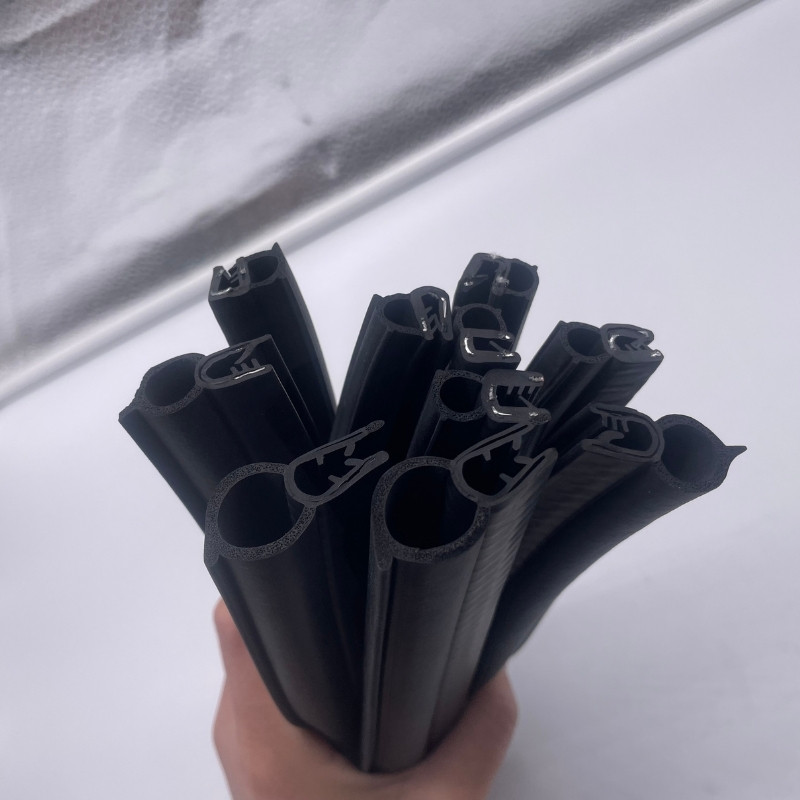
Quality control is a key concern for importers. Low-quality rubber seals may look acceptable at first, but they can fail after installation due to poor material, unstable hardness, inaccurate size, or weak elasticity.
A reliable rubber seal supplier should check both material and finished products.
Raw Material Inspection
The supplier should control rubber compound quality before production. Poor compound consistency can lead to different hardness, color variation, cracking, weak tensile strength, or poor aging resistance.
Dimensional Inspection
Rubber seals should be checked against drawings, samples, or approved specifications. For extruded rubber profiles, cross-section consistency is especially important because long profiles may deform during production, cooling, cutting, or packaging.
Surface Inspection
Surface defects can affect both appearance and performance. Importers should check for:
- Cracks
- Bubbles
- Rough edges
- Deformation
- Color differences
- Uneven cutting
- Flash on molded parts
- Surface contamination
Compression and Recovery
A good seal should compress properly and recover its shape after pressure is removed. Poor recovery may cause leakage or loose sealing after repeated use.
Sample Approval
Importers should always request samples before mass production. Sample approval helps confirm material, hardness, size, surface finish, installation fit, and packaging method.
Skipping sample testing may save time at the beginning, but it can lead to expensive problems after bulk shipment.
Certifications and Compliance Importers May Need
Not every rubber seal requires certification, but some markets and industries may need compliance documents. Importers should confirm requirements based on the final application and destination market.
Common compliance documents may include:
| Requirement | Common Application |
|---|---|
| RoHS | Electrical and electronic products |
| REACH | Products entering the EU market |
| FDA-related material | Food contact or kitchen applications |
| Material test report | Industrial or OEM purchasing |
| Flame resistance report | Electrical cabinets, transport, or building use |
| Automotive-related standards | Vehicle sealing and replacement parts |
Buyers should not assume that every supplier can provide every certificate. It is better to confirm documents before ordering, especially for regulated applications.
How to Choose a Reliable Manufacturer
Check Manufacturing Experience
A factory with years of rubber seal production experience usually understands material behavior, tooling design, extrusion control, molding problems, and export requirements better than a general trading company.
Ask what types of rubber seals they produce most often and which industries they serve.
Review Custom Production Ability
If you need custom rubber seals, the supplier should be able to work with drawings, samples, hardness requirements, color options, material formulas, and packaging needs.
A capable manufacturer should help confirm whether your design is practical for extrusion, molding, cutting, or assembly.
Ask About Production Capacity
For distributors and bulk buyers, stable capacity matters. Ask about production lines, monthly output, lead time, and repeat order support. A supplier may offer a good sample but fail to deliver stable quality at large volume if production control is weak.
Evaluate Communication
Good communication reduces sourcing risk. The supplier should respond clearly, confirm details carefully, and ask technical questions before quoting. If a supplier gives a price without asking about material, size, tolerance, or application, the quotation may not be reliable.
Check Export Packaging
Rubber profiles can bend, deform, or stick together during transport if packaging is poor. Importers should confirm carton size, roll packaging, pallet protection, labeling, and moisture protection before shipment.
This is especially important for long extruded rubber seals, glazing rubber profiles, and soft sponge rubber products.
Common Mistakes Importers Should Avoid
Many sourcing problems come from unclear requirements, not just supplier quality. Importers can reduce risk by avoiding these common mistakes.
Choosing Only the Lowest Price
The cheapest rubber seal may use lower-grade material, inaccurate tooling, loose tolerance, or poor packaging. For sealing products, failure can cost more than the price difference.
A better approach is to compare price together with material, tolerance, production method, sample quality, and supplier reliability.
Not Confirming Material
EPDM, NBR, silicone, neoprene, PVC, and TPE are not interchangeable. Each material has different strengths and weaknesses. Always confirm the rubber compound based on the real working environment.
Skipping Sample Testing
Photos and catalogs are not enough for custom rubber seals. Samples allow buyers to test fit, compression, hardness, and surface quality before mass production.
Ignoring Tooling Details
For custom rubber seals, tooling affects the final shape and consistency. Importers should confirm tooling cost, lead time, ownership, and whether the mold can be used for future repeat orders.
Poor Packaging Planning
Packaging is often ignored until shipment. Long rubber seals, soft sponge seals, and precision profiles need proper packaging to prevent deformation, bending, or surface damage.
Questions to Ask a Rubber Seal Supplier
Before placing a bulk order, importers can use these questions to evaluate suppliers:
- What rubber materials do you support?
- Can you produce according to drawings or samples?
- What Shore A hardness options are available?
- Do you have existing molds for standard profiles?
- What is the MOQ for custom and standard rubber seals?
- What is the tooling cost and lead time?
- Can you provide pre-production samples?
- How do you inspect dimensions and hardness?
- Can you provide material reports or compliance documents?
- What packaging do you use for export orders?
- How long is the production lead time?
- Do you support repeat orders and long-term supply?
These questions help importers quickly understand whether the supplier is suitable for serious cooperation.
Final Tips for Buying Rubber Seals from China
Buying rubber seals from China can bring strong cost and supply advantages, but the best results come from clear communication and proper technical confirmation. Importers should start with application details, material requirements, drawings, hardness, tolerance, quantity, and packaging expectations.
Do not judge suppliers only by price. A reliable Chinese rubber seal manufacturer should offer material guidance, sample support, stable production, quality inspection, and export packaging. For long-term sourcing, working with the right factory can reduce quality problems, shorten purchasing cycles, and improve customer satisfaction in your local market.
Frequent Askded Questions
Is China a good place to buy rubber seals?
Yes. China has many rubber seal manufacturers that support standard products, custom production, OEM orders, bulk purchasing, and export supply. It is suitable for importers, distributors, and industrial buyers.
Can Chinese factories make custom rubber seals?
Yes. Many factories can produce custom rubber seals according to drawings, samples, material requirements, hardness, color, and packaging needs. Custom tooling may be required for special shapes.
What is the best material for rubber seals?
There is no single best material for all uses. EPDM is good for outdoor weather resistance, silicone is good for high temperature and flexibility, NBR is good for oil resistance, and neoprene is suitable for general industrial use.
Should I request samples before bulk orders?
Yes. Samples help confirm size, hardness, material, surface finish, installation fit, and packaging before mass production. This is especially important for custom rubber seals.
What information should I send to get an accurate quotation?
You should send drawings or samples, material requirements, size, tolerance, hardness, quantity, application environment, color, packaging needs, and destination country.
What affects the price of rubber seals?
Price is affected by material type, product size, hardness, tolerance, tooling, order quantity, production method, surface finish, packaging, and shipping terms.
How long does production usually take?
Lead time depends on product type, tooling, sample approval, order quantity, and factory schedule. Custom rubber seals usually need more time than standard products because tooling and sample confirmation are required.


Leave a Reply
Want to join the discussion?Feel free to contribute!