
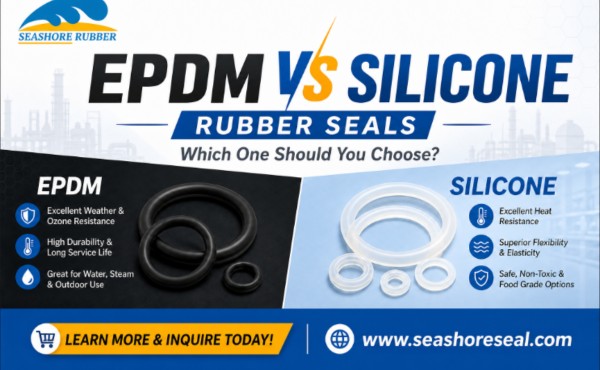
EPDM vs Silicone Rubber Seals: Which One Should You Choose?
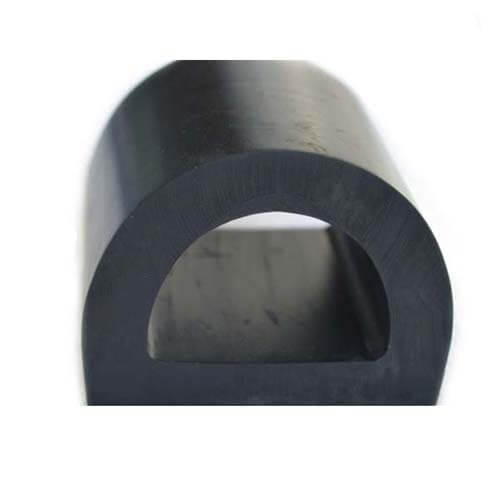
Both EPDM and silicone rubber seals offer excellent sealing performance, but the right choice depends on your application requirements. EPDM is the preferred option for outdoor environments due to its outstanding weather, UV, ozone, and water resistance, while silicone performs better in extreme temperature conditions and applications requiring flexibility at very high or low temperatures.
Factors such as operating environment, temperature range, chemical exposure, and budget should all be considered when selecting a sealing material. If you are unsure which material is best for your project, working with an experienced rubber seal manufacturer can help you find the most suitable solution.
Silicone vs EPDM Rubber Seals: Quick Comparison
Key Differences
When comparing silicone and EPDM, it helps to look at their main features side by side. Both materials serve as popular choices for seals, but they perform differently in certain conditions. Here is a quick gasket material comparison:
| Property | EPDM | Silicone |
|---|---|---|
| Temperature Range | -40°F to 250°F | -80°F to 450°F |
| UV/Ozone Resistance | Excellent | Excellent |
| Water Resistance | Outstanding | Good |
| Chemical Resistance | Good (mild acids/alkalis) | Excellent (many chemicals) |
| Flexibility | Good | Superior |
| Cost | Lower | Higher |
- EPDM works well outdoors. It resists sunlight, ozone, and water.
- Silicone handles extreme temperatures. It stays flexible in both hot and cold environments.
- In a gasket material comparison, EPDM often costs less than silicone.
- Silicone offers better chemical resistance, especially with oils and solvents.
When to Use Each
Choosing between silicone and EPDM rubber seals depends on your needs. Here are some guidelines to help you decide:
- Use EPDM when you need a seal for outdoor use, water systems, or exposure to weather. It works well for window seals, automotive doors, and roofing.
- Choose silicone for applications with high or low temperatures. It is ideal for food processing, medical devices, and electronics.
- If you need a gasket material comparison for chemical resistance, silicone is better for harsh chemicals. EPDM handles mild acids and alkalis but not oils.
- For projects with a tight budget, EPDM is usually the more affordable option.
What is EPDM Rubber?
EPDM rubber is a synthetic elastomer that stands out for its durability and flexibility. The name EPDM comes from its chemical structure: ethylene propylene diene monomer. This elastomer is widely used in industries that need reliable sealing solutions. EPDM rubber is known for its ability to withstand harsh environments. It does not break down easily when exposed to sunlight, ozone, or water.
EPDM Rubber Properties
EPDM rubber has several important properties that make it a popular elastomer for seals and gaskets. Here are some key features:
- Excellent resistance to UV rays and ozone
- Outstanding water resistance
- Good flexibility, even at low temperatures
- Moderate resistance to mild acids and alkalis
- Poor resistance to oils and solvents
The table below shows how EPDM rubber compares to other elastomers:
| Property | EPDM Rubber | Natural Rubber | Nitrile Rubber |
|---|---|---|---|
| UV Resistance | High | Low | Moderate |
| Water Resistance | High | Moderate | Low |
| Flexibility | High | High | Moderate |
Common Uses for EPDM
EPDM rubber is used in many products and industries. This elastomer is found in:
- Automotive weatherstripping and door seals
- Roofing membranes
- Window seals
- Garden hoses
- Electrical insulation
Manufacturers choose EPDM rubber when they need a seal that lasts outdoors. This elastomer is also used in water systems because it resists moisture. EPDM vs Silicone Rubber Seals is a common comparison for these applications. EPDM rubber offers a cost-effective solution for many sealing needs.
What is Silicone Rubber?
Silicone rubber is a synthetic material known for its flexibility and stability. It stands out because it can handle both very high and very low temperatures. Many industries use this material for seals and gaskets that need to perform in extreme conditions.
Silicone Rubber Properties
Silicone rubber has a unique set of properties. These features make it a top choice for many technical applications.
- Wide Temperature Range: It stays flexible from -80°F up to 450°F. This means it works well in freezers and ovens.
- Excellent Flexibility: It does not become brittle in cold weather. It remains soft and elastic even after years of use.
- Good Chemical Resistance: It resists many chemicals, including oils and solvents. This makes it useful in harsh environments.
- Non-Toxic and Inert: It does not react with most substances. Many food and medical products use it for this reason.
- Electrical Insulation: It does not conduct electricity. This property is important for electronic devices.
The table below shows how silicone rubber compares to EPDM:
| Property | Silicone Rubber | EPDM |
|---|---|---|
| Temperature Range | -80°F to 450°F | -40°F to 250°F |
| Chemical Resistance | High | Moderate |
| Flexibility | Superior | Good |
Common Uses for Silicone
Many products rely on silicone rubber for reliable sealing. Here are some common uses:
- Food processing equipment
- Medical devices and tubing
- Oven and freezer door seals
- Electronics and electrical insulation
- Aerospace and automotive gaskets
Manufacturers choose this material when they need seals that can handle heat, cold, or chemicals. It is also popular in industries that require clean and non-reactive materials.
Tip: If your project involves extreme temperatures or sensitive environments, silicone rubber is often the best choice.
Physical Properties
Temperature Resistance
Temperature resistance is a key factor when choosing a seal for demanding environments. EPDM performs well in most outdoor and industrial settings. It can handle temperatures from -40°F up to 250°F. This range covers many common applications, including automotive and construction.
Silicone stands out as a high-performance material for extreme temperatures. It remains flexible and stable from -80°F to 450°F. This makes it suitable for both freezers and ovens. Silicone does not lose its shape or crack when exposed to intense heat or deep cold. Many industries rely on silicone for equipment that faces rapid temperature changes.
Flexibility and Compression Set
Flexibility helps a seal maintain its shape and function over time. EPDM provides good flexibility, especially in outdoor conditions. It resists hardening and stays soft even after years of sun and rain. This property helps EPDM seals last longer in weather-exposed areas.
Silicone offers superior flexibility. It does not become brittle in cold or lose elasticity in heat. This material bounces back after being compressed, which means it has a low compression set. Seals made from silicone keep their original shape and sealing ability, even after repeated use.
A quick comparison:
| Property | EPDM | Silicone |
|---|---|---|
| Flexibility | Good | Superior |
| Compression Set | Moderate | Low |
| Cold Resistance | Good | Excellent |
Durability and Tear Strength
Durability measures how well a seal stands up to wear, weather, and chemicals. EPDM is known for its durability in outdoor and water-based environments. It resists UV rays, ozone, and moisture. This makes it a popular choice for roofing, windows, and automotive seals.
Silicone also offers strong durability, especially in harsh chemical or temperature conditions. It resists cracking and remains stable when exposed to oils and solvents. However, EPDM usually has higher tear strength. This means EPDM can handle more physical stress before breaking. Silicone, while flexible, may tear more easily if pulled or cut.
Key points to consider:
- EPDM provides excellent tensile strength and high tensile strength, making it reliable for heavy-duty seals.
- Silicone is best for applications that need a seal to survive extreme temperatures and chemical exposure.
- Both materials offer long service life, but the right choice depends on the specific demands of your project.
Environmental & Chemical Resistance
UV and Ozone Resistance
Both EPDM and silicone rubber seals offer strong protection against UV rays and ozone. These two factors can cause many materials to crack or fade when exposed to outdoor weather. EPDM stands out for its excellent weather resistance. It does not break down quickly under sunlight or in the presence of ozone. This makes EPDM a top choice for seals used in roofing, windows, and automotive parts that face constant weather exposure.
Silicone rubber also provides impressive weather resistance. It keeps its shape and flexibility even after years in direct sunlight. Many industries rely on silicone for outdoor equipment because it resists damage from UV and ozone. When comparing EPDM vs Silicone Rubber Seals, both materials perform well in harsh environmental conditions, but EPDM often lasts longer in wet or humid weather.
Chemical Compatibility
Chemical resistance is another key factor when choosing a seal. EPDM provides good chemical resistance to mild acids and alkalis. It works well in water systems and outdoor settings where exposure to chemicals is limited. However, EPDM does not perform well with oils or solvents.
Silicone rubber offers a higher level of chemical resistance. It stands up to many chemicals, including oils, solvents, and some acids. This makes silicone a better option for industries that use cleaning agents or face frequent chemical spills. Both materials show strong resistance to chemicals, but silicone covers a wider range.
- EPDM: Best for water, mild acids, and alkalis.
- Silicone: Best for oils, solvents, and harsh chemicals.
When selecting between EPDM and silicone, always check the specific chemicals the seal will face. The right choice ensures safety and extends the life of your equipment.
Cost and Sustainability
Price Comparison
Price plays a big role when choosing seal materials. EPDM is usually less expensive than silicone. Many automotive manufacturers select EPDM for door seals and weatherstripping because it helps reduce costs. Construction projects often use EPDM for roofing and window seals. Silicone costs more due to its ability to handle extreme temperatures and chemicals. In automotive applications, silicone is used for parts that need to withstand heat, such as engine gaskets. The table below shows a basic price comparison:
| Material | Typical Cost | Common Uses |
|---|---|---|
| EPDM | Lower | Automotive, construction |
| Silicone | Higher | Automotive, medical, food |
Lifespan and Maintenance
Both EPDM and silicone seals last a long time. EPDM works well outdoors and resists weather damage. Automotive seals made from EPDM can last for years without cracking. Construction sites rely on EPDM for durability in roofing and windows. Silicone seals last even longer in harsh environments. Automotive parts that face high heat or chemicals often use silicone for extended performance. Maintenance needs are low for both materials. EPDM may require replacement sooner if exposed to oils. Silicone keeps its shape and flexibility, reducing the need for frequent maintenance.
- EPDM: Long-lasting in outdoor and water applications
- Silicone: Superior lifespan in extreme heat and chemical exposure
Environmental Impact
Sustainability matters in modern manufacturing. EPDM is recyclable and often used in eco-friendly construction. Automotive companies recycle EPDM from old vehicles. Silicone is also recyclable, but the process is more complex. Both materials resist degradation, which reduces waste. EPDM production uses fewer resources, making it a greener choice for construction and automotive industries. Silicone’s durability means fewer replacements, which helps lower environmental impact over time.
Choosing the Right Seal
Application-Based Recommendations
Selecting the right material depends on where and how you plan to use it. For outdoor applications, EPDM works well because it resists sunlight, rain, and temperature changes. This makes it a strong choice for window seals, roofing, and garden hoses. Silicone is better for places with extreme heat or cold. It stays flexible in freezers and ovens. Many food and medical products use silicone because it does not react with most substances. For outdoor applications that need to handle water and weather, EPDM is often the best option.
Key Factors to Consider
When choosing a seal, look at these important factors:
- Temperature Range: If your project faces very high or low temperatures, silicone is a safe bet. EPDM covers most normal outdoor conditions.
- Chemical Exposure: For projects with oils, solvents, or strong cleaning agents, silicone offers better protection.
- Environment: EPDM stands up to sunlight, ozone, and water. This makes it reliable for long-term outdoor use.
- Budget: EPDM usually costs less. If you need many seals for a large project, this can save money.
- Lifespan: Both materials last a long time, but silicone may last longer in harsh chemical or temperature environments.
FAQ
What is the main difference between EPDM and silicone rubber seals?
EPDM works best outdoors and in water. Silicone handles extreme temperatures and chemicals. Each material has unique strengths for different sealing needs.
Can EPDM or silicone rubber seals be used with oils?
EPDM does not resist oils well. Silicone rubber offers better protection against oils and solvents. For oil exposure, silicone is the safer choice.
Are EPDM and silicone rubber seals safe for food or medical use?
Silicone rubber is often used in food and medical products because it is non-toxic and inert. EPDM is not usually chosen for these applications.
Which seal lasts longer outdoors?
EPDM seals last a long time in outdoor conditions. They resist sunlight, rain, and ozone. Silicone also performs well but is usually chosen for temperature extremes.
How do I choose between EPDM and silicone rubber seals?
- List your project’s needs.
- Check temperature, chemical exposure, and budget.
- Match the material to your main challenge.
- EPDM fits most outdoor uses. Silicone suits high heat or chemical resistance.


Leave a Reply
Want to join the discussion?Feel free to contribute!