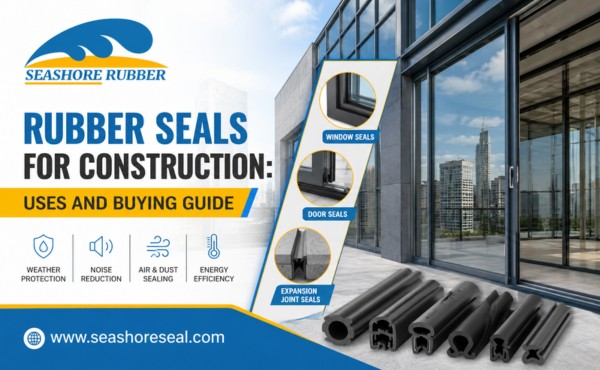
Rubber Seals for Construction: Uses and Buying Guide
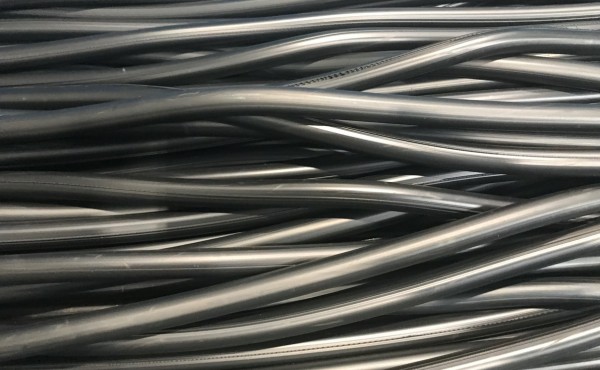
Rubber seals are flexible sealing components used to close gaps between two surfaces. In construction applications, they are commonly installed around joints, frames, panels, pipes, glass systems, metal structures, doors, windows, and equipment parts.
Their main function is to create a protective barrier. This barrier can stop water from entering, reduce air leakage, prevent dust and dirt from passing through, absorb movement, and protect connected parts from damage. Because construction environments often face sunlight, rain, temperature changes, pressure, and mechanical movement, rubber seals must be durable enough to perform under demanding conditions.
Common construction rubber sealing products include rubber strips, rubber gaskets, sponge rubber seals, O-rings, weatherstrips, expansion joint seals, and custom rubber profiles.
Why Rubber Seals Are Important in Construction
Waterproofing and Moisture Protection
Water leakage is one of the most common problems in buildings. Rainwater, groundwater, condensation, and moisture can enter through small gaps around windows, doors, roofs, panels, and pipe openings. Over time, this may cause corrosion, mold, wall damage, insulation failure, and costly repairs.
Rubber seals help block water paths and protect building structures from moisture damage. This is especially important for exterior walls, roofing systems, curtain walls, basement areas, and prefabricated construction joints.
Air Sealing and Energy Efficiency
Unsealed gaps allow air to move in and out of a building. This can reduce indoor comfort and increase heating or cooling costs. Rubber seals around windows, doors, HVAC systems, and wall joints help improve airtightness.
Better air sealing supports energy-efficient building design. It can also reduce drafts, dust entry, and temperature loss, making the indoor environment more stable and comfortable.
Noise and Vibration Reduction
Construction rubber seals are also useful for sound control and vibration absorption. In doors, windows, machinery bases, wall panels, and industrial buildings, rubber can reduce impact, movement, and noise transmission.
This makes rubber seals valuable in residential buildings, commercial spaces, factories, transportation facilities, and mechanical rooms where comfort and equipment protection are important.
Long-Term Building Durability
A rubber seal may look like a small component, but it can strongly affect the service life of a construction system. Poor sealing can lead to water damage, loose connections, material aging, and structural problems. High-quality rubber seals help protect building components from environmental stress and daily movement.
For large projects, choosing durable seals from the beginning can reduce maintenance work and replacement costs later.
Common Types of Rubber Seals Used in Construction
Rubber Gaskets
Rubber gaskets are widely used between two surfaces to create a tight seal. In construction, they are often used for windows, doors, glass systems, pipe flanges, wall panels, prefabricated parts, and mechanical equipment.
They can be made in flat, round, square, or custom shapes depending on the installation area. A good gasket should have proper compression, strong recovery, and suitable resistance to weather or chemicals.
Rubber Strips
Rubber strips are simple but versatile sealing products. They are used for gap filling, edge protection, anti-slip support, shock absorption, and weather sealing. Construction rubber strips can be supplied in rolls or cut lengths, with or without adhesive backing.
They are often used around doors, access panels, metal edges, roof parts, containers, machinery covers, and temporary construction structures.
Sponge Rubber Seals
Sponge rubber seals are softer and more compressible than solid rubber. They are useful when the gap is uneven or when light pressure is needed to create a seal.
In construction, sponge rubber is commonly used for door seals, window seals, weatherstripping, HVAC systems, panels, and enclosure sealing. Closed-cell sponge rubber is preferred for many sealing applications because it resists water absorption better than open-cell materials.
Rubber O-Rings
Rubber O-rings are circular seals used in plumbing, pipe fittings, valves, pumps, and construction machinery systems. They help prevent leakage in water, oil, air, and hydraulic systems.
Although O-rings are small, material selection is very important. For example, NBR is often used for oil resistance, while EPDM is better for water and outdoor exposure.
Custom Rubber Profiles
Custom rubber profiles are designed for specific construction joints or frame systems. They are often used in curtain walls, aluminum window systems, facade systems, roofing structures, glass installations, and special industrial buildings.
Custom profiles allow buyers to control the shape, hardness, size, color, material, surface finish, and installation method. This is useful when standard seals cannot meet the project’s technical requirements.
Best Rubber Materials for Construction Seals
EPDM Rubber
EPDM is one of the most common materials for construction rubber seals. It offers excellent resistance to weather, ozone, UV, rainwater, and temperature changes. This makes it suitable for outdoor building applications.
EPDM rubber seals are widely used in doors, windows, curtain walls, roofing systems, facade joints, and exterior weatherstripping. For projects exposed to sunlight and rain, EPDM is often a better choice than general-purpose rubber.
Neoprene Rubber
Neoprene provides good weather resistance, moderate oil resistance, and strong mechanical performance. It is often used where the seal needs to handle compression, vibration, and outdoor exposure.
In construction, neoprene rubber can be used for bridge pads, vibration pads, gaskets, expansion joints, and general sealing parts. It is also suitable for some industrial building applications.
NBR Rubber
NBR, also called nitrile rubber, is known for its resistance to oil, fuel, and grease. It is not usually the first choice for outdoor weather sealing, but it works well in construction machinery, hydraulic systems, pumps, valves, and equipment components.
If a seal will contact oil or petroleum-based fluids, NBR may be more suitable than EPDM.
Silicone Rubber
Silicone rubber has excellent flexibility and temperature resistance. It can perform well in both high and low temperatures. It is also commonly used where clean appearance, flexibility, or heat resistance is required.
In construction, silicone rubber seals may be used for special architectural systems, lighting fixtures, high-temperature areas, and sealing parts that need long-term flexibility.
Natural Rubber
Natural rubber has good elasticity and vibration absorption. It can be used for cushioning, anti-vibration pads, and some indoor sealing applications. However, it is not ideal for long-term outdoor use because it has weaker resistance to UV, ozone, and weather aging compared with EPDM.
Main Applications of Rubber Seals in Construction
Windows and Doors
Windows and doors need rubber seals to prevent water leakage, air drafts, dust entry, and noise transmission. Rubber weatherstrips are installed around frames, glass edges, and opening parts to improve sealing performance.
For exterior windows and doors, EPDM rubber is commonly used because it can resist sunlight, rain, and temperature changes.
Curtain Wall and Facade Systems
Modern buildings often use glass curtain walls and aluminum facade systems. These systems need reliable rubber seals to hold glass, seal joints, absorb movement, and prevent water penetration.
Custom rubber profiles are often used because facade systems have specific shapes and installation requirements. The seal must fit correctly to maintain both performance and appearance.
Roofing and Waterproofing Systems
Roofing systems face direct exposure to rain, sunlight, wind, and temperature changes. Rubber seals are used around roof joints, drainage points, flashing areas, skylights, vents, and metal roofing connections.
A durable roofing seal must resist aging, cracking, and compression loss. EPDM is commonly selected for this type of application.
Expansion Joints
Buildings, bridges, and concrete structures move slightly due to temperature changes, settlement, vibration, and load pressure. Expansion joint rubber seals allow movement while helping maintain waterproofing and dust protection.
These seals must combine flexibility, strength, and long-term recovery. Poor-quality expansion joint seals may crack, deform, or lose sealing performance over time.
Plumbing and Pipe Connections
Rubber seals are widely used in water supply, drainage, HVAC, and pipe connection systems. They help prevent leakage and maintain pressure stability.
Different materials are selected depending on the medium. EPDM is suitable for water and steam in many cases, while NBR is preferred when oil resistance is required.
Construction Machinery and Equipment
Construction equipment uses rubber seals in engines, hydraulic cylinders, pumps, valves, filters, and covers. These seals protect moving parts, prevent fluid leakage, and keep dust or dirt away from sensitive components.
For machinery applications, buyers must consider oil resistance, pressure, wear resistance, and temperature conditions.
How to Choose the Right Rubber Seal for Construction Projects
Understand the Installation Environment
The first step is to understand where the seal will be used. Indoor and outdoor applications have different requirements. A seal used on an exterior building facade must resist UV, ozone, rain, and temperature changes. A seal used inside machinery may need oil resistance and pressure resistance.
Before purchasing, buyers should confirm whether the seal will face water, sunlight, dust, oil, chemicals, heavy compression, movement, or high temperature.
Choose the Correct Rubber Material
Material selection directly affects seal life. EPDM is usually recommended for outdoor construction sealing because it performs well against weather and UV exposure. NBR is better for oil-related applications. Silicone is suitable for temperature resistance and flexible sealing. Neoprene offers balanced performance for vibration and general outdoor use.
Using the wrong material can cause early cracking, swelling, hardening, or leakage.
Match the Seal Shape to the Gap
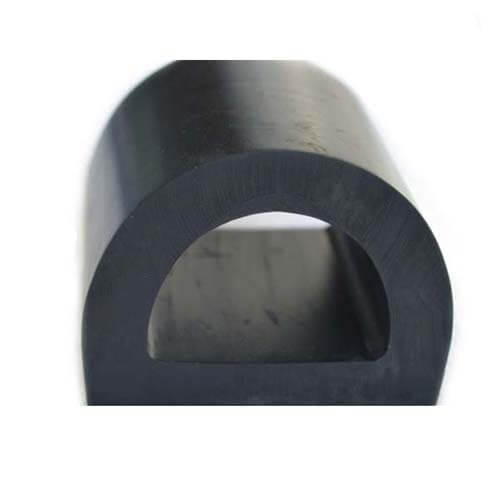
The seal shape should match the structure of the joint or installation space. A flat gasket may work for one surface, while a D-shaped sponge seal, round cord, U-channel, or custom profile may work better for another.
For special construction systems, a custom profile can provide better contact, easier installation, and more reliable sealing.
Check Compression and Recovery
A rubber seal must compress enough to close the gap, but it should also recover after pressure is released. If the seal is too hard, it may not fit the gap properly. If it is too soft, it may deform too quickly.
Compression set is an important factor. A seal with poor recovery may become flat over time and lose its sealing ability.
Consider Size, Tolerance, and Installation Method
For construction projects, small size errors can create big installation problems. Buyers should confirm width, height, thickness, inner diameter, outer diameter, hardness, and tolerance before production.
Installation method is also important. Some seals are pressed into grooves, some are bonded with adhesive, and others are fixed mechanically. Adhesive-backed rubber seals can save installation time, but the adhesive must match the surface and environment.
Decide Between Standard and Custom Seals
Standard rubber seals are suitable for common applications and may offer faster delivery. Custom rubber seals are better when the project needs a special shape, unique size, specific material, color, hardness, or packaging.
For large construction projects, custom seals can improve fit, reduce waste, and support more consistent installation quality.
Frequent Askded Questions
What is the best rubber material for outdoor construction seals?
EPDM is usually the best choice for outdoor construction seals because it has excellent resistance to weather, UV, ozone, rainwater, and temperature changes.
Are rubber seals used for building waterproofing?
Yes. Rubber seals are widely used in windows, doors, curtain walls, roofs, expansion joints, pipe openings, and facade systems to help prevent water leakage.
What is the difference between solid rubber and sponge rubber seals?
Solid rubber seals provide stronger support, wear resistance, and durability. Sponge rubber seals are softer and more compressible, making them better for uneven gaps and light-pressure sealing.
Can rubber seals be customized for construction projects?
Yes. Rubber seals can be customized by material, shape, size, hardness, color, adhesive backing, cut length, and packaging. Custom profiles are often used for curtain walls, windows, doors, and special construction joints.
How do I choose the right rubber seal for construction use?
You should consider the installation environment, gap size, seal shape, rubber material, compression requirement, temperature range, chemical exposure, and whether a standard or custom seal is needed.
Conclusion
Rubber seals are essential components in the construction industry. They help protect buildings and construction systems from water leakage, air loss, dust, vibration, noise, and weather damage. Whether used in windows, doors, curtain walls, roofing systems, pipe connections, expansion joints, or construction machinery, the right seal can improve project quality and reduce long-term maintenance costs.
For most outdoor building applications, EPDM rubber seals are a reliable choice because of their strong weather and UV resistance. For oil-related machinery parts, NBR may be more suitable. For special shapes or demanding project requirements, custom rubber seals can provide better fit, better sealing performance, and easier installation.
When purchasing rubber seals for construction projects, buyers should focus on material performance, seal design, compression recovery, size accuracy, and supplier customization capability.


Leave a Reply
Want to join the discussion?Feel free to contribute!