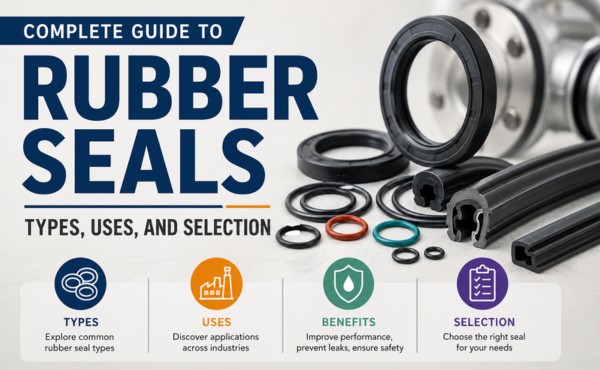
Complete Guide to Rubber Seals: Types, Uses, and Selection
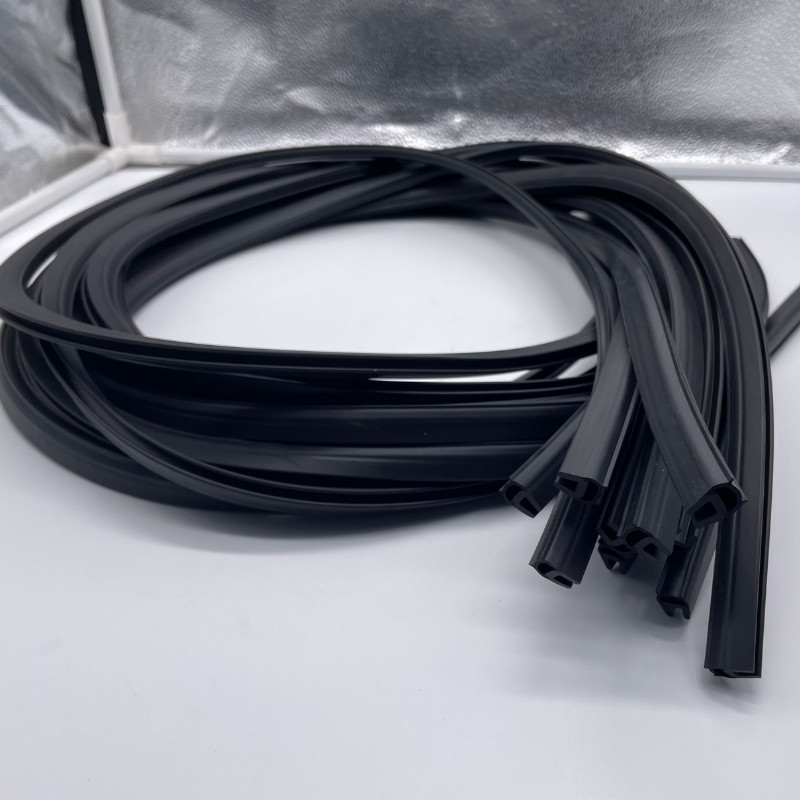
Rubber seals help prevent leaks and protect against dust, water, and other environmental hazards. These components play a vital part in sealing gaps and ensuring secure sealing in machines, vehicles, and devices. People rely on effective rubber seals in industries such as automotive, aerospace, and electronics. The complete guide to rubber seals shows why understanding their purpose and function is important for safety and performance.
What Are Rubber Seals?
Definition and Purpose
Rubber seals are flexible components made from various rubber materials. Their main purpose is to fill gaps between surfaces and prevent unwanted substances from passing through. These seals help keep fluids, gases, and particles contained. They also protect equipment from dust, moisture, and other environmental hazards. Many industries rely on rubber seals to maintain the integrity of their products and systems.
There are several types of rubber seals. Each type serves a unique function. Some seals are designed for high-pressure environments, while others work best in low-pressure settings. The right seal ensures that machines operate safely and efficiently.
Choosing the correct type of rubber seal improves seal integrity and extends the lifespan of equipment.
How Rubber Seals Work
Rubber seals work by creating a tight barrier between two surfaces. When compressed, the rubber material forms a seal that blocks leaks and prevents contamination. The elasticity of rubber allows the seal to adjust to changes in pressure and temperature. This flexibility helps maintain seal integrity even when conditions change.
Different types of rubber seals use various shapes and designs. O-rings, gaskets, and lip seals are common examples. Each type fits specific applications. For example, O-rings are often used in hydraulic systems, while gaskets are found in engines and pipes. The choice of seal depends on the requirements of the system.
A table below shows some common types of rubber seals and their typical uses:
| Type | Common Use |
|---|---|
| O-Ring | Hydraulic systems |
| Gasket | Engines, pipes |
| Lip Seal | Rotating shafts |
| Diaphragm | Pumps, valves |
| Bellows | Flexible joints |
Importance in Industry
Rubber seals play a crucial role in many industries. They help protect sensitive equipment and ensure the integrity of systems. Without proper seals, machines can suffer from leaks, contamination, and damage. This can lead to costly repairs and downtime.
Industries such as automotive, aerospace, and electronics use different types of rubber seals to meet their needs. In automotive applications, seals prevent oil and coolant leaks. Aerospace systems depend on seal integrity to keep fuel and hydraulic fluids contained. Electronics use seals to protect devices from dust and moisture.
Maintaining the integrity of rubber seals is essential for safety and performance. Regular inspection and replacement help prevent failures. Understanding the types of rubber seals and their functions allows engineers and technicians to make informed choices.
Types of Rubber Seals
O-Rings
Features
O-rings are one of the most common types of rubber seals. These components have a simple circular cross-section. Their round shape allows them to fit into grooves and create a tight seal when compressed. O-rings can handle both static and dynamic applications. They are available in many sizes and materials, which makes them suitable for a wide range of environments. The elasticity of the rubber helps the O-ring return to its original shape after compression.
Uses
O-rings are used in many industries. They often appear in hydraulic cylinders, pumps, and valves. These seals prevent leaks in fuel systems, water pipes, and air compressors. O-rings also work well in automotive engines and braking systems. Their versatility makes them a popular choice for sealing fluids and gases. When selecting an O-ring, engineers consider factors such as temperature, pressure, and chemical exposure.
Gaskets
Features
Gaskets are flat or shaped components that fill the space between two surfaces. They are designed to prevent leaks by creating a barrier that blocks the passage of fluids or gases. Gaskets can be made from many materials, but rubber gaskets are especially valued for their flexibility and resilience. The thickness and shape of a gasket can vary depending on the application. Some gaskets have a simple flat design, while others feature complex profiles to fit specific equipment.
A table below highlights common types of gaskets and their typical uses:
| Gasket Type | Typical Use |
|---|---|
| Flat Gasket | Pipe flanges, covers |
| Spiral Wound Gasket | High-pressure systems |
| Ring Gasket | Valves, pumps |
| Envelope Gasket | Chemical processing |
Applications
Gaskets play a vital role in many machines and systems. They are used in engines, pipelines, and industrial machinery. In automotive engines, gaskets seal the cylinder head and prevent oil or coolant leaks. Industrial plants use rubber gaskets to seal pumps and valves. Gasket selection depends on factors such as temperature, pressure, and the type of fluid being sealed. Engineers must choose the right gasket to ensure reliable performance and prevent costly failures. Proper gasket selection also helps extend the life of equipment and reduce maintenance needs.
Always inspect gaskets for damage before installation. A damaged gasket can lead to leaks and equipment failure.
Lip Seals
Characteristics
Lip seals, sometimes called rotary shaft seals, are designed to seal around a rotating shaft. These seals have a flexible lip that presses against the shaft surface. The lip creates a barrier that keeps lubricants in and contaminants out. Lip seals are usually made from durable rubber materials that can withstand friction and wear. Some designs include a spring to maintain pressure on the lip, which improves sealing performance.
Uses
Lip seals are essential in systems with rotating parts. They are found in gearboxes, motors, and pumps. These seals help retain oil or grease inside the housing while blocking dirt and moisture from entering. Lip seals are common in automotive transmissions and wheel hubs. Their ability to handle both high speeds and harsh environments makes them a key component in many mechanical systems.
Diaphragms
Functions
Diaphragms are flexible membranes made from rubber or elastomeric materials. These components act as barriers that separate two chambers or environments. They can move or flex in response to pressure changes. This movement allows them to control the flow of liquids or gases. Diaphragms help regulate pressure, prevent leaks, and isolate different fluids. Their flexibility makes them ideal for applications that require repeated movement without losing sealing performance.
Key functions of rubber diaphragms include:
- Pressure Regulation: They maintain consistent pressure between two areas.
- Separation: They keep different fluids or gases apart.
- Leak Prevention: They block unwanted substances from passing through.
- Actuation: They transfer force or motion in pumps and valves.
Diaphragms are often chosen for systems that need both flexibility and a reliable seal.
Applications
Rubber diaphragms appear in many industries. They are common in pumps, valves, and regulators. In automotive systems, diaphragms control fuel and air flow. Medical devices use them to manage fluids in diagnostic equipment. Industrial machinery relies on diaphragms for accurate pressure control.
A table below shows typical applications for rubber diaphragms:
| Application Area | Example Use |
|---|---|
| Automotive | Brake boosters, fuel pumps |
| Medical Devices | Fluid management systems |
| Industrial Equipment | Pressure regulators |
| Pumps and Valves | Chemical dosing pumps |
Diaphragms offer long service life when made from the right material. Selection depends on the type of fluid, temperature, and pressure in the system.
Bellows
Design
Bellows are flexible, accordion-like components made from rubber or elastomers. Their unique shape allows them to expand and contract. This design helps absorb movement, vibration, and misalignment between connected parts. Bellows can protect moving parts from dust, moisture, and chemicals. Some bellows have reinforced layers for extra strength and durability.
Main design features include:
- Corrugated Shape: Provides flexibility and stretch.
- Variable Lengths: Can be compressed or extended as needed.
- Material Options: Available in many rubber compounds for different environments.
- End Fittings: Designed to attach securely to equipment.
Proper design ensures bellows can handle repeated cycles without cracking or tearing.
Uses
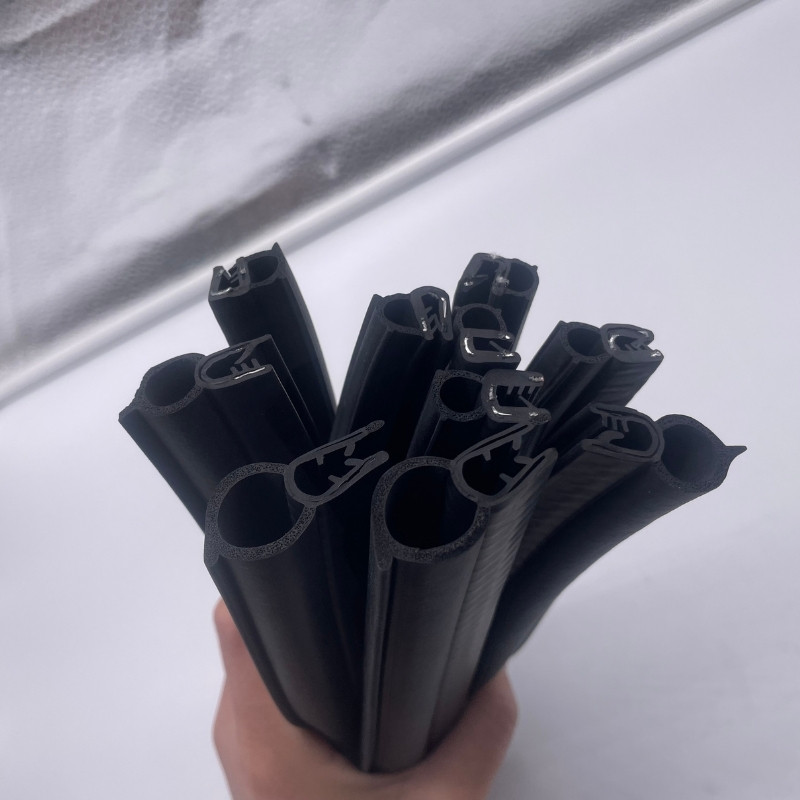
Bellows serve many purposes in mechanical and industrial systems. They protect joints, shafts, and rods from contaminants. In automotive applications, bellows cover steering and suspension parts. Industrial machines use bellows to shield moving components from dust and chemicals. They also appear in pumps, valves, and expansion joints.
Common uses for rubber bellows:
- Protecting moving parts
- Absorbing vibration
- Compensating for misalignment
- Sealing against environmental hazards
Bellows help extend the life of equipment by reducing wear and preventing damage from outside elements.
Custom-Engineered Seals
When to Use
Standard rubber seals may not fit every application. Custom-engineered seals are designed for unique requirements. These seals are used when standard shapes, sizes, or materials cannot provide the needed performance. Engineers choose custom solutions for challenging environments, unusual geometries, or strict industry standards.
Situations that call for custom-engineered seals:
- Extreme temperatures or pressures
- Exposure to aggressive chemicals
- Complex shapes or large sizes
- Special regulatory requirements
Always consult with a sealing expert when standard options do not meet your needs.
Benefits
Custom-engineered rubber seals offer several advantages. They provide a perfect fit for specialized equipment. These seals can improve system reliability and reduce the risk of leaks or failures. Custom designs allow for the use of advanced materials that match the application’s demands.
Benefits include:
- Enhanced performance and durability
- Optimized sealing for unique conditions
- Reduced maintenance and downtime
- Compliance with industry standards
Custom-engineered seals help solve complex sealing challenges. They ensure that critical systems operate safely and efficiently.
Applications of Rubber Seals
Automotive
Engine and Transmission
Rubber seals play a key role in automotive engines and transmissions. These components help keep oil, coolant, and other fluids inside the engine. They also prevent dirt and moisture from entering sensitive parts. O-rings and gaskets are common in these systems. Mechanics rely on seals to maintain proper fluid levels and protect moving parts. When a seal fails, leaks can cause damage and reduce performance. Regular inspection helps catch problems early.
A table below shows typical uses in automotive engines and transmissions:
| Component | Seal Type | Purpose |
|---|---|---|
| Oil Pan | Gasket | Prevent oil leaks |
| Cylinder Head | Gasket | Seal combustion chamber |
| Transmission Case | O-Ring | Keep fluid contained |
Always check for worn or damaged seals during routine maintenance.
Weatherstripping
Weatherstripping uses rubber seals to block water, dust, and wind from entering vehicles. These seals line doors, windows, and trunks. They help keep the interior dry and quiet. Weatherstripping also improves comfort by reducing noise and drafts. Over time, exposure to sunlight and temperature changes can cause seals to crack or lose flexibility. Replacing old weatherstripping restores protection and keeps vehicles in good condition.
Aerospace
Fuel and Hydraulic Systems
Aerospace systems depend on rubber seals to keep fuel and hydraulic fluids contained. These seals must withstand high pressure and extreme temperatures. Engineers use O-rings and custom gaskets in fuel lines, pumps, and actuators. Reliable sealing prevents leaks that could affect safety or performance. Materials are chosen for their resistance to chemicals and temperature changes.
Aerospace seals must meet strict standards for durability and reliability.
Environmental Sealing
Aircraft face harsh environments, including rapid temperature shifts and exposure to moisture. Rubber seals protect sensitive electronics and structural joints from these hazards. They keep water, dust, and other contaminants out of critical areas. Environmental seals help maintain the integrity of the aircraft and reduce maintenance needs.
Industrial Machinery
Pumps and Valves
Industrial pumps and valves use rubber seals to control the flow of liquids and gases. These seals prevent leaks and keep systems running smoothly. Gaskets and O-rings are common in these applications. Proper sealing reduces downtime and protects equipment from damage. Maintenance teams inspect seals regularly to ensure reliable operation.
Hydraulic and Pneumatic Systems
Hydraulic and pneumatic systems rely on rubber seals for pressure control. These seals help keep fluids and air contained within cylinders and hoses. They also prevent contamination from entering the system. Engineers select seals based on pressure, temperature, and chemical exposure. Good sealing improves efficiency and extends the life of machinery.
Choosing the right seal material is important for long-lasting performance.
Electronics
Environmental Seals
Rubber seals protect electronic devices from dust, moisture, and other environmental hazards. These seals help keep sensitive components safe. Many electronic products, such as smartphones, cameras, and outdoor sensors, use rubber gaskets or O-rings to block water and particles. This protection is important for devices that operate in harsh conditions or outdoors.
Manufacturers often choose rubber seals because they are flexible and durable. The elasticity of rubber allows the seal to fit tightly around openings and edges. This tight fit prevents water and dust from entering the device. Some seals are designed to meet specific standards for water resistance, such as IP ratings. These ratings show how well a device can resist water and dust.
Devices with high water resistance often use multiple rubber seals for extra protection.
Connectors and Enclosures
Connectors and enclosures in electronics also rely on rubber seals. These components join cables, wires, or circuit boards. A rubber seal helps keep the connection secure and free from contaminants. For example, connectors in outdoor lighting systems use rubber gaskets to block rain and dirt.
Enclosures, such as control panels and junction boxes, use rubber seals around doors and covers. This keeps the inside of the enclosure clean and dry. It also protects the electronics from corrosion and short circuits. Engineers select the right type of rubber seal based on the size and shape of the connector or enclosure.
A table below shows common uses of rubber seals in electronics:
| Application | Seal Type | Purpose |
|---|---|---|
| Device Housing | Gasket | Block dust and moisture |
| Cable Connector | O-Ring | Seal cable entry points |
| Control Panel Door | Strip Seal | Protect internal parts |
Medical Devices
Diagnostic Equipment
Rubber seals play a vital role in medical diagnostic equipment. These devices must stay clean and free from leaks. Seals prevent fluids, air, or contaminants from entering sensitive areas. For example, blood analyzers and imaging machines use rubber gaskets to keep their systems sealed.
The material used for these seals must be safe for medical use. It should not react with chemicals or fluids found in hospitals. Engineers often choose silicone or EPDM rubber for these applications because they are non-reactive and easy to clean.
Fluid Management
Fluid management systems in healthcare also depend on rubber seals. These systems move or store liquids, such as saline or medication. Rubber diaphragms and O-rings help control the flow and prevent leaks. Infusion pumps, dialysis machines, and IV systems all use rubber seals to ensure safety and accuracy.
Regular inspection of rubber seals in medical devices helps prevent failures and ensures patient safety.
Other Uses
Rubber seals appear in many other fields. They are used in food processing equipment to keep products clean and safe. Water treatment plants use them to prevent leaks in pipes and tanks. Even household appliances, such as washing machines and dishwashers, rely on rubber seals to block water and detergent.
In each case, the right seal improves performance and extends the life of the equipment. Choosing the correct material and design is important for every application.
Rubber Seal Material Selection
Choosing the right rubber material is essential for seal performance. Different materials offer unique properties that affect how well a seal works in specific environments. Understanding the options helps ensure reliable sealing and long service life.
Common Materials
Rubber seals come in several common materials. Each type has strengths and weaknesses. The right choice depends on the application and the conditions the seal will face.
Nitrile (NBR)
Nitrile, also known as NBR, is a popular choice for many sealing applications. It resists oils, fuels, and some chemicals. Nitrile seals work well in automotive, industrial, and hydraulic systems. They handle moderate temperatures and provide good mechanical strength. However, NBR does not perform well with ozone or sunlight exposure.
EPDM
EPDM rubber stands out for its resistance to weather, ozone, and aging. It handles hot water and steam, making it suitable for outdoor and plumbing uses. EPDM does not resist oils and fuels as well as other materials. This rubber is often used in automotive weatherstripping and water system seals.
Silicone
Silicone rubber offers excellent flexibility and a wide temperature range. It remains soft and elastic in both hot and cold conditions. Silicone seals are common in food processing, medical devices, and electronics. They resist many chemicals but may not handle high-pressure or abrasive environments as well as other rubbers.
Viton (FKM)
Viton, or FKM, is a high-performance rubber. It resists chemicals, oils, fuels, and high temperatures. Viton seals are used in aerospace, automotive, and chemical processing industries. They maintain their properties in harsh environments. However, Viton can be more expensive than other options.
Neoprene
Neoprene rubber provides good resistance to weather, ozone, and moderate chemicals. It is flexible and durable, making it useful for refrigeration, automotive, and marine applications. Neoprene does not perform as well with strong acids or oils.
Natural Rubber
Natural rubber is known for its high elasticity and mechanical strength. It works well in dynamic applications where flexibility is important. Natural rubber does not resist oils, fuels, or ozone. It is best for low-temperature and non-chemical environments.
Always match the rubber material to the specific needs of your application for the best seal performance.
Material Properties
The properties of rubber materials affect seal performance in different ways. Knowing these properties helps with effective material selection.
Chemical Resistance
Chemical resistance determines how well a seal can withstand exposure to fluids and gases. Some rubbers, like Viton, resist harsh chemicals and fuels. Others, such as natural rubber, may break down quickly when exposed to oils or solvents. Chemical compatibility is a key factor in material selection, especially in environments with aggressive fluids.
Temperature Range
Temperature range describes how well a rubber seal performs in hot or cold conditions. Silicone handles extreme temperatures, staying flexible in both freezing and high-heat situations. Nitrile and EPDM have more limited ranges. Choosing a material that matches the operating temperature ensures consistent performance and prevents seal failure.
Mechanical Strength
Mechanical strength includes properties like tensile strength, tear resistance, and flexibility. Seals in moving parts need high strength to avoid cracking or breaking. Natural rubber and NBR offer good mechanical properties for dynamic applications. Weak seals can lead to leaks and reduced performance.
Environmental Resistance
Environmental resistance covers how well a seal stands up to sunlight, ozone, weather, and aging. EPDM and neoprene excel in outdoor environments. Seals exposed to the elements need materials that resist degradation. Poor environmental resistance can shorten seal lifespan and reduce performance.
Environmental exposure, such as contact with cleaning agents or even household substances like vinegar, can affect seal performance and durability. Always consider the full range of possible exposures during material selection.
Selection Factors
Several factors influence material selection for rubber seals. Each factor plays a role in overall seal performance.
Application Needs
The application determines the demands placed on a seal. Pressure, movement, and the type of fluid or gas all affect which material works best. For example, seals in hydraulic systems need to handle oil and pressure. Medical devices may require materials that are safe for contact with the human body. Understanding the application helps guide material selection and ensures reliable performance.
Environmental Exposure
Seals often face harsh environments. Exposure to chemicals, temperature changes, sunlight, and moisture can impact seal performance. For instance, a seal exposed to vinegar or cleaning chemicals may degrade faster if the material is not compatible. Choosing a material with the right resistance properties helps maintain performance over time.
Attachment Systems
The way a seal attaches to equipment can influence material selection. Some seals need to be flexible for press-fit installation. Others may require adhesives or mechanical fasteners. The attachment method should match the material’s properties to ensure a secure and lasting seal.
Always review the full operating environment and attachment requirements before finalizing material selection. This step helps prevent premature seal failure and ensures optimal performance.
A table below summarizes the key properties of common rubber materials:
| Material | Oil Resistance | Chemical Resistance | Temp. Range (°F) | Weather Resistance | Typical Use |
|---|---|---|---|---|---|
| Nitrile (NBR) | Good | Moderate | -40 to 250 | Poor | Automotive, hydraulics |
| EPDM | Poor | Good | -60 to 300 | Excellent | Outdoor, plumbing |
| Silicone | Poor | Good | -80 to 450 | Good | Medical, electronics |
| Viton (FKM) | Excellent | Excellent | -15 to 400 | Good | Chemical, aerospace |
| Neoprene | Moderate | Moderate | -40 to 225 | Good | Marine, refrigeration |
| Natural Rubber | Poor | Poor | -60 to 175 | Poor | Dynamic, low-temp uses |
Selecting the right rubber material is critical for seal performance. Careful material selection ensures that seals last longer, resist damage, and keep systems running smoothly.
Design Considerations
Choosing the Right Seal
Selecting the correct seal is a key part of design considerations. The right choice depends on the type of fluid, pressure, and temperature in the system. Engineers look at the shape, size, and material of the seal. They also think about how often the seal will move and what kind of wear it might face. A good seal matches the needs of the equipment and the sealing environment. When in doubt, it helps to review the system’s requirements and consult with a sealing expert.
Always check the compatibility of the seal material with the fluids and temperatures in your application.
Cross-Section Design
The cross-section of a seal affects how well it works. This part of design considerations helps ensure a tight fit and long-lasting performance.
Standard vs. Custom
Standard cross-sections, like O-rings or flat gaskets, fit many common uses. They are easy to find and often cost less. Custom cross-sections are made for special shapes or unique equipment. These designs can solve problems that standard seals cannot. Custom seals may be needed for complex machinery or when space is limited.
A table below compares standard and custom cross-sections:
| Type | Advantages | When to Use |
|---|---|---|
| Standard | Low cost, quick to get | Common shapes, simple needs |
| Custom | Exact fit, special uses | Unique shapes, tight spaces |
Sizing and Tolerances
Correct sizing is important for a good seal. If a seal is too large or too small, it may leak or wear out quickly. Tolerances are the small differences allowed in the size of the seal and the parts it fits. Engineers measure these carefully to make sure the seal works well. Always follow the manufacturer’s guidelines for sizing and tolerances.
Attachment Methods
How a seal attaches to equipment can affect its performance and lifespan. There are different ways to hold a seal in place.
Press-Fit
Press-fit seals are pushed into a groove or opening. The rubber’s flexibility helps it stay in place. This method works well for O-rings and some gaskets. Press-fit is simple and does not need extra tools or glue.
Adhesive and Mechanical
Some seals need adhesives or mechanical fasteners. Adhesives can bond the seal to metal or plastic surfaces. Mechanical methods use clips, screws, or flanges to hold the seal. These methods are used when the seal must stay in place under high pressure or movement.
Always choose an attachment method that matches the seal material and the demands of the system.
Environmental Factors
Rubber seals must perform well in many environments. Engineers consider several environmental factors when designing and selecting seals. These factors affect how long a seal lasts and how well it works.
Chemical and Fluid Exposure
Many rubber seals come into contact with chemicals, oils, or cleaning agents. Some chemicals can cause rubber to swell, crack, or lose strength. For example, exposure to strong acids or solvents may damage certain materials. Seals used in food processing, laboratories, or industrial plants often face harsh fluids.
To choose the right seal, check the chemical compatibility of the rubber material. Some rubbers, like FKM, resist fuels and aggressive chemicals. Others, such as natural rubber, may break down quickly. Always review the types of fluids the seal will touch. This step helps prevent leaks and early failure.
Use a chemical compatibility chart to match the seal material with the fluids in your system.
Temperature and Pressure
Temperature and pressure changes can affect rubber seals. High temperatures may cause some materials to soften or lose shape. Low temperatures can make rubber hard and brittle. Each rubber type has a temperature range where it works best. For example, silicone stays flexible in both hot and cold conditions.
Pressure also matters. Seals in high-pressure systems must resist being pushed out of place. If the pressure is too great, the seal may deform or leak. Engineers select materials and designs that match the expected temperature and pressure.
A table below shows how common rubber materials handle temperature and pressure:
| Material | Temp. Range (°F) | Pressure Suitability |
|---|---|---|
| NBR | -40 to 250 | Moderate |
| EPDM | -60 to 300 | Moderate |
| Silicone | -80 to 450 | Low to Moderate |
| FKM | -15 to 400 | High |
Always check both the highest and lowest temperatures your seal will face.
Dynamic vs. Static
Rubber seals work in both moving (dynamic) and non-moving (static) situations. Dynamic seals must handle friction and movement. These seals appear in pumps, engines, and rotating shafts. They need materials with good wear resistance and flexibility.
Static seals stay in one place. They seal joints, flanges, or covers. These seals do not move, so they face less wear. However, they must still resist temperature changes and chemical attack.
- Dynamic seals: Need high strength and low friction.
- Static seals: Focus on compression and chemical resistance.
Choosing the right type for your application helps prevent leaks and extends the life of your equipment.
Always tell your supplier if your seal will move or stay still. This information helps them recommend the best material and design.
Installation and Maintenance
Preparation
Inspection and Cleaning
Proper preparation helps ensure reliable performance. Begin by inspecting the rubber seal for any visible damage, such as cracks, tears, or deformation. Use a magnifying glass if needed to spot small imperfections. Clean the seal with a lint-free cloth and mild soap. Avoid harsh chemicals that can degrade rubber. Remove all dust, debris, and old lubricant. A clean surface allows the seal to fit tightly and prevents fluid or gas leaks.
Always check the groove or mating surface for dirt or corrosion before installing the seal.
Lubrication
Lubrication reduces friction and helps the seal slide into place. Choose a lubricant that matches the rubber material and the system’s requirements. For example, use silicone grease for SILICONE seals and mineral oil for NBR seals. Apply a thin, even layer to the seal and the mating surface. Too much lubricant can cause the seal to slip out of position. Proper lubrication extends the life of the seal and improves sealing performance.
Installation Tips
Common Mistakes
Many installation errors can lead to leaks or premature failure. Avoid stretching the seal excessively, as this can cause permanent deformation. Do not use sharp tools that might cut or nick the rubber. Make sure the seal is aligned correctly in its groove. If the seal is twisted or pinched, it will not function as intended. Rushing the installation process often results in mistakes.
- Stretching the seal too much
- Using sharp tools
- Misalignment in the groove
- Twisting or pinching
Take your time and follow the manufacturer’s instructions for best results.
Tools Needed
The right tools make installation easier and safer. Use plastic or wooden tools to avoid damaging the rubber. A soft brush helps with cleaning. Lubricant applicators ensure even coverage. For larger seals, a seal installation tool can help position the seal without stretching it. Always keep a clean workspace to prevent contamination.
| Tool | Purpose |
|---|---|
| Plastic Spatula | Positioning the seal |
| Soft Brush | Cleaning surfaces |
| Lubricant Applicator | Applying lubricant |
| Magnifying Glass | Inspecting for damage |
Troubleshooting
Leaks and Failures
If a leak occurs after installation, inspect the seal and the mating surfaces. Look for signs of wear, improper fit, or contamination. Sometimes, a seal may have been installed upside down or in the wrong orientation. Replace damaged seals immediately to prevent further fluid or gas leaks. Regular checks help catch problems early.
Causes of Wear
Several factors contribute to seal wear. High temperatures, chemical exposure, and excessive movement can degrade rubber over time. Abrasive particles or improper lubrication also cause damage. Monitor the system for vibration or misalignment, as these can accelerate wear. Addressing these issues helps extend the life of the seal and maintain system integrity.
Routine maintenance and careful installation are key to preventing leaks and failures.
Maintenance
Inspection Schedules
Regular inspection helps keep rubber seals in good condition. Most systems benefit from a set inspection schedule. For example, seals in automotive engines should be checked during every oil change. Industrial equipment may require monthly or quarterly inspections. The frequency depends on the environment, the type of seal, and how often the equipment runs.
A simple inspection checklist includes:
- Look for cracks, tears, or hard spots.
- Check for swelling or changes in shape.
- Inspect for leaks or residue around the seal.
- Listen for unusual noises that may signal seal failure.
Create a maintenance log to track inspection dates and findings. This record helps spot patterns and plan replacements before problems occur.
Cleaning and Storage
Clean rubber seals last longer and work better. Use mild soap and water to remove dirt and debris. Avoid harsh chemicals, as they can damage the rubber material. Dry the seal completely before putting it back in place. For seals that are not in use, proper storage is important.
Follow these steps for safe storage:
- Store seals in a cool, dry place away from sunlight.
- Keep them in airtight bags or containers to block moisture and dust.
- Avoid stacking heavy objects on top of seals to prevent deformation.
- Label containers with the type and size of each seal for easy identification.
A table below summarizes best practices for cleaning and storage:
| Task | Best Practice |
|---|---|
| Cleaning | Mild soap, water, soft cloth |
| Drying | Air dry completely |
| Storage | Cool, dry, dark, airtight container |
| Handling | Avoid stretching or folding |
Proper cleaning and storage help extend the lifespan of rubber seals and reduce the risk of early failure.
Replacement Timing
Knowing when to replace a rubber seal is key to preventing leaks and equipment damage. Replace seals if you see visible cracks, tears, or hardening. Swelling or loss of flexibility also signals the need for a new seal. In high-use systems, follow the manufacturer’s recommended replacement intervals, even if the seal looks fine.
Common signs that a seal needs replacement:
- Persistent leaks after installation
- Noticeable wear or flattening
- Changes in color or texture
Never ignore signs of seal failure. Early replacement saves time and money by avoiding bigger repairs.
Regular maintenance, careful cleaning, and timely replacement keep rubber seals working well. These steps help protect equipment and ensure reliable performance in any application.
Conclusion
Rubber seals protect equipment and keep systems running safely. They come in many types and materials. Good design and regular maintenance help prevent leaks and failures. Use these tips for better seal selection and care:
- Match the seal to your application.
- Inspect and replace seals as needed.
- Ask an expert for custom solutions.
Remember: Careful planning leads to longer-lasting seals.
FAQ
What are rubber seals used for?
Rubber seals block fluids, gases, and particles. They protect equipment from leaks and contamination. Many industries use them in engines, pumps, and electronic devices.
How do I choose the right rubber seal material?
Check the environment and application. Look for chemical resistance, temperature range, and mechanical strength. Match the material to the system’s needs for best performance.
Can rubber seals handle extreme temperatures?
Some rubber seals, like those made from silicone or FKM, withstand high and low temperatures. Always review the material’s temperature range before use.
How often should rubber seals be replaced?
Inspect rubber seals regularly. Replace them if you see cracks, swelling, or leaks. Follow the manufacturer’s guidelines for replacement intervals.
What causes rubber seals to fail?
Common causes include improper installation, chemical exposure, high temperatures, and mechanical wear. Regular maintenance helps prevent early failure.
Are rubber seals safe for food and medical applications?
Certain rubber materials, such as silicone and EPDM, are safe for food and medical devices. Always check for compliance with safety standards.
How can I extend the life of rubber seals?
Clean seals before installation. Use proper lubrication. Store them in cool, dry places. Inspect and replace seals as needed to prevent leaks.
Do rubber seals work in dynamic applications?
Yes, many rubber seals are designed for moving parts. Choose materials with good wear resistance and flexibility for dynamic systems.


Leave a Reply
Want to join the discussion?Feel free to contribute!