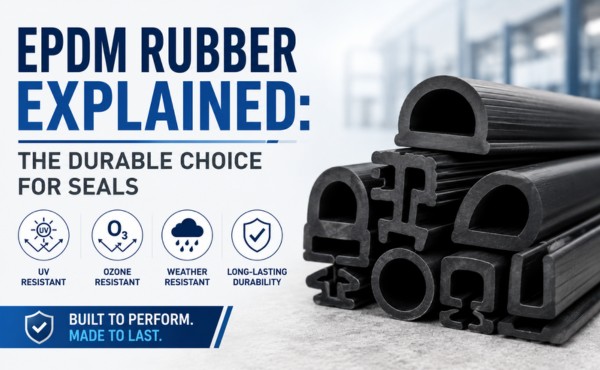
EPDM Rubber Explained: The Durable Choice for Seals
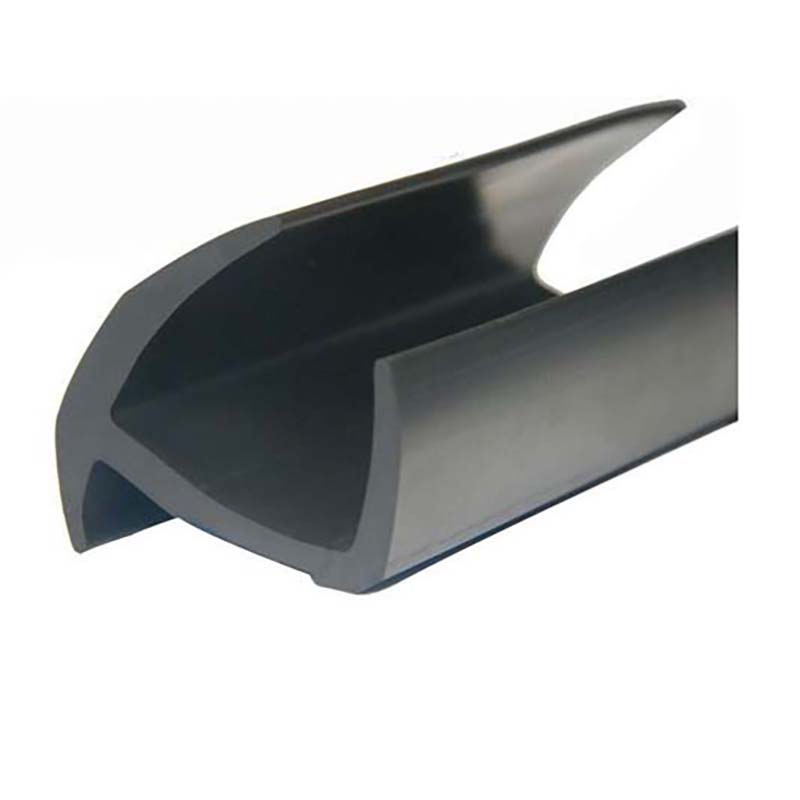
EPDM rubber remains one of the most widely used materials for seals and gaskets because of its outstanding resistance to UV rays, ozone, weathering, and temperature extremes. Its flexibility, durability, and long service life make it a dependable choice for automotive, construction, industrial, and aerospace applications.
Compared with materials such as Neoprene, Nitrile, and Silicone, EPDM offers excellent performance in outdoor and weather-exposed environments. By understanding its properties, benefits, and common applications, engineers can select the right EPDM seal to improve reliability, reduce maintenance needs, and achieve long-lasting sealing performance.
What is EPDM Rubber
EPDM Composition and Structure
EPDM stands for ethylene propylene diene monomer. This synthetic rubber uses three main ingredients: ethylene, propylene, and a diene component. The combination of these materials gives EPDM its unique structure.
The diene part allows the rubber to form cross-links, which improve flexibility and durability. EPDM rubber has a saturated backbone, which means it resists damage from sunlight, ozone, and weather. This structure makes EPDM a popular choice for seals that need to last for many years.
How EPDM Rubber Is Manufactured
Manufacturers create EPDM using a process called polymerization. They mix ethylene, propylene, and diene in special reactors. The process forms long chains of molecules, which give the rubber its strength and flexibility.
After polymerization, the material goes through mixing and shaping. Factories use molds or extrusion machines to form EPDM into sheets, strips, or custom shapes. The final step is vulcanization, where heat and chemicals help the rubber keep its shape and improve its properties. This careful process ensures that EPDM meets strict quality standards.
Grades and Hardness Options
EPDM comes in many grades and hardness levels. Each grade suits different uses. Some grades offer extra resistance to chemicals or extreme temperatures. Others provide more flexibility or strength. Hardness, measured by the Shore A scale, ranges from soft to firm. For example:
| Hardness (Shore A) | Typical Use Cases |
|---|---|
| 40-50 | Flexible seals, gaskets |
| 60-70 | Automotive weatherstrips |
| 80+ | Industrial applications |
Key Properties of EPDM Rubber
UV and Ozone Resistance
EPDM shows remarkable resistance to ultraviolet light and ozone. This property protects seals from cracking and fading. Many industries rely on EPDM seals because they maintain their shape and strength under sunlight.
Ozone resistance prevents the rubber from breaking down in outdoor environments. EPDM rubber stands out for its ability to handle harsh conditions. The combination of UV and weathering resistance makes EPDM ideal for long-term applications. Engineers often select EPDM seals for outdoor projects due to their durability.
Weathering and Aging Performance
EPDM performs well against weathering and aging. The rubber resists rain, snow, and temperature changes. Seals made from EPDM do not lose their flexibility or durability over time. Many users notice that EPDM seals keep their performance even after years of exposure.
The material does not become brittle or weak. EPDM rubber offers a service life of up to 30 years. This long-lasting performance reduces the need for frequent replacements. Weathering resistance helps EPDM seals protect buildings, vehicles, and machines.
| Property | EPDM Seals Benefit |
|---|---|
| Weathering Resistance | Maintains seal quality |
| Aging Resistance | Extends service life |
| UV and Ozone Resistance | Prevents cracking |
Flexibility and Temperature Range
EPDM provides excellent flexibility and durability. The rubber bends and stretches without tearing. EPDM seals work in both hot and cold environments. The material stays flexible at temperatures as low as -40°F and as high as 250°F.
This wide temperature range allows EPDM seals to perform in many climates. Flexibility helps the seals fit tightly and prevent leaks. EPDM rubber adapts to movement and vibration. Many industries use EPDM seals for doors, windows, and machinery because of their flexibility and durability.
- EPDM seals remain flexible in freezing conditions.
- The rubber does not melt or deform in high heat.
- Flexibility improves the performance of seals in dynamic applications.
Chemical Resistance
EPDM rubber offers strong chemical resistance. The material resists acids, alkalis, and many solvents. EPDM seals protect against damage from cleaning agents and industrial fluids. Chemical resistance ensures the seals do not swell or break down.
EPDM rubber stands up to oils and greases in automotive and industrial settings. Many engineers choose EPDM seals for environments with harsh chemicals. The rubber maintains its performance even when exposed to aggressive substances. Chemical resistance makes EPDM a reliable choice for seals in laboratories, factories, and outdoor installations.
EPDM rubber combines ozone resistance, UV and weathering resistance, flexibility and durability, and chemical resistance to deliver outstanding performance. These properties make EPDM seals the preferred option for many demanding applications.
Benefits of EPDM Rubber Seals
Longevity and Cost Savings
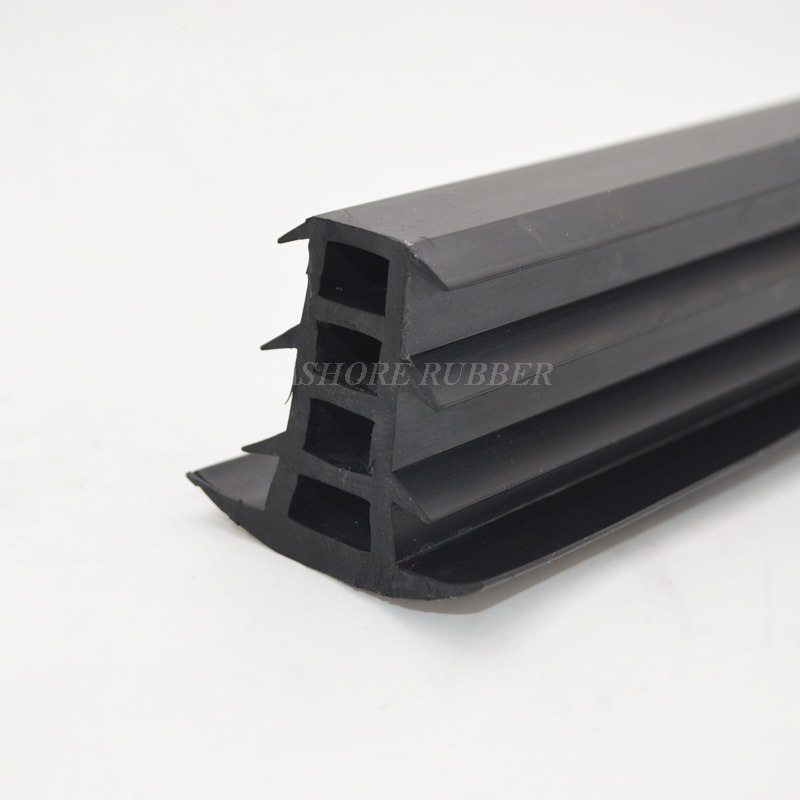
EPDM seals deliver outstanding longevity. Many users report a long lifespan of 20 to 30 years for these products. This extended service life means fewer replacements and less downtime for equipment. EPDM rubber maintains its flexibility and resistance to weathering, even after years of exposure to sunlight, ozone, and harsh environments. The durability of EPDM seals reduces the need for frequent repairs or replacements. This quality leads to significant cost-effectiveness over time.
Facility managers and engineers often choose EPDM seals for their ability to withstand demanding conditions. The rubber resists cracking, shrinking, and hardening, which helps preserve the integrity of gaskets and seals. By investing in EPDM, companies save money on maintenance and replacement parts. The long lifespan of EPDM rubber also supports sustainability by reducing waste and resource consumption.
Versatility in Applications
EPDM seals show remarkable versatility across many industries. These products perform well in automotive, construction, industrial, and aerospace settings. The rubber adapts to a wide range of temperatures and resists chemicals, making it suitable for both indoor and outdoor applications. EPDM gaskets protect against water, dust, and air leaks in doors, windows, and machinery.
Aerospace engineers rely on EPDM for its resistance to extreme temperatures and its ability to maintain a tight seal under pressure. In construction, EPDM gaskets prevent moisture intrusion and improve energy efficiency. Industrial plants use EPDM seals to protect equipment from harsh chemicals and environmental factors. The versatility of EPDM rubber allows it to meet the unique needs of each application.
| Industry | Common EPDM Applications |
|---|---|
| Automotive | Weatherstrips, door gaskets |
| Construction | Window seals, roofing gaskets |
| Aerospace | Cabin pressure seals, insulation |
| Industrial | Pipe gaskets, machinery seals |
Low Maintenance
EPDM seals require minimal maintenance throughout their service life. The rubber resists dirt, mold, and mildew, which helps keep gaskets clean and functional. EPDM’s resistance to UV rays, ozone, and chemicals means that seals do not degrade quickly, even in challenging environments. Maintenance teams spend less time inspecting and replacing EPDM gaskets compared to other materials.
Aerospace and industrial sectors value the low maintenance needs of EPDM seals. These industries demand reliable performance with minimal intervention. EPDM rubber supports sustainability by reducing the frequency of replacements and lowering the environmental impact of maintenance activities. The long lifespan and durability of EPDM seals contribute to both cost savings and
EPDM vs. Other Seal Materials
EPDM vs. Neoprene
EPDM and Neoprene both serve as popular choices for seals. EPDM rubber offers excellent resistance to UV, ozone, and weathering. Neoprene provides good resistance to oil and moderate weathering. EPDM stands out in outdoor environments because it resists sunlight and ozone better than Neoprene. Neoprene works well in applications where oil resistance is more important than weather resistance. Many industries select EPDM for long-term outdoor use, while Neoprene fits indoor or oil-exposed settings.
| Property | EPDM | Neoprene |
|---|---|---|
| UV Resistance | Excellent | Moderate |
| Ozone Resistance | Excellent | Good |
| Oil Resistance | Poor | Good |
| Weathering | Excellent | Good |
EPDM vs. Nitrile
Nitrile rubber excels in oil and fuel resistance. EPDM, on the other hand, provides superior resistance to weathering, ozone, and aging. Nitrile seals often appear in automotive and industrial systems that handle oils. EPDM seals perform better in outdoor and water-based environments. When a project requires resistance to oils, Nitrile is the better choice. For applications exposed to sunlight, water, or harsh weather, EPDM offers longer service life.
EPDM vs. Silicone
Silicone rubber handles extreme temperatures and remains flexible in both hot and cold conditions. EPDM also performs well across a wide temperature range but offers better resistance to UV and ozone. Silicone seals resist many chemicals and do not become brittle in cold weather. EPDM seals provide greater durability in outdoor environments. Silicone costs more than EPDM, so many choose EPDM for cost-effective, long-lasting seals in outdoor or industrial settings.
Choosing the Right Material
Selecting the right material depends on the environment and the type of exposure. EPDM works best for seals that face sunlight, ozone, and changing weather. Neoprene fits applications with moderate weathering and oil contact. Nitrile suits systems exposed to oils and fuels. Silicone serves well in extreme temperatures and chemical-rich environments. Each rubber type has strengths, but EPDM stands out for its resistance to weathering and long-term durability.
- EPDM rubber remains the top choice for outdoor and general-purpose seals.
- Neoprene and Nitrile offer specialized resistance for oil and fuel systems.
- Silicone excels in high-temperature and chemical applications.
EPDM Seal Applications and Selection
Common Uses (Automotive, Construction, Industrial)
EPDM seals serve a wide range of applications. Automotive applications rely on EPDM for door and window weatherstrip seals, engine gaskets, and hoses. Construction projects use EPDM seals for roofing, window gaskets, and waterproofing.
Industrial settings depend on EPDM for pipe gaskets, machinery seals, and insulation. The common applications of EPDM include environments where resistance to weather, chemicals, and aging is essential. Aerospace applications also benefit from EPDM seals, especially in cabin insulation and pressure gaskets.
| Sector | Typical Applications |
|---|---|
| Automotive | Door and window weatherstrip seals, engine gaskets, hoses |
| Construction | Roofing gaskets, window seals, waterproofing |
| Industrial | Pipe gaskets, machinery seals, insulation |
| Aerospace | Cabin insulation, pressure gaskets |
Selecting the Right EPDM Seal
Choosing the correct EPDM seals depends on the specific applications. Engineers consider factors such as temperature range, chemical exposure, and mechanical stress. They select the grade and hardness of EPDM rubber to match the demands of each environment.
For outdoor applications, seals with high resistance to UV and ozone perform best. Indoor applications may require softer gaskets for flexibility. The selection process ensures that EPDM seals deliver reliable performance and long service life.
Tip: Always match the EPDM seal’s grade and hardness to the application’s requirements for optimal durability.
Installation and Care
Proper installation and care extend the lifespan of EPDM seals. Technicians clean surfaces before fitting gaskets to prevent leaks. They avoid stretching or twisting the rubber during installation. Regular inspections help detect wear or damage early. Maintenance teams replace seals when they show signs of aging or loss of resistance. EPDM seals require minimal upkeep because of their durability and resistance to weather and chemicals.
- Clean surfaces before installing EPDM gaskets.
- Inspect seals regularly for signs of wear.
- Replace seals if they lose flexibility or resistance.
FAQ
What makes EPDM seals different from other rubber seals?
EPDM seals resist sunlight, ozone, and weathering better than many other rubbers. This material keeps its flexibility and strength for many years, even outdoors.
Can EPDM rubber handle extreme temperatures?
Yes. EPDM rubber stays flexible in cold as low as -40°F and remains stable in heat up to 250°F. This wide range makes it useful in many climates.
Is EPDM safe for drinking water applications?
Many EPDM products meet safety standards for drinking water. Always check if the specific EPDM seal has the right certification before use in water systems.
How long do EPDM seals usually last?
Most EPDM seals last between 20 and 30 years. Their long service life reduces the need for frequent replacements and lowers maintenance costs.
Does EPDM resist chemicals?
EPDM resists many acids, alkalis, and some solvents. It does not perform well with oils or fuels, so another material may work better in those cases.


Leave a Reply
Want to join the discussion?Feel free to contribute!