
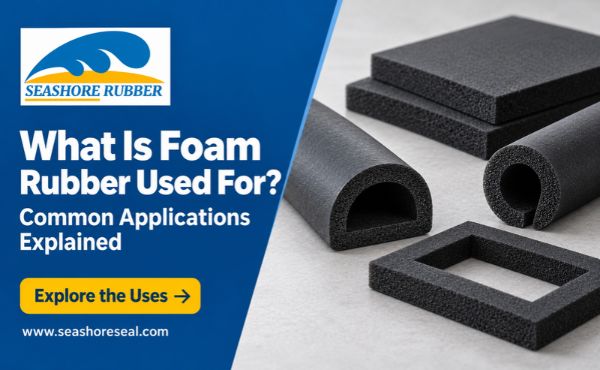
What Is Foam Rubber Used For? Common Applications Explained
Foam rubber serves several everyday purposes. Its most common applications include cushioning, upholstery, packaging, insulation, automotive parts, and sports equipment.
These uses rest on a simple set of properties. The material is lightweight, flexible, and resilient. It insulates well against heat, sound, and vibration. It also absorbs shocks and returns to shape after compression.
The applications of foam rubber reward these traits in different ways. A sofa seat, a shipping crate, and a running shoe each rely on the same excellent cushioning and shock absorption properties. The sections below examine cushioning, insulation, and packaging applications alongside automotive, industrial, and specialty uses, with concrete product examples for each category.
Cushioning and Upholstery
Furniture and Bedding
Resilience and flexibility make foam rubber a natural fit for furniture. Upholstery foam fills sofas, chairs, and throw cushions, where it compresses under weight and springs back once the load lifts. This recovery keeps seat cushions from flattening over time. Foam upholstery also shapes armrests and back panels, giving seating a soft surface with structural support underneath.
Bedding relies on the same traits. Mattresses, pillows, and furniture cushions use foam for cushioning that adapts to body contours. Memory foam, a viscoelastic variant, responds to heat and pressure by softening at contact points. Foam rubber grades for mattresses, cushions, and padding vary in density to tune firmness. These cushioning applications show how one material family serves both rest and daily seating.
Footwear and Apparel
Footwear uses foam rubber in soling and midsole layers. The material absorbs impact with each step and returns energy to the stride. Shoe collars and tongue padding add comfort around the ankle and instep. Apparel padding follows the same logic, with foam inserts softening shoulder straps, backpack panels, and protective liners.
Moderate-support uses extend beyond worn goods. Carpet underlayment is a familiar example. A foam layer beneath carpet adds cushioning underfoot and dampens footfall noise. Foam for cushioning in this role stays hidden, yet it shapes how a floor feels and sounds. Foam for cushions in outdoor furniture rounds out the list, since closed-cell grades resist moisture. Together these products show foam rubber at work wherever softness and recovery matter.
Packaging and Protection
Shipping goods face drops, vibration, and compression during transit. Foam rubber absorbs these forces and spreads impact across a wider area. This shock absorption explains why packaging applications rely on the material for fragile and high-value items. The sections below cover shipping cushioning and case liners, two common packaging applications that protect products from the warehouse to the doorstep.
Shipping Cushioning
Shipping cushioning uses foam rubber to hold a product away from the carton walls. Foam corner blocks, end caps, and foam-in-place pads cradle the item and absorb energy on impact. The material compresses under a sudden load and recovers its shape, so the protection lasts through repeated handling. Density and thickness are matched to product weight, which keeps protective packaging effective without adding excess bulk.
Foam also dampens vibration during transport. Trucks and conveyors transmit constant low-level shaking, and a foam layer isolates the product from that motion. This makes packaging applications for electronics, glassware, and instruments more reliable. Lighter foam grades suit small parcels, while denser grades serve heavier industrial shipments.
Case Liners and Inserts
Case liners and inserts use foam to create fitted cavities for tools, cameras, medical kits, and electronic equipment. A die-cut foam insert holds each item in a fixed position and prevents contact between neighboring parts. The foam surface also resists scuffs and scratches, which protects finished surfaces during storage and travel.
These packaging applications extend to reusable cases. Foam liners keep contents organized across many trips, and the material withstands repeated compression without losing its shape. Closed-cell grades add moisture resistance for outdoor and marine cases. Foam rubber thus serves both one-way shipping and long-term equipment protection.
Insulation and Sealing
Foam rubber blocks heat, sound, and air movement in many settings. These traits support a wide range of insulation and sealing applications. The subsections below cover thermal and acoustic barriers and the seals that keep gaps closed.
Thermal and Acoustic Insulation
Foam rubber traps air inside a network of small cells. Still air conducts heat poorly, so the trapped pockets slow heat transfer through walls, ducts, and equipment housings. This structure supports thermal and acoustic insulation applications in buildings, appliances, and vehicles. A foam layer also absorbs sound energy and reduces echo and vibration noise. Pipe wrap, duct lining, and equipment enclosures all use the material for this dual role.
The insulation value depends on cell structure and thickness. Closed-cell grades resist moisture and hold their insulating performance in damp conditions. Open-cell grades absorb sound well and suit interior acoustic panels. Installers match the grade to the space, since a thin sheet and a thick block serve different needs. Foam insulation stays flexible after installation, which helps it fit curved pipes and irregular surfaces.
Gaskets and Weatherstripping
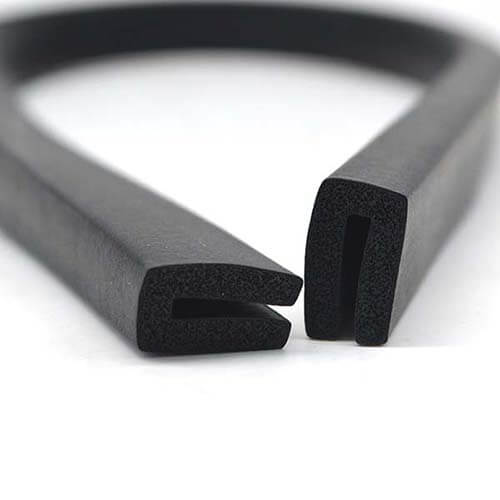
Gaskets and weatherstripping use foam rubber to close gaps between mating surfaces. The material compresses under pressure and springs back, so the seal stays tight through repeated opening and closing. Weatherstripping around doors and windows blocks drafts, moisture, and dust. Gaskets in enclosures and equipment cabinets keep out air, water, and contaminants.
Common products in this group include seat cushions, gaskets, and weatherstripping for vehicles, appliances, and buildings. Closed-cell foam suits outdoor seals because it resists water absorption. Open-cell foam works well for indoor gaskets that need softness and conformability. Adhesive-backed strips make installation simple on frames and panels. These sealing applications show how foam rubber combines flexibility with a reliable, reusable seal.

Automotive and Industrial
Vehicles and machines both need materials that absorb shock and hold their shape. Foam rubber meets that need across many automotive components and industrial assemblies. The subsections below cover interior trim and vibration control.
Seating and Interior Trim
Automotive seating depends on foam for structure and comfort. Car upholstery foam forms the seat cushion and backrest, where it supports the occupant and recovers after every trip. Automotive upholstery foam also fills headrests, armrests, and door panels. These parts combine softness with enough firmness for comfortable seating on long drives. Auto upholstery foam grades vary in density to tune support across a vehicle line.
Interior trim uses the same material in headliners, pillar covers, and console padding. Upholstery foam lines these surfaces to soften contact points and reduce rattles. The material also dampens sound inside the cabin, which supports a quieter ride. Upholstery foam thus serves both touch and acoustics in the interior.
Vibration and Noise Damping
Industrial machinery generates constant vibration. Foam rubber pads and mounts sit between a machine and its base, where they absorb motion and limit transmission to the floor. Appliance vibration isolators follow the same principle. A washing machine or compressor rests on foam mounts that soak up shaking during operation. These applications protect nearby structures and reduce noise.
Small-scale sealing offers another example. Mobile device hood gaskets use thin foam to close gaps around camera modules and speaker openings. The foam compresses into the gap and blocks dust and moisture. This shows how foam rubber scales from heavy machinery down to handheld electronics. Insulation and cushioning roles overlap here, since one foam layer can damp vibration and seal a joint at once.
Sports, Recreation, and Specialty
Protective Gear and Mats
Athletic gear relies on sponge rubber wherever impact needs softening. Helmet liners, shoulder pads, shin guards, and chest protectors use the material to spread force across a wider area. The foam compresses at the point of contact and recovers quickly, ready for the next hit. This recovery matters in repeated-impact sports, where a pad must hold its shape through an entire season.
Mats form another large group. Gymnastics mats, yoga mats, wrestling mats, and playground surfacing all use sponge rubber for fall protection and comfort underfoot. Closed-cell grades resist sweat and moisture, which suits gym floors and outdoor play areas. Interlocking tiles made from sponge rubber cushion falls around climbing frames and swing sets. These products show the material at work wherever bodies meet hard ground.
Sponge Rubber and Specialty Uses
Sponge rubber appears in many smaller products that rarely draw attention. Weather seals, grip tapes, and handle wraps use thin sponge rubber sheets for a firm, non-slip surface. Craft and costume makers cut sponge rubber into shapes for props and model parts. The material holds fine detail well and accepts adhesives, paints, and coatings.
Specialty applications extend into marine and household goods. Sponge rubber strips seal hatches and storage bins against splash and spray. Cleaning sponges and mop heads use an open-cell grade that holds water and releases it under pressure. Buoyancy aids and flotation inserts take advantage of the trapped air inside closed cells. Each of these applications matches a specific cell structure to a specific job, which explains why sponge rubber covers such a wide range of everyday products.
Conclusion
The applications of foam rubber fall into five broad groups. Cushioning and upholstery cover furniture, bedding, footwear, and carpet underlayment. Packaging uses the material for shipping cushioning and case inserts. Insulation and sealing rely on trapped air for thermal and acoustic control. Automotive and industrial uses include seating, trim, and vibration damping. Sports and specialty products range from protective gear to cleaning sponges.
Flexibility, resilience, light weight, and insulating ability explain this range. Each property answers a different demand, and most products draw on several at once. The material fits each use because its traits match the job.
FAQ
What makes foam rubber useful across so many products?
Its cell structure traps air, and the material stays flexible and resilient. Those traits support cushioning, sealing, and insulation at the same time. Most products draw on several of these properties at once, which explains the wide range of uses.
Can one grade of foam rubber serve every application?
No. Density and cell structure are matched to the job. Closed-cell grades resist moisture for outdoor seals and marine cases. Open-cell grades absorb sound and hold water. Denser grades carry heavier loads in seating and shipping protection.
How does foam rubber protect shipped goods?
It absorbs impact and spreads force across a wider area. Corner blocks and die-cut inserts hold items away from carton walls. The material recovers after compression, so protection lasts through repeated handling and reuse.
Where does foam rubber appear in vehicles?
Automotive uses include seat cushions, backrests, headrests, and door panels. Trim pieces such as headliners and console padding soften contact points and reduce rattles. Foam mounts also damp vibration from machinery and appliances.
Is foam rubber the same as sponge rubber?
The terms overlap in everyday use. Sponge rubber describes the cellular structure, with trapped air inside small pockets. Products like weather seals, grip tapes, and cleaning sponges use this form. The cell structure is chosen to fit each task.


Leave a Reply
Want to join the discussion?Feel free to contribute!